66ft Drain Cleaning Cable: Safe Setup & Clearing Tips
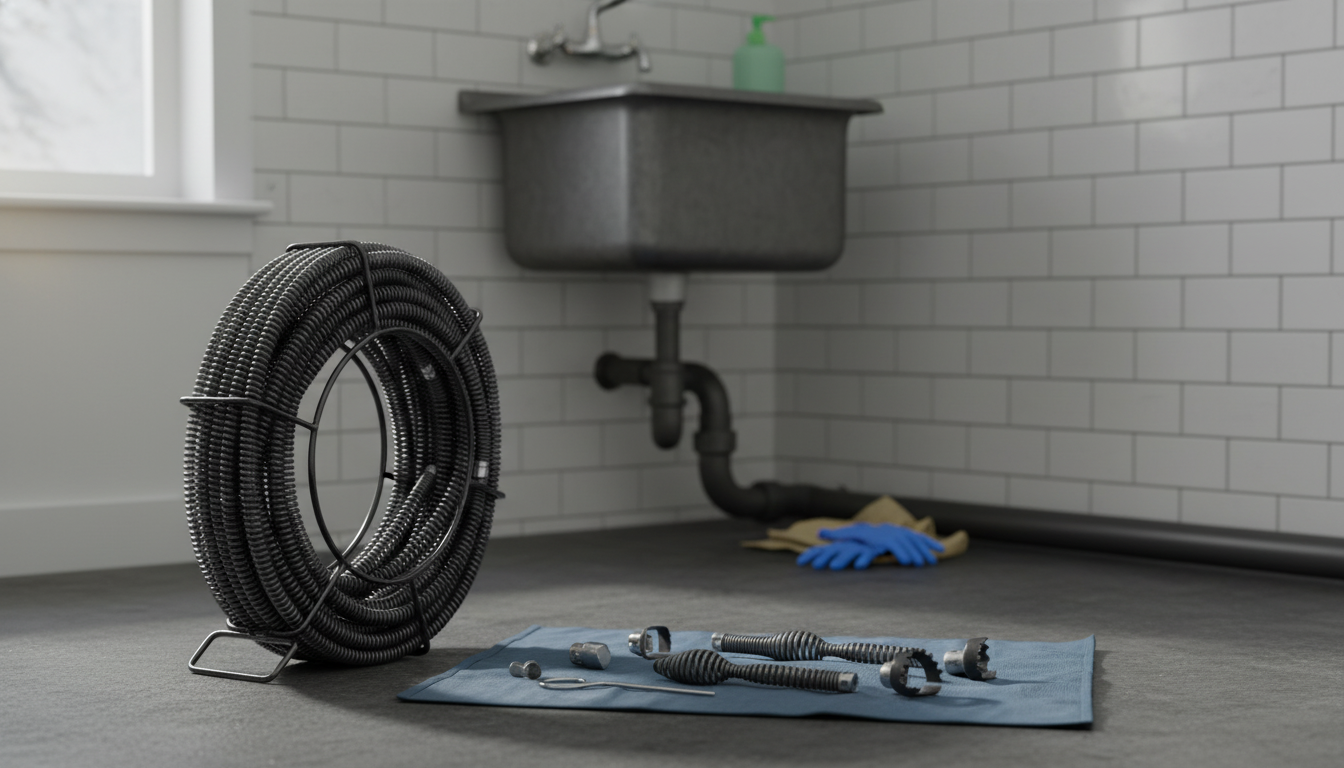
66ft Drain Cleaning Cable for Stubborn Clogs: Uses, Setup, and Safe Operation
A long drain cleaning cable helps break through blockages deeper in the line where plungers and short snakes can’t reach. A 66ft cable is a practical step up when a clog is past the trap, beyond a tight cluster of bends, or simply farther down the branch line than a typical 15–25ft hand auger can reach. Used correctly, it can restore flow without opening walls or pulling large sections of pipe. Used carelessly, it can kink, bind up, or stress fragile plumbing.
Below are the best-use scenarios for a 66ft cable, where to run it (and where not to), how to set up the work area, and what to do when the cable stalls or comes back coated in debris.
What a 66ft drain cleaning cable is best for
- Reaching clogs beyond typical 15–25ft hand augers, especially in longer branch lines.
- Clearing soft blockages like hair, soap buildup, grease accumulation, and light root intrusion (depending on the tip/cutter used).
- Restoring flow in sinks, tubs, showers, and some floor drains where access is practical.
- Helping diagnose “recurring clogs” by confirming whether the blockage is deep, shifting, or re-forming.
As a rule of thumb, a long cable shines when the problem isn’t at the fixture itself. If the clog returns quickly after plunging, or if slow drainage affects the same fixture repeatedly, deeper buildup is often the culprit.
Where it can be used (and where it shouldn’t)
- Common good targets: bathroom sink and tub traps (after removing the trap when possible), shower lines, laundry standpipes, and accessible floor drains.
- Works best when there’s a cleanout; feeding through a cleanout reduces sharp turns and lowers the risk of kinking.
- Use extra caution on older or fragile piping (thin-wall metal, brittle plastic, or heavily corroded sections).
- Avoid forcing through toilets unless the cable is designed for toilet use and the correct protective guide is used; porcelain damage is possible.
- If chemical drain cleaners were used recently, stop and flush thoroughly before attempting cable work to reduce splash and fume hazards.
If a drain has been treated with chemicals, prioritize safety first: ventilate the room and avoid contact with splashes. The CDC’s chemical safety guidance is a helpful baseline for reducing exposure risks when strong products may be present: CDC — Chemical Safety: Take Action.
How to set up for a smoother, safer clearing
- Protect the area: lay down towels, a shallow pan, and keep a bucket nearby for trap water and debris.
- Wear protection: waterproof gloves and eye protection; consider a face shield if there’s risk of splash.
- Ventilate the space and keep children/pets away from the work zone.
- If possible, remove the P-trap under a sink and feed the cable into the wall stub-out for a straighter path.
- Start with the drain as dry as practical; standing water can conceal cable movement and increases mess.
Eye protection matters more than most DIYers expect, especially when a cable suddenly frees up and dirty water burps back. For fit and selection basics, OSHA’s guidance is a reliable reference: OSHA — Eye and Face Protection eTool.
Step-by-step: running a long drain cable without damaging pipes
Quick operating guide
| Situation | What it feels like | Best move |
|---|---|---|
| Bend or trap turn | Smooth resistance that comes and goes | Slow feed; rotate gently; do not force |
| Soft clog (hair/soap) | Springy resistance; cable advances in small increments | Short push–pull strokes while rotating; clear and flush |
| Grease buildup | Sticky drag; cable returns coated | Repeat passes; use hot water flush; avoid aggressive forcing |
| Hard obstruction | Sudden stop; cable won’t advance | Retract slightly; rotate to probe; reassess access point |
| Cable binding | Handle torque increases; cable feels “stuck” | Stop rotating; reverse rotation if available; retract slowly |
Troubleshooting: when the cable won’t go farther or comes back dirty
If your home is on septic, avoid overusing harsh drain chemicals that can disrupt system balance. For homeowner-safe context, see: EPA — Septic Systems: Homeowner Information.
Care, cleanup, and storage
When to stop and call a plumber
Product options for the job
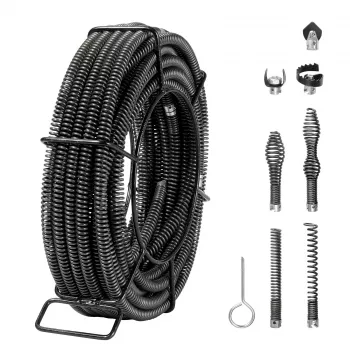
- 66ft Drain Cleaning Cable — Designed to provide extended reach for deeper clogs in household drain lines, especially when short augers and basic home methods don’t restore flow.
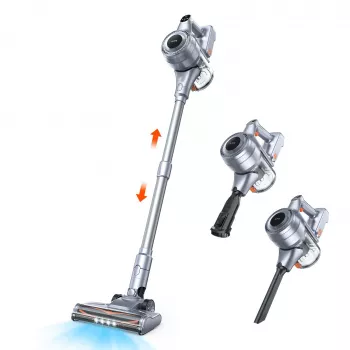
- Powerful Cordless Handheld Vacuum Cleaner with LED Light & 40-Min Runtime — Useful for quick post-job cleanup around the work area once everything is dry.
FAQ
How far should a drain cleaning cable go in a typical home line?
Many fixture branch lines run roughly 10–30 feet to a stack, but longer routes and multiple turns can make the effective distance feel greater. Feed until you meet consistent resistance that behaves like a blockage, or stop earlier if torque rises and binding risk increases.
Can a drain cleaning cable damage PVC pipes?
Yes—damage can happen if the cable is forced, over-rotated at a bend, or driven hard into a fitting. Use gentle rotation, avoid aggressive pushing, and switch to a cleanout or straighter access point if resistance repeatedly spikes.
What should be done if the cable gets stuck?
Stop rotating immediately, then retract slowly while keeping tension controlled; if reverse rotation is available, use it gently to unwind. Adding a small amount of water can help lubricate, and changing to a straighter access point often solves repeat binding—if it remains stuck, a plumber can free it without breaking the cable or the pipe.














Leave a comment