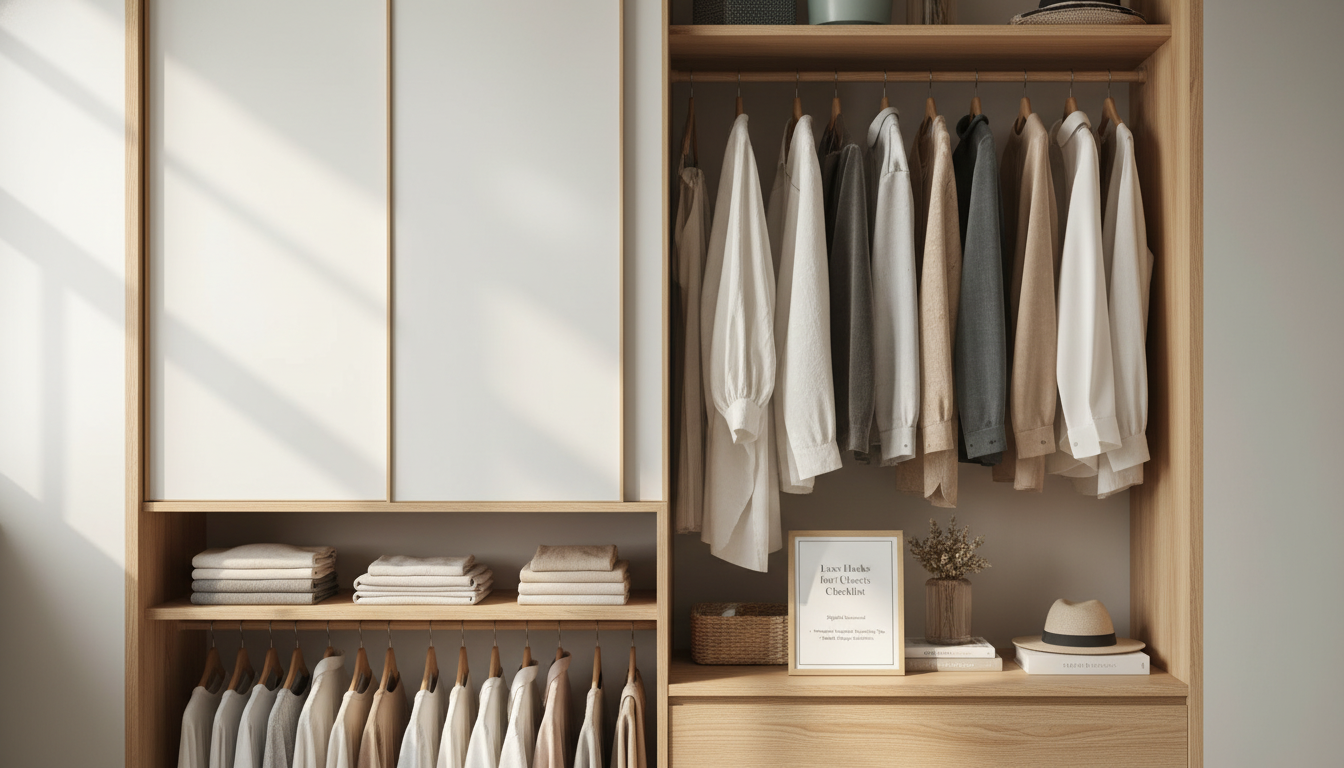
A luxe small closet isn’t about squeezing in more stuff—it’s about making the space feel intentional, calm, and easy to use. Think “mini boutique,” where you can see what you own, reach what you wear, and reset the whole setup without a weekend-long project. For more guidance, see How to Organize a Closet For Maximum Peace of Mind | Vogue.
Before you decide what stays or goes, do a quick reset that instantly improves the space. This keeps you from panic-decluttering (and later rebuying) because the closet “feels” too full. For further reading, see 50 Foolproof Closet Organization Ideas for Any Wardrobe – PODS.
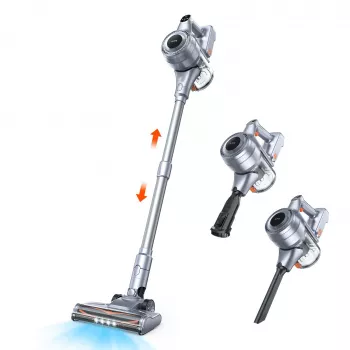
If dust bunnies and closet corners are part of the problem, a quick pass with a handheld vacuum helps the space feel genuinely fresh (especially around baseboards and shoe zones). The Powerful Cordless Handheld Vacuum Cleaner with LED Light & 40-Min Runtime is ideal for fast, targeted cleanups without dragging out a full-size vacuum.
The goal is a wardrobe that supports your real week—not an imaginary life, a past size, or a someday style. These rules keep you from over-editing and then immediately shopping to replace “missing” basics.
For donation planning, follow reputable guidelines so you’re only passing on usable items. Goodwill’s donation guidance is a solid reference: Goodwill Donation Guidelines (What to Donate).
Small closets feel bigger when every item has a “home” and every zone has a purpose. The moment you stop mixing categories, you stop losing space to clutter creep.
If you want extra inspiration for small layouts and renter-friendly approaches, browse ideas from Apartment Therapy: Closet Organization Ideas.
These upgrades don’t require a remodel. They’re “small lever, big result” changes that make a tight closet feel orderly and expensive—because everything reads as intentional.
| Zone | Best for | Rule of thumb |
|---|---|---|
| Eye level (front/center) | Everyday tops, work staples, most-worn shoes | If it’s worn weekly, it earns this spot |
| Lower hanging or floor area | Long dresses, coats, boot storage, laundry hamper | Keep one clear “landing strip” to prevent pile-ups |
| Top shelf | Off-season items, backups, occasional bags | Bin everything; label the front; limit to what fits |
| Drawers or small bins | Undergarments, tees, activewear, accessories | Use inserts; keep categories separated and visible |
| Door/side wall | Belts, scarves, hats, totes | Only display the current-season rotation |
If you want a guided, step-by-step format you can reuse, the Luxe Hacks for Small Closets Checklist (digital download) is designed to help you sort fast, set zones, and maintain the results with minimal effort.
Start with matching slim hangers, clear the floor, and remove duplicates. Then create clear zones—daily items at eye level and off-season pieces in labeled bins—so the space looks open and stays that way.
There isn’t one perfect number; aim for a core set that fits your current lifestyle and laundry routine, plus a small buffer for events. If a category overflows its assigned zone, reduce it or rotate seasonally.
Do a weekly 5–10 minute reset, enforce one-in/one-out for the tightest categories, and use a quarantine bag for maybes. That prevents decision pileups from turning into clutter stacks.





Leave a comment