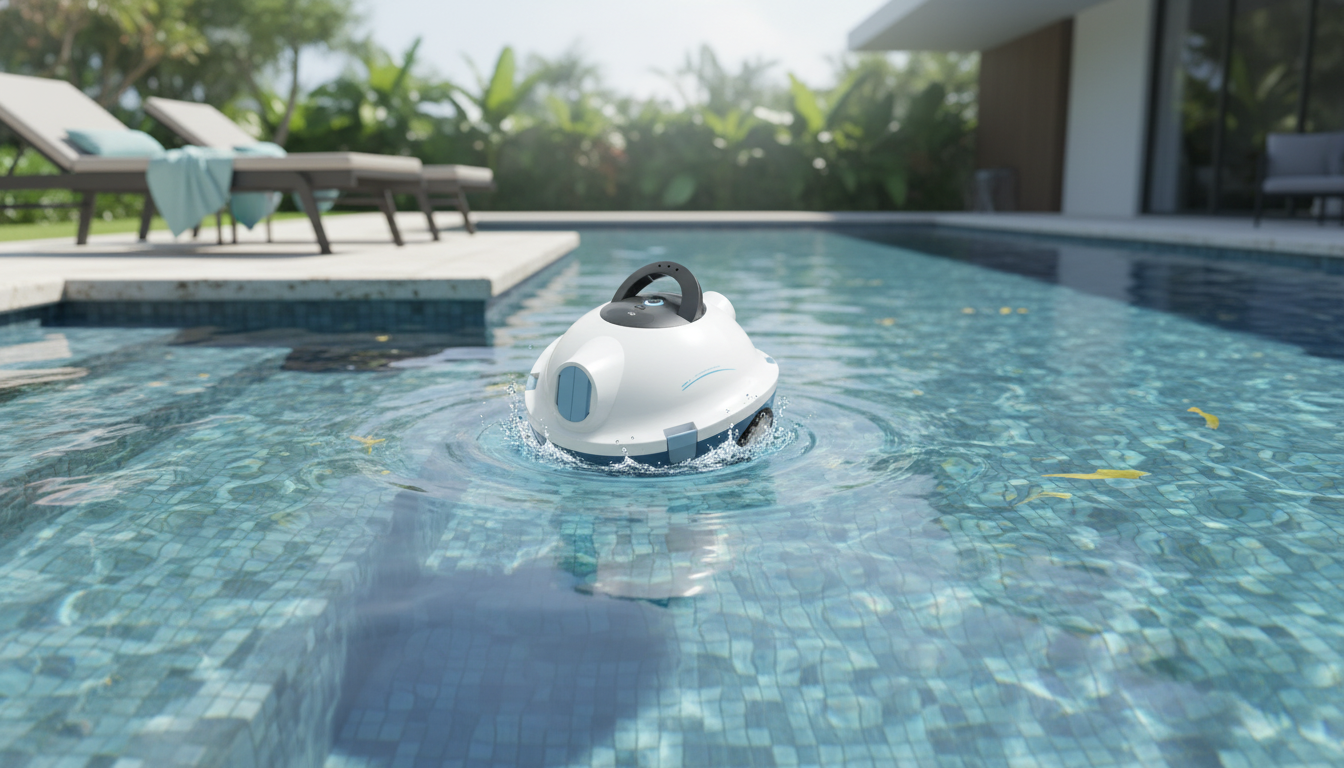
A cordless robotic pool vacuum cleaner handles routine cleanup with almost no setup—no hoses to wrestle, no skimmer connection, and no reliance on your pool pump to pull debris. You place it in the water, start a cycle, and retrieve it when it’s done. For many pools, that simple workflow is enough to keep the floor looking consistently clean between deeper maintenance days.
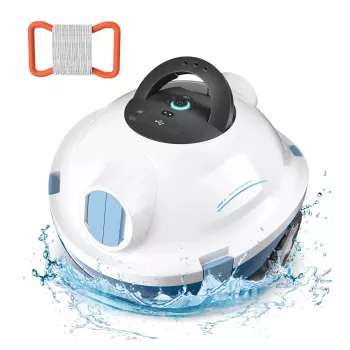
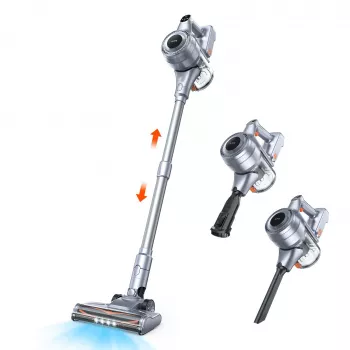
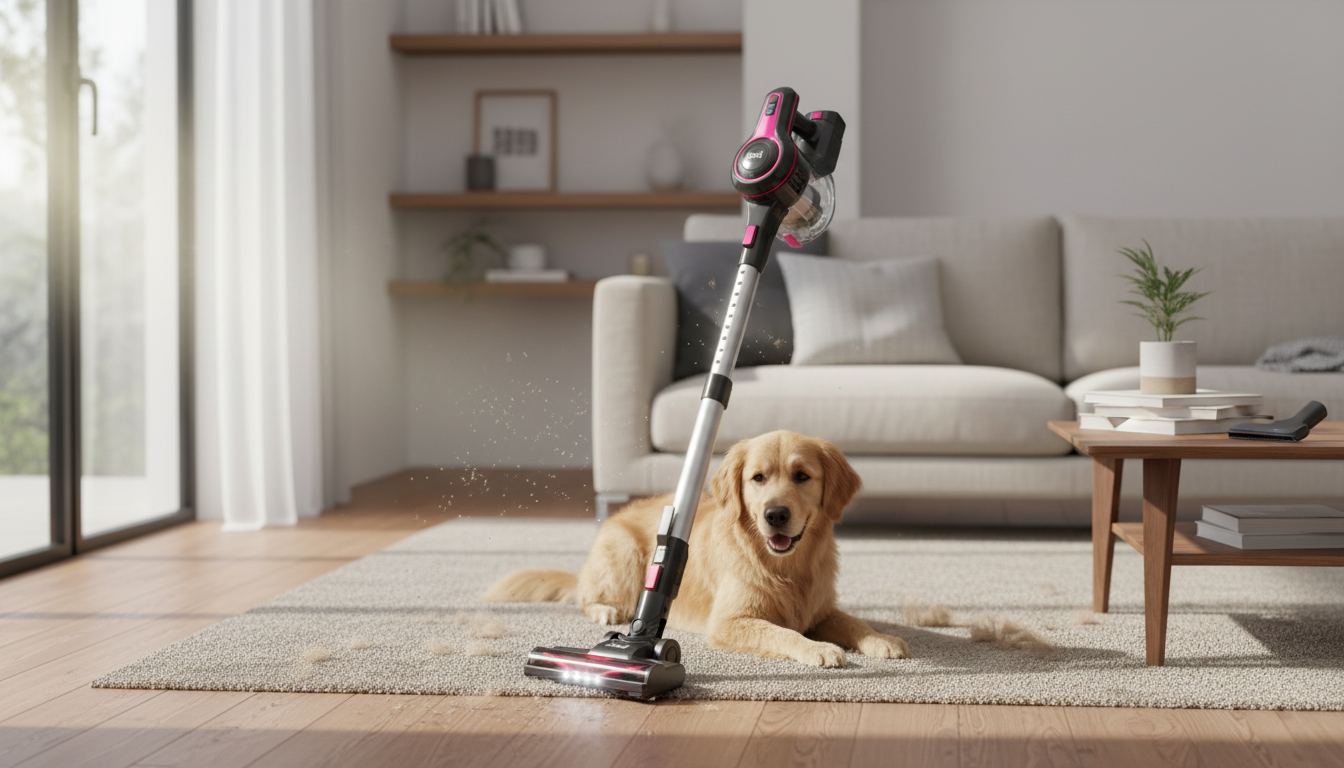
If you want an easy, drop-in option for day-to-day debris, take a look at the Cordless Robotic Pool Vacuum Cleaner. For quick cleanup around the patio, steps, or nearby outdoor seating (where dirt often gets tracked toward the pool), the Powerful Cordless Handheld Vacuum Cleaner with LED Light & 40-Min Runtime can be a helpful companion tool.
Cordless robotic cleaners are designed for practical, routine pickup—especially on the pool floor. Many models focus on floor-only cleaning, while some designs may also tackle portions of the walls depending on traction, motor power, and how they’re programmed to move.
A cordless robot is essentially a self-contained cleaning system. A rechargeable battery powers the drive system (wheels, tracks, or rollers) and a motor-driven suction pathway that pulls water and debris through an internal filter basket or cartridge.
| Type | Setup | Typical strengths | Trade-offs |
|---|---|---|---|
| Cordless robotic | Place in pool, start, then retrieve | Convenience, no hoses, independent of pump | Battery runtime, filter rinsing, may miss tight corners |
| Hose-connected suction | Connect to skimmer or dedicated line | Low upfront cost on some models, uses pool filtration | Can reduce suction to skimmer, hose management, depends on pump performance |
| Manual vacuum head + pole | Attach hose, vacuum slowly | Precise spot cleaning | Time-consuming, requires attention and technique |
Cordless robotic pool cleaners tend to shine in pools where quick, frequent floor cleaning is the goal. They’re a strong match for above-ground pools and smaller in-ground pools, especially when debris is mostly light and routine.
| Pool situation | What to prioritize | Why it matters |
|---|---|---|
| Frequent fine debris (sand/pollen) | Finer filter + easy rinse access | Keeps water looking clear and reduces settling |
| Lots of leaves | Larger debris basket + strong pickup | Avoids frequent emptying during a cycle |
| Irregular shape or steps | Consistent navigation + easy spot-clean routine | Helps cover more floor area with fewer misses |
| Short cleaning windows | Fast setup + reliable runtime | Makes quick maintenance realistic on busy days |
For broader pool safety and best practices, review consumer guidance from the Pool & Hot Tub Alliance (PHTA) and the U.S. Consumer Product Safety Commission.
Before choosing a model, confirm your pool dimensions and think about what typically lands in it (fine dust vs. leafy debris). When runtime and basket capacity match real conditions, results tend to feel consistent instead of hit-or-miss. You can view the Cordless Robotic Pool Vacuum Cleaner here.
Runtime varies by model and conditions, but debris load and rough surfaces can reduce effective runtime. For larger pools, it’s common to plan for occasional second cycles to finish coverage.
It depends on the filter design: finer filtration can capture sand and silt more effectively, but it may clog faster and need more frequent rinsing. Checking the filtration type and cleaning the basket after each run helps maintain suction.
Many cordless units focus primarily on floor cleaning; wall climbing depends on traction, motor power, and the cleaner’s design. If wall coverage is a priority, confirm that capability and plan on occasional brushing for waterline areas.


Leave a comment