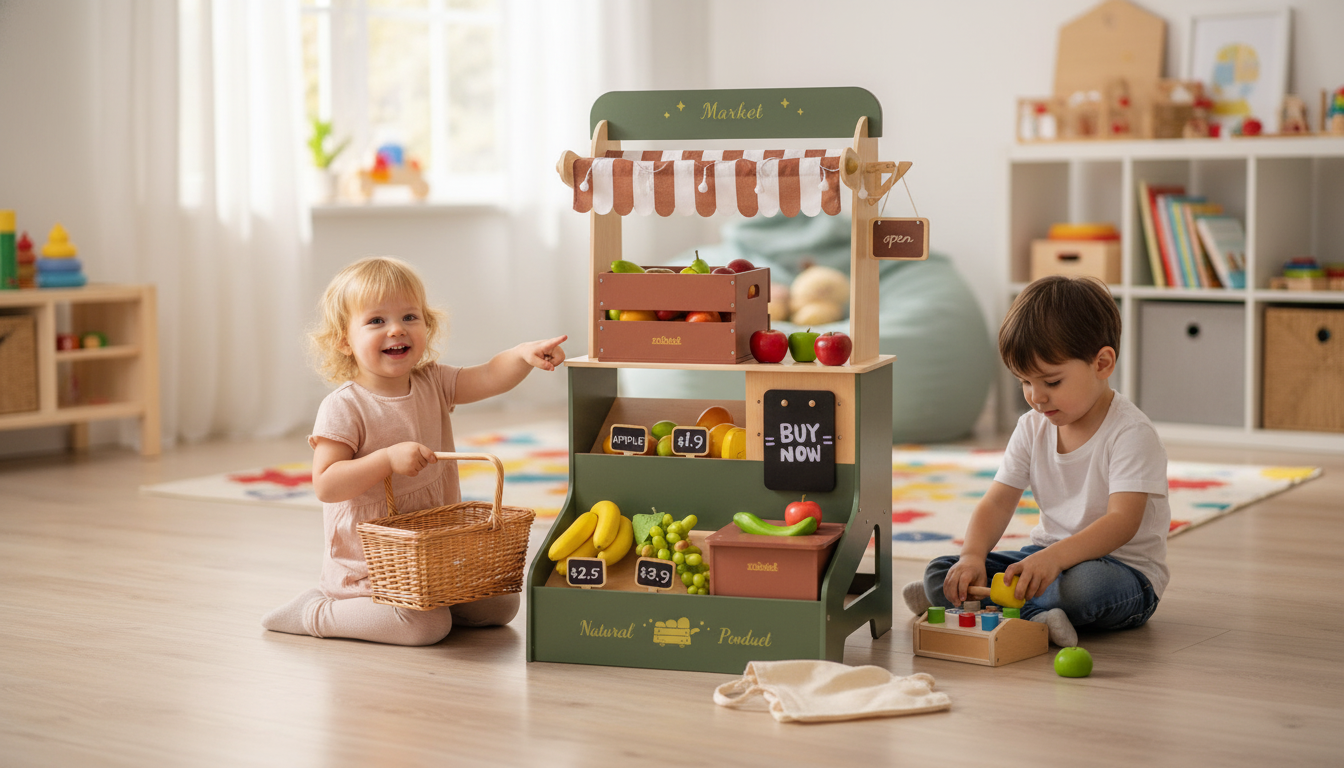
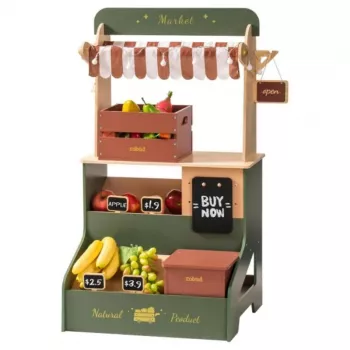
A toy market stand turns make-believe shopping into a hands-on activity that builds language, social skills, and early math through play. This wooden shop playset sets the scene for a mini supermarket at home—complete with accessories—so kids can practice taking turns, naming foods, “paying,” and running their own little store.
Kids are drawn to play that mirrors what they see in daily life, and a market stand is one of the easiest real-world scenes to recreate at home. The roles are clear (shopper, cashier, stocker), the “story” is familiar, and the routine repeats in a satisfying way—browse, choose, checkout, and do it all again.
For caregivers, it’s also an easy way to join in without “directing” the play—simply show up as a customer with a silly request, and let the shopkeeper take it from there.
A wooden supermarket-style playset tends to feel like a “real” piece of the playroom: stable enough for daily use, classic in appearance, and ready for open-ended stories. Accessories matter because they lower the barrier to play—kids can start stocking and shopping right away.
| Detail | What to look for |
|---|---|
| Play theme | Supermarket / market stand role play |
| Material | Wooden components designed for repeated use |
| Accessories | Multiple play pieces for stocking, shopping, and pretend checkout |
| Best play styles | Solo pretend play, sibling play, playdates, caregiver-led games |
| Typical skill areas | Social-emotional skills, language, counting, sorting, imagination |
| Care | Wipe clean; keep dry; store accessories together |
When play starts to feel repetitive, small “missions” can refresh the story without turning it into a lesson. Think of these as gentle prompts that keep kids in charge while giving the game a new direction.
If multiple kids are playing, a simple “line” on the floor (tape, a scarf, or a row of books) can make waiting turns feel like part of the game instead of a conflict.
Pretend shopping naturally blends conversation, cooperation, and problem-solving. Even short play sessions can encourage kids to explain what they’re doing, adjust to someone else’s ideas, and stick with a role long enough to complete a little “transaction.”
Many families also like pretend play as a screen-free option that still feels “busy” and rewarding. For more on why play matters, see the American Academy of Pediatrics on the power of play.
Wooden sets can be wonderfully durable, but it’s still worth doing a quick check before (and during) regular use—especially if younger siblings join the fun.
For broader guidance on toy safety and what to watch for, the U.S. Consumer Product Safety Commission toy safety resources are a helpful reference.
Bonus tip: keep the accessory bin next to the stand rather than across the room—distance is what turns “put it away” into a scavenger hunt. If you want quick, kid-friendly reminders for communication and routines, the CDC’s positive parenting tips for preschoolers pairs nicely with everyday pretend play.
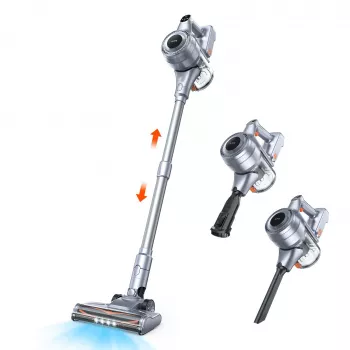
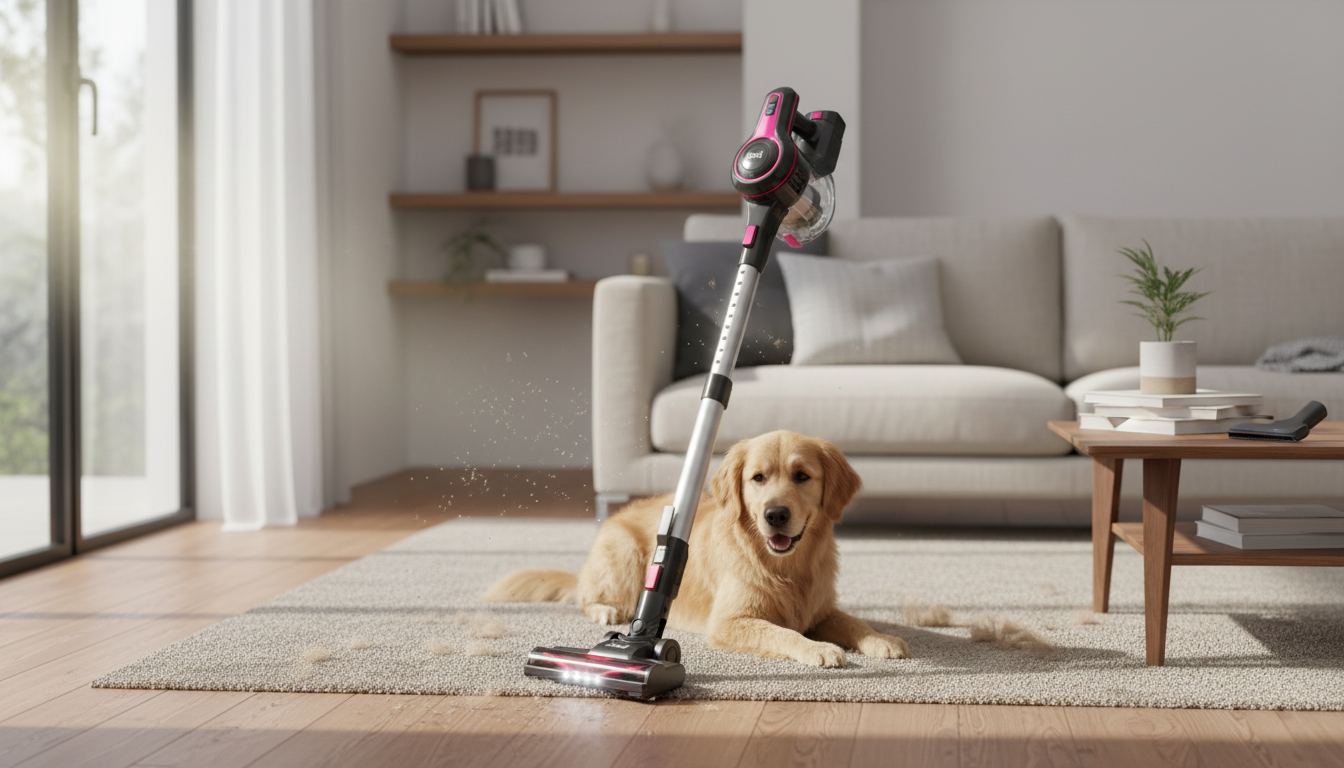
To keep the play area tidy after a busy “shopping day,” a compact helper can make quick cleanups feel manageable—especially for crumbs from snack time near the play corner. Consider adding the Powerful Cordless Handheld Vacuum Cleaner with LED Light & 40-Min Runtime for fast pickups around shelves and accessories.
Preschoolers and early elementary kids often get the most out of shop-and-cashier role play, especially as their language and social play expand. Always follow the manufacturer’s recommended age, and supervise if small accessories are included.
It encourages language practice through naming items and asking/answering questions, builds social skills through turn-taking and manners, and supports early math with counting, sorting, and simple pretend purchasing.
Use a labeled bin or zip pouch stored right beside the stand, and do a quick “restock before bedtime” reset so pieces return to one place. Rotating accessories also helps by keeping fewer items out at once.



Leave a comment