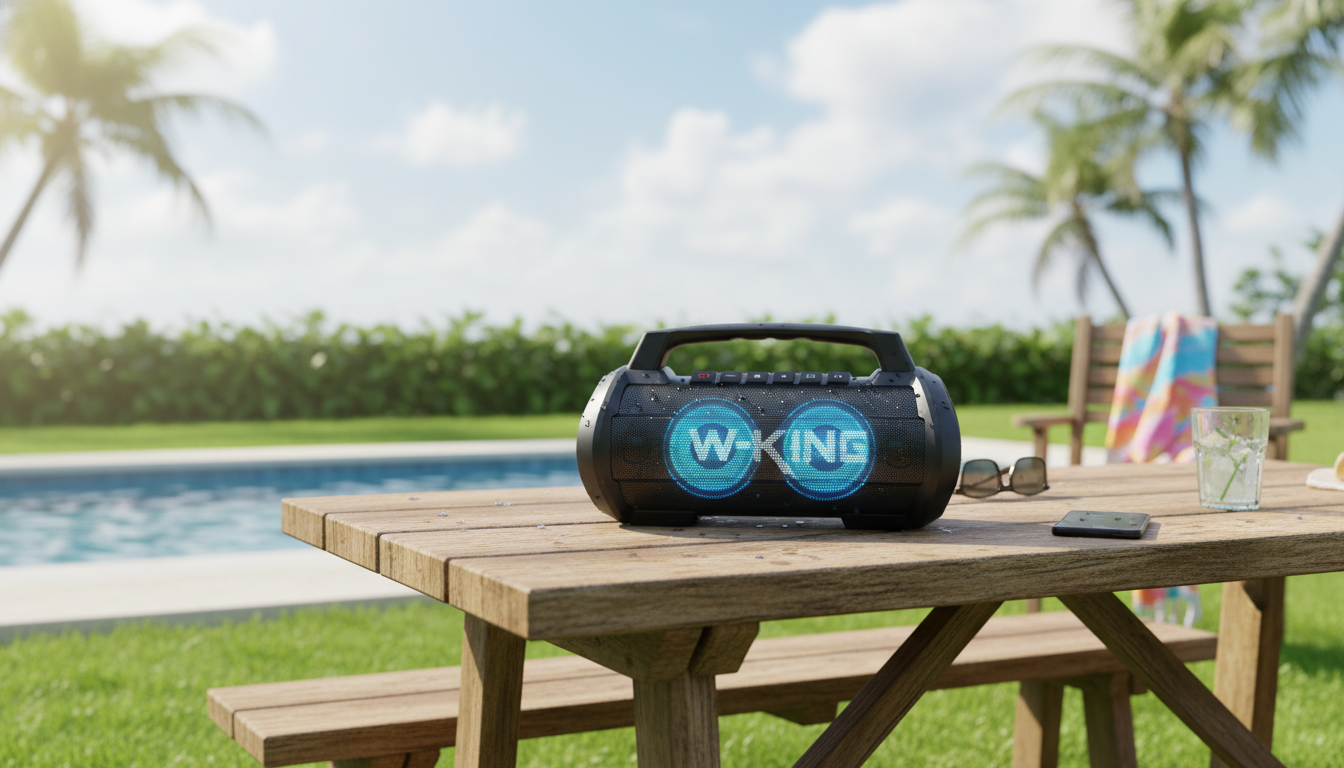
A 70W RMS portable speaker is built for louder, cleaner playback than compact minis—useful for outdoor hangouts, workouts, garages, and casual parties. The right model can comfortably cover background music and “turn it up” moments without sounding strained. Below is a practical breakdown of what 70W RMS means in real use, which features matter most for portability, and how to get better sound in different spaces.
Speaker power is often advertised with big numbers, but RMS is the spec that tends to map best to everyday listening. RMS (root mean square) power reflects sustained output—more like what a speaker can deliver continuously—making it more useful for comparing real-world loudness than peak-only claims.
With 70W RMS on tap, a portable speaker typically has more headroom at higher volumes. That extra headroom can reduce distortion when the music gets energetic, helping vocals stay intelligible and keeping bass notes tighter rather than buzzy or “flabby.”
Even so, perceived loudness and bass depth are not determined by power alone. Driver size, enclosure design, tuning, and overall efficiency matter. Two speakers with the same 70W RMS rating can sound very different—one may emphasize punchy mids for clarity outdoors, while another may chase deeper bass at the cost of maximum clean volume.
In open air, sound disperses quickly. A 70W RMS speaker is often a sweet spot for patios and yards because it can fill the space without constantly operating at its limit—useful for cookouts, poolside playlists, and casual get-togethers.
Wind and ambient noise can swallow quieter speakers. A higher-output portable speaker can compete better (at reasonable, respectful levels). For shared spaces, it’s also worth keeping an eye on safe listening levels; the CDC/NIOSH provides helpful guidance on noise exposure and hearing protection at CDC/NIOSH noise resources.
Workspaces add steady background noise from fans, tools, and open doors. A stronger midrange presentation makes music and podcasts easier to follow without cranking the volume into harshness.
For kitchens, living rooms, and small apartments, a 70W portable speaker can function as a primary room speaker—especially if it’s easy to carry from room to room and simple to control on the fly.
A reliable connection is more valuable than an ambitious range number on a spec sheet. Newer Bluetooth versions can improve efficiency and robustness, but real-world stability is also influenced by antenna design and interference. For official version details, the Bluetooth SIG maintains the current spec information at Bluetooth Core Specification.
Battery life can vary dramatically depending on volume. If a speaker will be used outdoors, USB-C charging and fast-charge support can be a major convenience—especially on day trips where topping up from a power bank is common.
Bluetooth is convenient, but AUX or USB playback can be clutch when you want a wired, no-drama connection or when multiple people are taking turns as DJ. If switching sources often, extra inputs can reduce friction.
Outdoor use is tough on gear. Water resistance, sealed ports, and rugged housings help protect against splashes, sand, and bumps. If available, look for an official IP rating that matches the way it will be used.
| Feature | What it tells you | Why it matters |
|---|---|---|
| Power (RMS) | Sustained output capability | Cleaner sound at higher volumes and better headroom |
| Battery capacity/runtime | How long it plays per charge | Determines whether it lasts through trips and events |
| Charging port | USB-C, micro-USB, DC input, etc. | Faster charging and easier cable sharing when traveling |
| Water/dust rating (IP) | Resistance to splashes or dust | Reduces risk during outdoor use |
| Inputs | AUX/USB/microSD | More ways to play audio when Bluetooth isn’t ideal |
| Size/weight | Portability profile | Affects how convenient it is to carry and store |
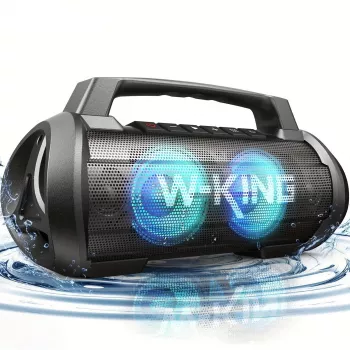
If the goal is higher-volume playback in a portable format, the 70W RMS Bluetooth Portable Speaker is a practical option for social listening, outdoor use, and everyday room-to-room music. It’s well-suited for shoppers who want one speaker that can handle both at-home listening and occasional events without needing a full multi-speaker setup.
It’s typically enough for small-to-medium gatherings, especially if the speaker isn’t pushed into distortion. Results depend on how open the space is, how loud the crowd is, and how efficiently the speaker is tuned—placing it on a solid surface and aiming it toward the group helps.
RMS watts describe sustained, continuous output, while peak watts represent short bursts that aren’t maintained. For comparing speakers, RMS plus real-world listening feedback is usually more reliable than peak numbers alone.
Use moderate volume, turn off extra lighting features if the speaker has them, and keep a stable Bluetooth connection to avoid constant re-pairing. Charging before storage and avoiding very hot or freezing conditions also helps preserve runtime.


Leave a comment