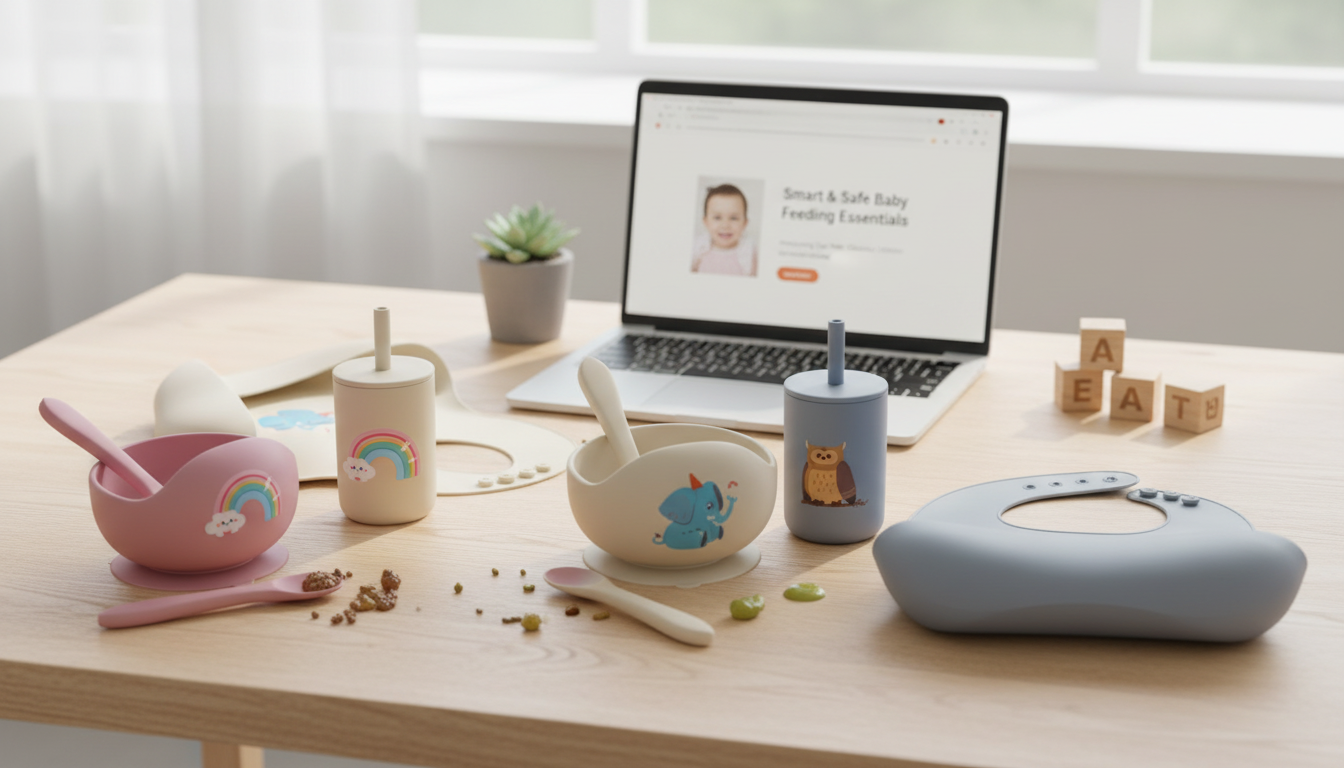
A simple, reliable setup can make daily meals calmer for both toddlers and caregivers. This silicone feeding set combines a toddler-friendly bowl, an easy-clean bib, and sized-right utensils to support early self-feeding while helping reduce spills and cleanup time. If you’re building a first tableware kit for starting solids or upgrading from mismatched dishes, a coordinated set like this keeps routines consistent at home or on the go. For more guidance, see Personalized Name Food Grade 6pcs Baby Feeding Set with Spoon ….
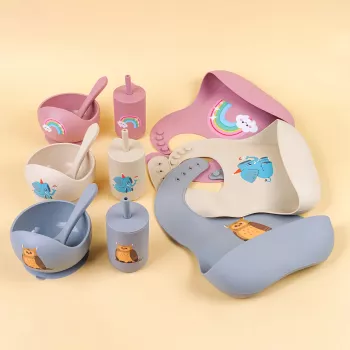
This 4-piece bundle is designed for everyday meals: a silicone bowl, a silicone bib, and a toddler fork and spoon. Each piece is sized to help toddlers transition from purees to thicker textures and finger foods without jumping straight to adult-sized tableware. It also works well as a practical starter kit for travel, a diaper-bag backup, or a thoughtful gift for baby showers, first birthdays, and “starting solids” milestones. For further reading, see Suction Bowl, Plate, Spoon, Fork, Sippy Cup & Bib (Blue-White).
| Item | What it helps with | Daily-use notes |
|---|---|---|
| Silicone bowl | Keeps food contained during scooping | Use with thicker foods to build utensil skills; choose a stable surface |
| Silicone bib | Catches crumbs and drips | Wipe clean between bites; rinse after messy foods like sauces |
| Toddler fork | Picking up soft foods | Best for ripe fruit, cooked veggies, pasta, and small pieces |
| Toddler spoon | Scooping purees and oatmeal | Encourages hand-to-mouth coordination; pair with thicker textures to reduce drips |
Silicone tableware is popular for early self-feeding because it’s flexible, shatter-resistant, and typically gentler than rigid materials when little ones are still learning control. Many families also look for BPA-free options to help reduce exposure to certain industrial chemicals used in some plastics; for background, see the FDA overview of BPA in food contact applications.
As with any baby product, safety is also about daily habits: supervise closely during meals, keep pieces bite-sized, and inspect the bib and utensils regularly for tears, cracks, or bite damage. If anything looks compromised, replace it to keep mealtimes predictable and comfortable.
A dedicated toddler bowl helps portion child-sized servings without requiring multiple dishes, which can cut down on clutter and minimize the “push everything off the tray” phase. For spoon practice, a bowl provides a consistent edge to scoop against as toddlers learn wrist angles, hand-to-mouth timing, and how much food to load at once.
It’s especially useful for foods that spread or slide—yogurt, oatmeal, mashed vegetables, cottage cheese, and thicker purees—while still working for bite-sized solids like berries or small pasta shapes. To reduce spills during the learning stage, serve smaller amounts and refill as needed. Smaller portions are easier to manage and help keep food from getting pushed over the rim in one big sweep.
A catch-pocket style silicone bib helps intercept drips and crumbs before they hit clothing, high-chair straps, or the floor. Over time, that can mean fewer outfit changes and less scrubbing of buckle crevices—especially during saucy meals.
Soft silicone is typically more comfortable than stiff plastic bibs, which can rub at the neck during longer meals. Look for an adjustable fit so the bib sits close to the chest; a snugger position usually improves crumb capture and keeps the pocket open. After meals, shake crumbs into the trash, then rinse or wipe down promptly to help prevent lingering odors.
Utensils sized for small hands can make independence feel achievable. A toddler spoon supports early scooping and helps build coordination, especially when paired with thicker textures that “stick” better than thin soups. Early wins matter—less dripping often equals less frustration and more willingness to try again next meal.
A toddler fork is ideal once a child shows interest in spearing and lifting soft foods. Start with foods that pierce easily (think ripe avocado cubes, banana slices, well-cooked carrots, tender pasta, or soft scrambled eggs). Expect a learning curve: hand-over-hand guidance can help your toddler understand the motion, then gradually back off as they take over.
For broader feeding guidance, the American Academy of Pediatrics resource on starting solid foods is a helpful reference, and the CDC’s food safety tips for infants and toddlers covers safe handling and preparation.
BPA-free silicone is commonly chosen for toddler tableware, and silicone’s flexibility can be gentler during early self-feeding. Supervise during meals, and regularly inspect the bowl, bib, and utensils for tears, cracks, or bite damage—replace any piece that looks worn or compromised.
Soak the silicone in warm, soapy water, rinse thoroughly, and let it air-dry completely. Prompt cleaning after strongly scented foods and fully drying before storage can also help prevent odors from lingering.
For spoon practice, start with thicker foods like oatmeal, yogurt, and mashed sweet potato to reduce drips. For fork practice, choose soft, easy-to-spear foods such as ripe fruit, cooked vegetables, and pasta, served in small bite-sized portions with close supervision.


Leave a comment
You must be logged in to post a comment.