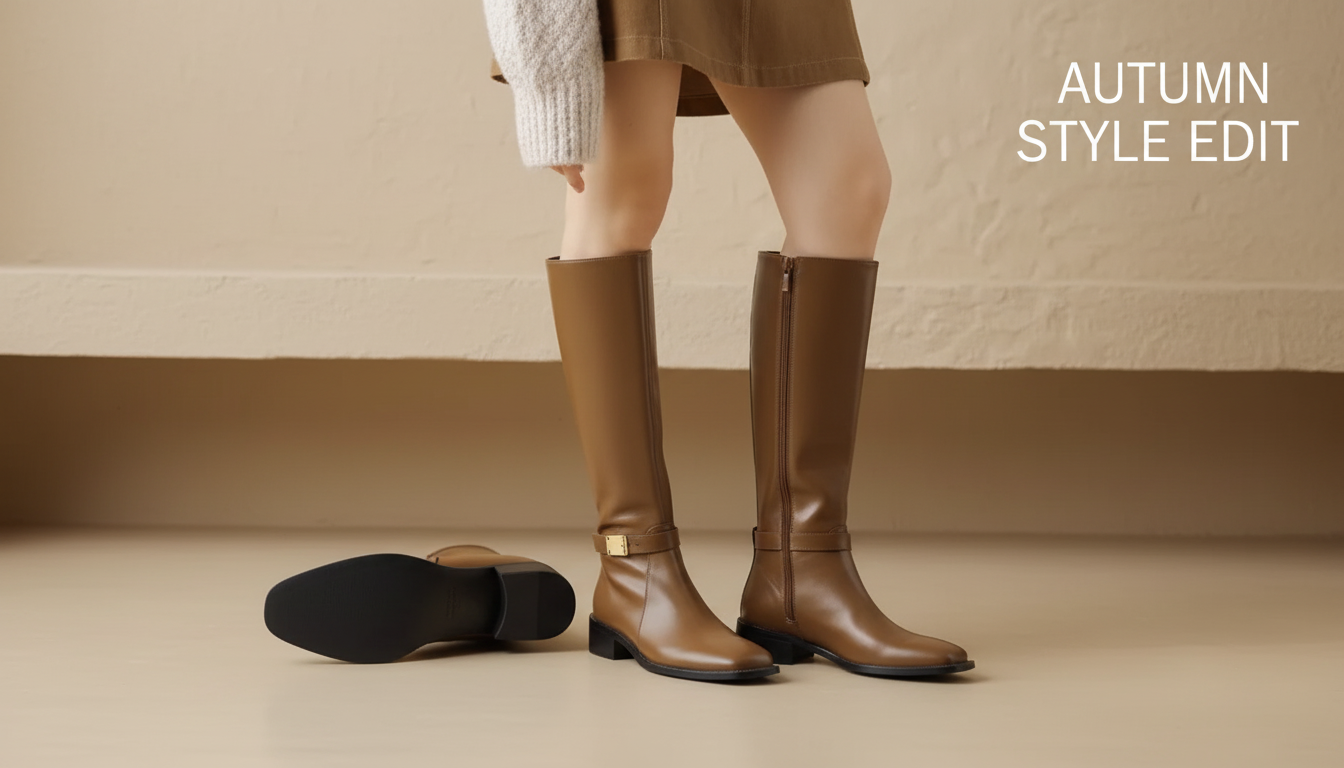
Knee-high leather riding boots balance clean equestrian lines with practical coverage for cooler days. The right pair feels supportive through the shaft, stable at the heel, and comfortable enough to wear from commute to weekend plans—without losing that polished, tailored look. With a few fit checks and simple care habits, a well-made riding boot can become the “reach-for-it” piece that makes denim, dresses, and outerwear feel instantly pulled together. For more guidance, see Black Women\’s Knee-High Boots.
Riding boots have a distinct, intentional simplicity—designed to look sleek and stay wearable for hours. For further reading, see Athlefit Women’s Knee High Riding Boots Round Toe Low ….
The result is a boot that reads classic rather than trendy: crisp lines, subtle detailing, and an overall “finished” look even with relaxed outfits.
Two knee-high boots can look similar at a glance but wear very differently. These details tend to matter most once you start putting miles on them.
If you’re prone to rubbing during break-in, it’s worth being proactive with fit and sock choices. The American Academy of Dermatology offers practical blister-prevention guidance that can help during the first few wears: How to prevent and treat blisters.
Fit is the difference between a boot that feels “supportive” and one that feels like a struggle. Before buying, measure thoughtfully and think about how you’ll actually wear them day to day.
| Area | Should Feel Like | Common Fix If Not |
|---|---|---|
| Calf | Snug with room to move; no sharp pressure | Try a wider-calf option, stretch service, or a thinner sock |
| Ankle | Secure and supported; minimal heel slip | Add a thin insole/heel grip or size adjustment if length is correct |
| Toe box | Toes lie flat with a little wiggle room | Size up if toes press; choose a roomier toe shape |
| Instep | Comfortable over the top of the foot | Look for adjustable closure or slightly different last/fit |
| Shaft height | Sits below the knee and doesn’t bite when seated | Consider a slightly shorter shaft or different size/fit |
A riding-boot profile works because it’s structured without feeling fussy—so it can anchor casual basics or complement tailored layers.
The riding boot’s heritage sits at the intersection of sport and style, which is part of why the silhouette stays relevant decade after decade. For broader fashion context, the Metropolitan Museum of Art’s fashion timeline is a helpful reference point: Heilbrunn Timeline of Art History (Fashion).
For more detailed leather-care fundamentals and best practices, the UK Leather Guild’s guidance is a solid reference: Leather care guidance.
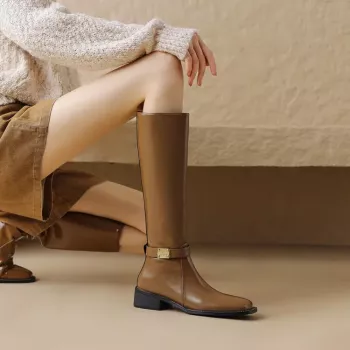
If you’re looking for a classic tall-boot profile built for repeat wear, Women’s Knee-High Leather Riding Boots deliver a clean, structured silhouette that pairs easily with denim, dresses, and seasonal outerwear. For the best experience, confirm calf fit, choose socks based on your intended look (sleek vs. cozy), and keep the leather protected and conditioned so the shafts stay sharp through the season.
For pairing your fall/winter look with a small practical extra, Hi-Res Dynamic In-Ear Earphones with MMCX Cable & Dual Plug Options can be a convenient grab-and-go companion for commutes and errands.
Aim for a snug fit with comfortable movement—secure but not painfully tight. Measure your calf at the widest point while standing, and make sure the fit still works with the sock thickness you plan to wear most often.
Leather can soften and relax slightly in the shaft and across the instep, but it usually won’t change enough to fix a pair that starts out uncomfortably tight. Start with a fit that feels good from the beginning, then use conditioning and boot shapers to help the leather wear in evenly.
Store them upright with boot trees or shapers, and avoid folding the shaft in a closet or bin. Keeping the leather clean and conditioned also helps it hold its structure instead of collapsing over time.



Leave a comment
You must be logged in to post a comment.