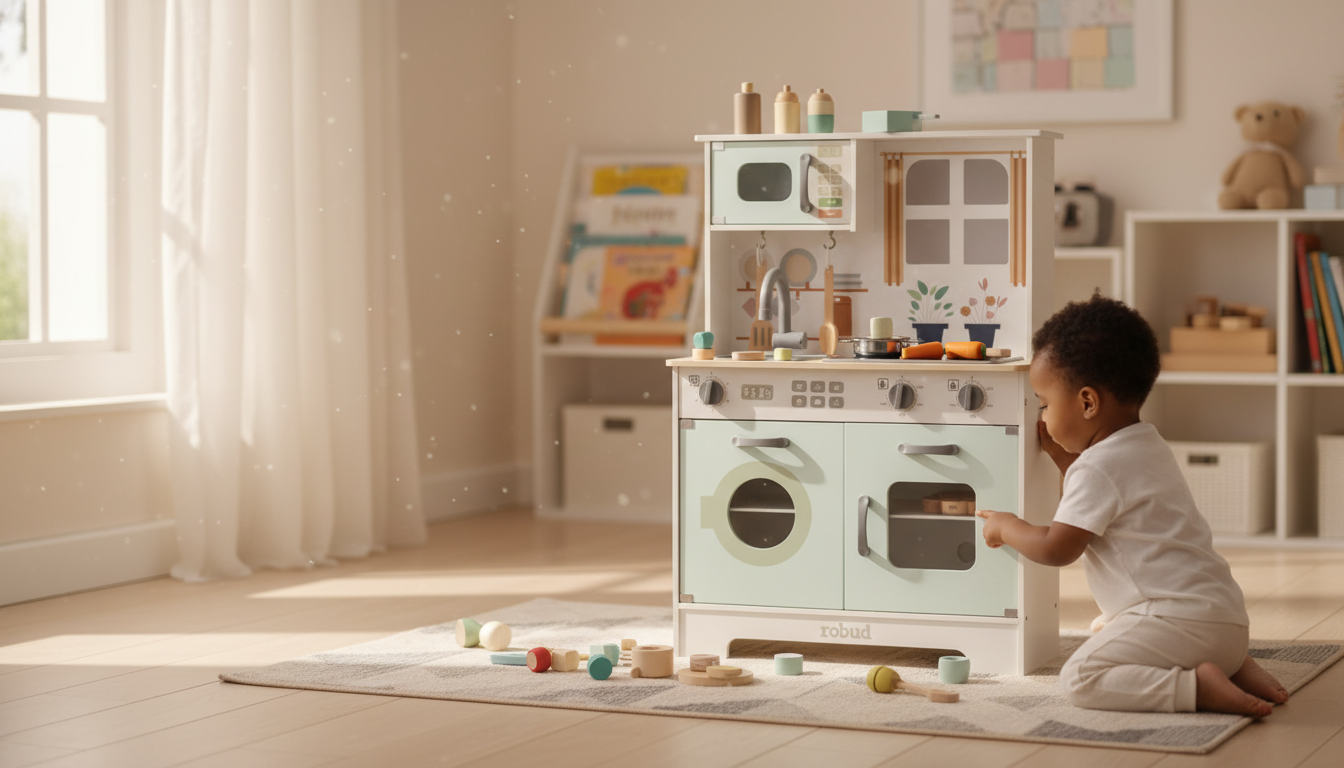
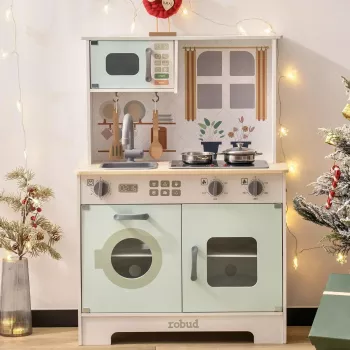
A play kitchen that looks like the real thing can turn everyday pretend play into a full “cook, serve, clean” routine. This wooden set adds interactive lights and sounds for extra realism while keeping the warmth and durability many families prefer in wood toys. When kids can hear a “sizzle,” see a burner light up, and open an oven door that feels solid, they tend to stay in the story longer—building confidence, language, and everyday-life skills through play.
Realistic pretend play is often about feedback: a child does something, and the “world” responds. A wooden play kitchen with lights and sounds supports that cause-and-effect loop in a way that keeps play moving.
A single set can grow with a child. The same knobs and cabinets that delight a toddler can become props for collaborative games once kids are older.
Before picking a play kitchen, it helps to think like a kid (high-touch parts get used constantly) and like a parent (space, storage, and setup matter).
| What to look for | Why it matters | What to confirm |
|---|---|---|
| Stable base and smooth edges | Helps reduce tipping and minor bumps during energetic play | Stands level on your floor; no sharp corners; sturdy doors |
| Durable knobs, doors, and hinges | High-touch parts get the most wear | Knobs turn smoothly; doors open/close without sticking |
| Lights and sound controls | Adds realism and keeps kids engaged longer | Simple on/off; volume isn’t startling; sounds trigger consistently |
| Storage space | Makes cleanup part of the game | Shelves/compartments fit accessories; hooks for utensils if included |
| Easy-to-clean surfaces | Pretend “mess” happens constantly | Wipeable finish; fewer deep grooves that trap crumbs/dust |
A good play kitchen should feel inviting and sturdy, while also supporting safe, age-appropriate play habits.
For broader toy-safety guidance, review resources from the U.S. Consumer Product Safety Commission (CPSC) and the American Academy of Pediatrics. You can also reference ASTM F963, a widely used toy safety standard.
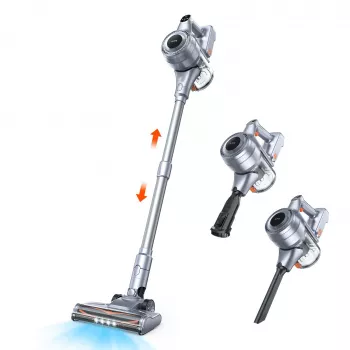
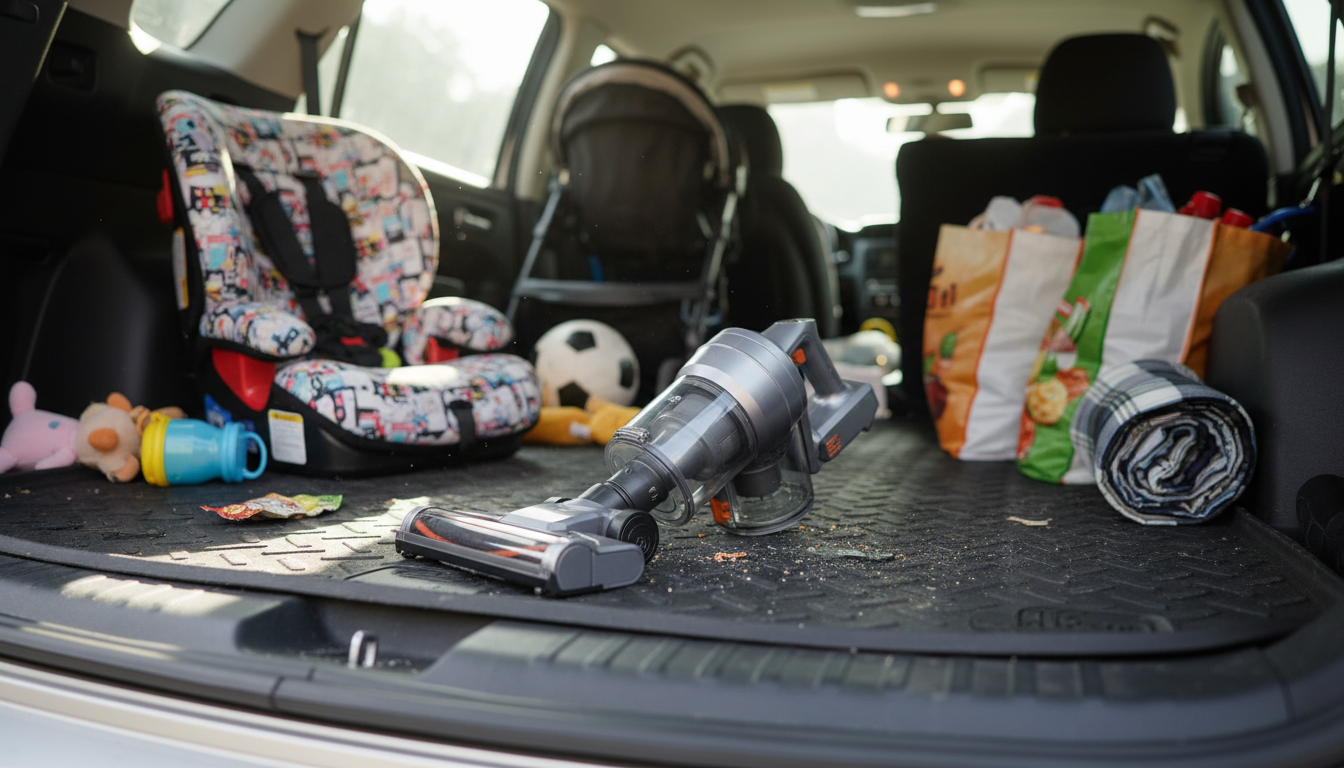
If your play area doubles as a family space, a quick pickup tool can help. A compact option like the Powerful Cordless Handheld Vacuum Cleaner with LED Light & 40-Min Runtime is handy for crumbs and craft bits around the pretend kitchen zone.
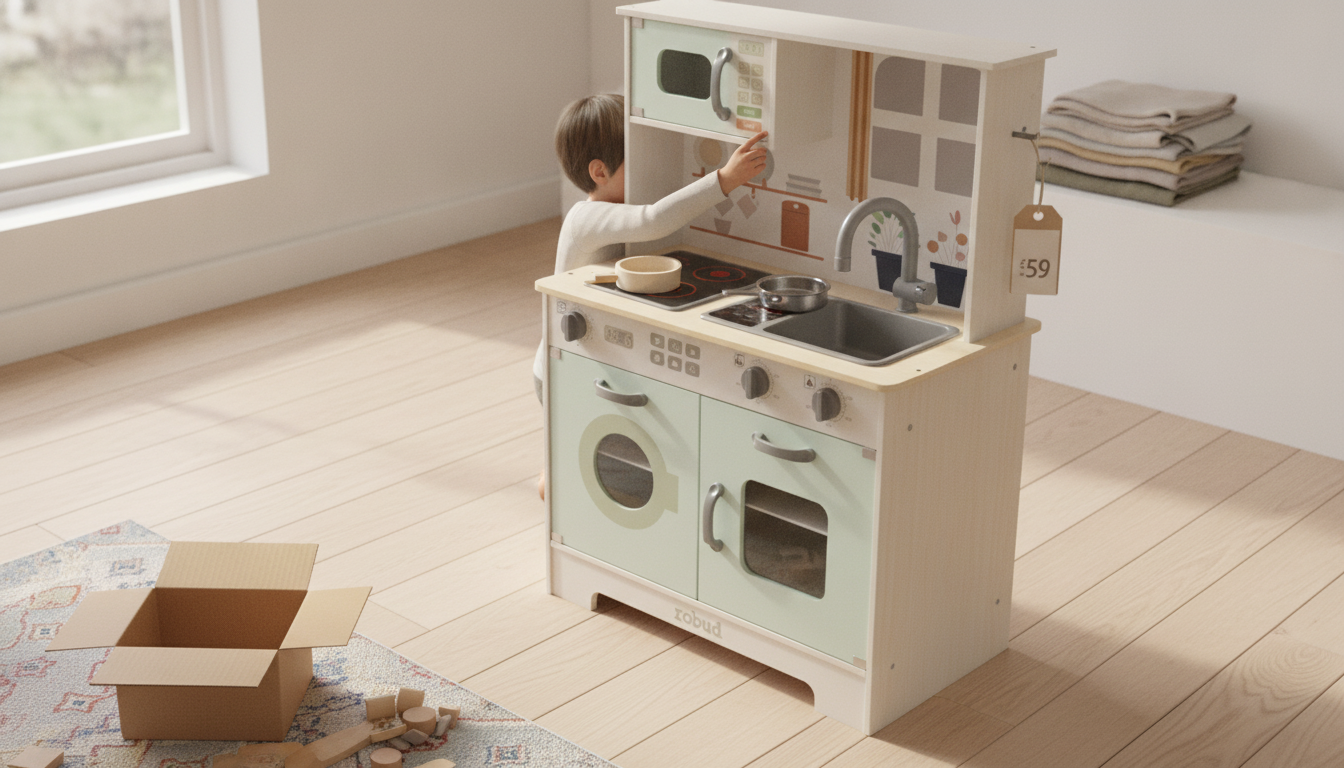
The Wooden Play Kitchen Set with Lights & Sounds is designed to bring realistic play to a child-friendly scale. The lights and sound features add sensory feedback that encourages longer role-play sessions, while the wooden build supports everyday use in playrooms, bedrooms, and classroom dramatic-play corners. For current pricing and availability, use the product page link above.
Volume varies by toy, so it’s worth checking whether the set has a simple on/off switch and whether the sound level feels comfortable in your space. Keep batteries adult-managed, and place the kitchen away from quiet zones like nurseries if your home is sound-sensitive.
Most families get great use from toddler years through early elementary. Toddlers do best with larger accessories and close supervision, while older kids enjoy role-play scenarios, cooperative “restaurant” games, and simple menus.
Wipe surfaces regularly with a gentle cloth, and use labeled bins so kids know where everything goes. Rotating accessories and making “closing the kitchen” (putting items back on shelves and hooks) part of play helps keep clutter under control.



Leave a comment
You must be logged in to post a comment.