6.5L Smart LCD Air Fryer: Touch Presets & Crisp Results
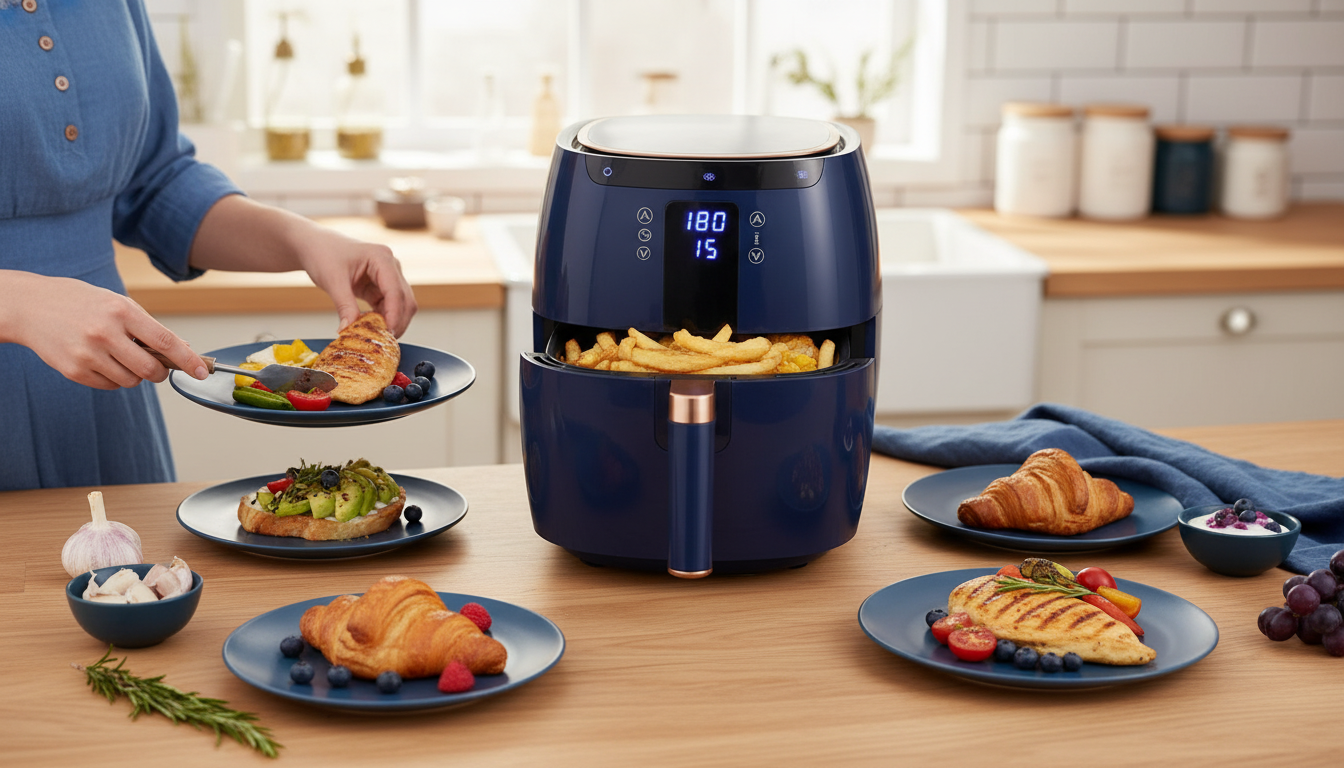
6.5L Smart LCD Fully Automatic Air Fryer with Touch Control
A 6.5L air fryer with a smart LCD and touch controls can simplify weeknight cooking by combining fast hot-air circulation with one-tap presets. This guide breaks down what this model does well, what to check before buying, and how to get consistently crisp results across common foods—without turning on a full-size oven.
What Makes This Air Fryer Different
The appeal of a 6.5L basket-style air fryer is balance: it’s large enough to handle everyday family portions, but still compact enough to live on the counter. Compared with smaller units, the 6.5L size is better suited for batch cooking, meal prep, and side dishes without running multiple cycles back-to-back.
The smart LCD display and touch panel are built for speed. Instead of turning dials and guessing at settings, you can tap a preset, tweak time/temperature quickly, and monitor the cook at a glance. Fully automatic programs are especially helpful when you’re learning how different foods brown and crisp in circulating heat.
Most cooks end up using an air fryer for more than “air frying.” Multi-functional use typically includes roasting vegetables, reheating leftovers, and crisping frozen snacks—tasks where airflow and concentrated heat can outperform a conventional oven for smaller batches.
At-a-Glance Specifications and Everyday Fit
This style of air fryer tends to fit best in homes that want faster cook times than a traditional oven and less oil than deep frying. A 6.5L basket generally supports a main plus a side for small families, or multiple servings of appetizers, as long as you avoid crowding.
Touch interfaces shine when you like preset-driven cooking, but manual adjustments still matter. Portion size, starting temperature (refrigerated vs. room temp), and how full the basket is will change browning—so being able to add a few minutes is a practical advantage.
| Feature | What it means in the kitchen |
|---|---|
| 6.5L basket capacity | Cook larger batches; fewer rounds for fries, wings, and roasted vegetables |
| LCD + touch control | Faster preset selection and easier mid-cook adjustments |
| Automatic cooking programs | More consistent results for common foods when starting out |
| Multi-functional modes | One appliance can cover crisping, reheating, and roasting tasks |
| Basket-style air frying | Promotes airflow around food for browning; shake/flip improves evenness |
For placement, give the unit breathing room. Keep vents clear, leave space around the back/sides, and avoid tucking it tightly under low cabinets where steam can collect.
Cooking Results: How to Get Crisp, Even Browning
Air fryers can produce excellent texture, but technique matters. For frozen foods and breaded items, a short preheat often improves crispness by starting the exterior browning sooner. If you skip preheating, you may still get good results—just expect a slightly softer first few minutes.
Avoid crowding the basket. Hot air needs space to circulate, and piled food tends to steam. If you’re cooking for more people, batch cooking is usually faster overall than forcing a single overloaded cycle that turns out uneven.
Use the pause button strategically: shake fries halfway through, and flip proteins so both sides brown. A light oil mist can improve color and crunch on vegetables and fresh-cut potatoes; you’re not trying to soak the food, just lightly coat the surface to help browning.
For meats, time is only a guideline. Finish to safe internal temperature—especially for poultry, ground meats, and thicker cuts. The USDA’s safe minimum internal temperature chart is a reliable reference for doneness: USDA Food Safety and Inspection Service — Safe Minimum Internal Temperatures.
Controls, Presets, and Practical Workflow
Touch controls are most enjoyable when taps register quickly and icons are clear under typical kitchen lighting. Presets are best treated as starting points: use them to get in the right range, then adjust time in small increments to match portion size and desired crispness.
Manual mode is the workhorse for recipe conversions. If you’re adapting an oven recipe, a common approach is to reduce temperature slightly and start checking early, since the smaller cooking cavity and active airflow often speed things up.
Cleaning, Care, and Long-Term Durability
Safety and Smart Use Habits
Place the air fryer on a stable, heat-safe surface with clearance around the vents. Never block exhaust—steam and hot air need room to vent safely. When reheating leftovers, follow safe cooling and storage practices; the FDA’s guidance is a helpful baseline for handling and reheating: FDA — Refrigerator & Food Safety.
Who This 6.5L Model Suits Best
Recommended In-Stock Picks
- 6.5L Smart LCD Fully Automatic Air Fryer – Touch Control, Multi-functional Cooking Companion
- Powerful Cordless Handheld Vacuum Cleaner with LED Light & 40-Min Runtime (handy for quick crumb cleanup around prep areas)
FAQ
Does a 6.5L air fryer fit a whole chicken?
It depends on the chicken’s size and the basket shape. Many 6.5L baskets can handle a smaller whole chicken, while larger birds may need to be spatchcocked or cooked in pieces so air can circulate properly.
Do air fryers need preheating?
Many foods cook well without preheating, but preheating often improves browning for frozen items, breaded foods, and thicker cuts. If a preset suggests preheat, follow it, then adjust time slightly based on how full the basket is.
How is an air fryer different from a convection oven?
Both use circulated hot air, but air fryers usually have a smaller cavity and stronger, more concentrated airflow, which can crisp food faster. The trade-off is capacity: convection ovens handle larger trays, while air fryers can be quicker and more efficient for small-to-medium batches.














Leave a comment