Bluetooth Long-Range FPV Quad Setup: Links, Range, Safety
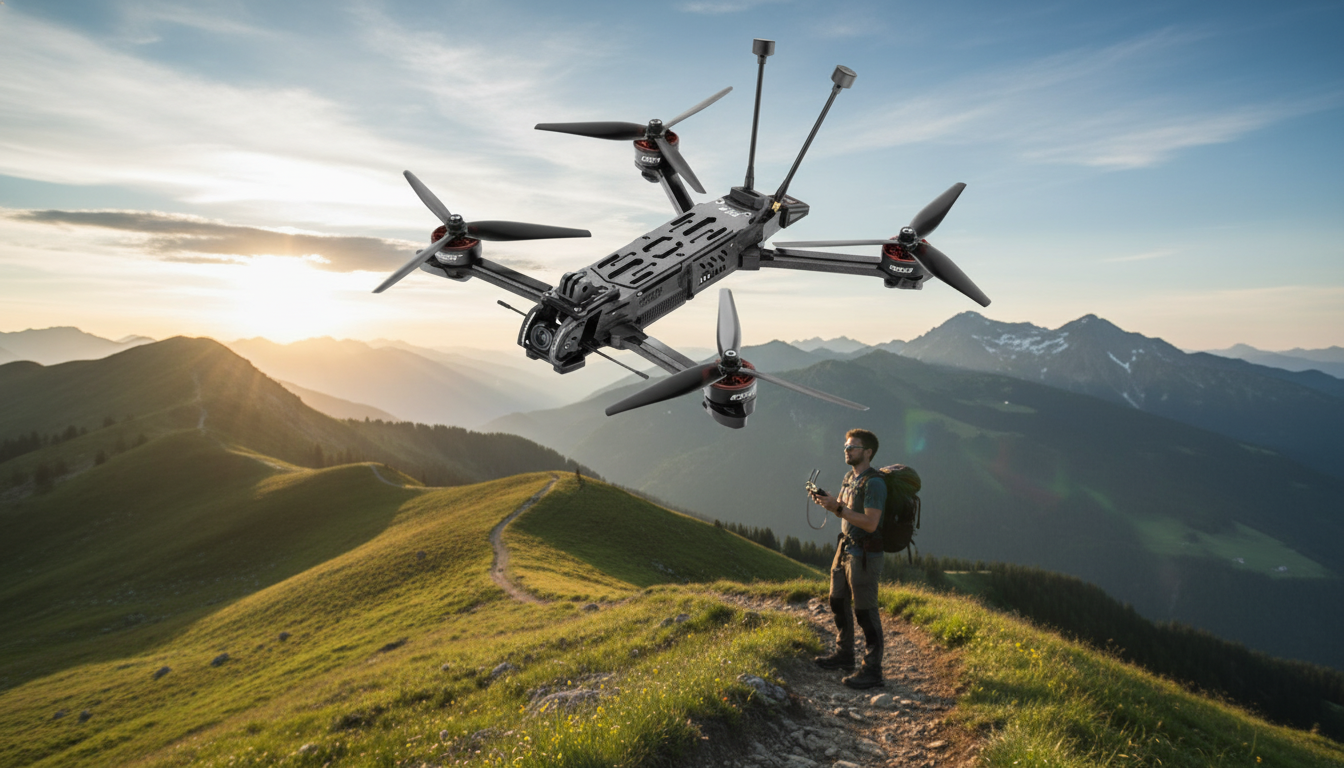
Advanced Long-Range FPV Quadcopter with Bluetooth: Control, Range, and Real-World Setup
A long-range FPV quadcopter can turn wide-open landscapes, inspection routes, and cinematic flyovers into a live, responsive experience—when the link is stable, the controls feel predictable, and the setup is dialed in. Bluetooth adds convenience for pairing and configuration, but true distance performance still comes from the control link, video link, antennas, power system, and disciplined pre-flight habits. Below is a practical breakdown of what makes an “advanced” long-range FPV quad feel better in the air, plus a setup path that reduces surprises once you start stretching out range.
What Makes a Long-Range FPV Quadcopter Feel “Advanced”
Long-range capability is never one part—it’s the entire system working together. A strong airframe with clean antenna placement won’t matter if the battery sags early, and a great battery won’t help if the radio link gets noisy behind a hill. An “advanced” long-range quad typically means more than raw range claims; it points to a more controllable, more repeatable experience.
- System-level range: Airframe, battery, radio link, video link, antennas, and flight tuning all contribute to usable distance.
- More configuration: Better link management, clearer failsafe options, and adjustable rates/expo can reduce pilot workload.
- Bluetooth convenience: Often used for fast pairing and quick settings changes from a phone/app or compatible controller.
- Real-world variables: Interference, terrain, temperature, wind, and payload weight can shrink range dramatically versus ideal conditions.
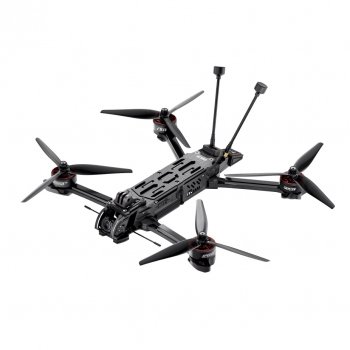
If you’re shopping for a complete solution, start with a model designed for distance flights, then evaluate how easy it is to maintain consistent link quality over time. A good example of this category is the Advanced Long-Range FPV Quadcopter with Bluetooth, built around the idea that configuration and field checks shouldn’t require a full bench setup.
Bluetooth: What It’s Good For (and What It Isn’t)
Bluetooth earns its place by making ground setup faster. Instead of hunting for cables or guessing which setting you changed last session, Bluetooth pairing can make it easier to review status, confirm modes, and apply updates while you’re still packing up at the car.
- Fast pairing for configuration: Useful for settings changes, app-based features, and quick verification before takeoff.
- Convenient pre-flight checks: Confirm indicators, selected modes, and that your intended link path is active.
- Not your long-range link: Bluetooth is typically short range and should not be treated as the primary control or FPV video system.
- Best practice: Configure on the ground, confirm failsafe behavior, then fly using your dedicated control and video links.
Key Specs to Compare Before Buying
Spec sheets are helpful, but only if you tie them to how you’ll actually fly: open terrain vs. mixed obstacles, calm mornings vs. windy ridgelines, lightweight cruising vs. carrying an action camera or extra hardware.
- Control link: Protocol/frequency support, antenna options, and how well it holds up in interference.
- Video system (FPV): Resolution/latency characteristics, channel/band support, and antenna quality/placement.
- Power system: Battery capacity/type, motor efficiency, and realistic flight time under typical load.
- Navigation and safety: Return behavior (if supported), geofencing options, and configurable failsafe settings.
- Build and maintenance: Frame durability, prop availability, arm/motor access, and ease of replacing wear parts.
- Included accessories: Controller, FPV display/goggles (if any), spare props, charger, and carrying options.
Quick Comparison Checklist for Long-Range FPV Quads
| Category | What to look for | Why it matters |
|---|---|---|
| Link reliability | Strong signal retention, quality antennas, clear failsafe behavior | Reduces dropouts and unexpected flyaways |
| FPV experience | Low-latency feed, stable channel selection, good antenna placement | Smoother piloting and safer distance flights |
| Endurance | Efficient power draw, realistic flight time estimates | More usable range and fewer forced landings |
| Setup workflow | Bluetooth pairing for config, intuitive controls, clear indicators | Faster pre-flight checks and fewer mistakes |
| Serviceability | Easy prop/motor access, common part availability | Lower downtime and easier repairs |
Setup Path for a Reliable First Flight
A dependable first session is mostly about preventing avoidable errors: mismatched channels, loose hardware, wrong failsafe behavior, or an unstable FPV feed that “seems fine” until you turn away. Use a simple, repeatable sequence.
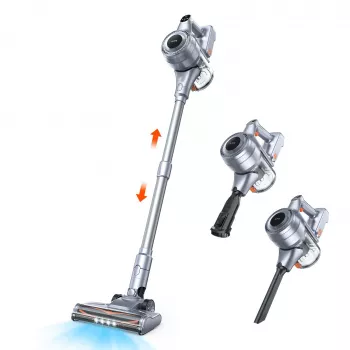
One underrated detail: keeping your gear clean makes issues easier to spot (hairline cracks, bent props, dust inside vents). A small cleanup tool like the Powerful Cordless Handheld Vacuum Cleaner with LED Light & 40-Min Runtime can help clear debris from a case or work area so maintenance stays quick and consistent.
Range and Signal Tips That Actually Help
Also factor in rules and local constraints before attempting extended distance flights. The FAA’s guidance is a solid starting point for safe operations: Federal Aviation Administration (FAA) — Drone safety and regulations. For radio equipment fundamentals and authorization resources, see: FCC — Equipment authorization and radio frequency device guidance.
Who This Type of Quadcopter Fits Best
Advanced Long-Range FPV Quadcopter with Bluetooth: What to Expect
FAQ
Does Bluetooth increase the quadcopter’s flight range?
No. Bluetooth is mainly for short-range pairing and configuration; true flight range depends on the primary control link and FPV video link, antenna quality/placement, interference levels, and environmental conditions.
What limits long-range FPV performance the most?
Interference, obstacles/terrain, and antenna orientation are major factors, along with battery reserves and wind. Realistic planning—especially a firm turnaround point with margin—often matters more than the advertised range.
How can a safer failsafe be set up for distance flights?
Confirm and test receiver failsafe behavior at short range, then verify any GPS/return features (if available) are configured correctly. Use conservative thresholds and make sure the response is predictable before attempting extended flights.














Leave a comment