Extendable Manual Pole Saw (4.6–9.8ft) Pruning Tips
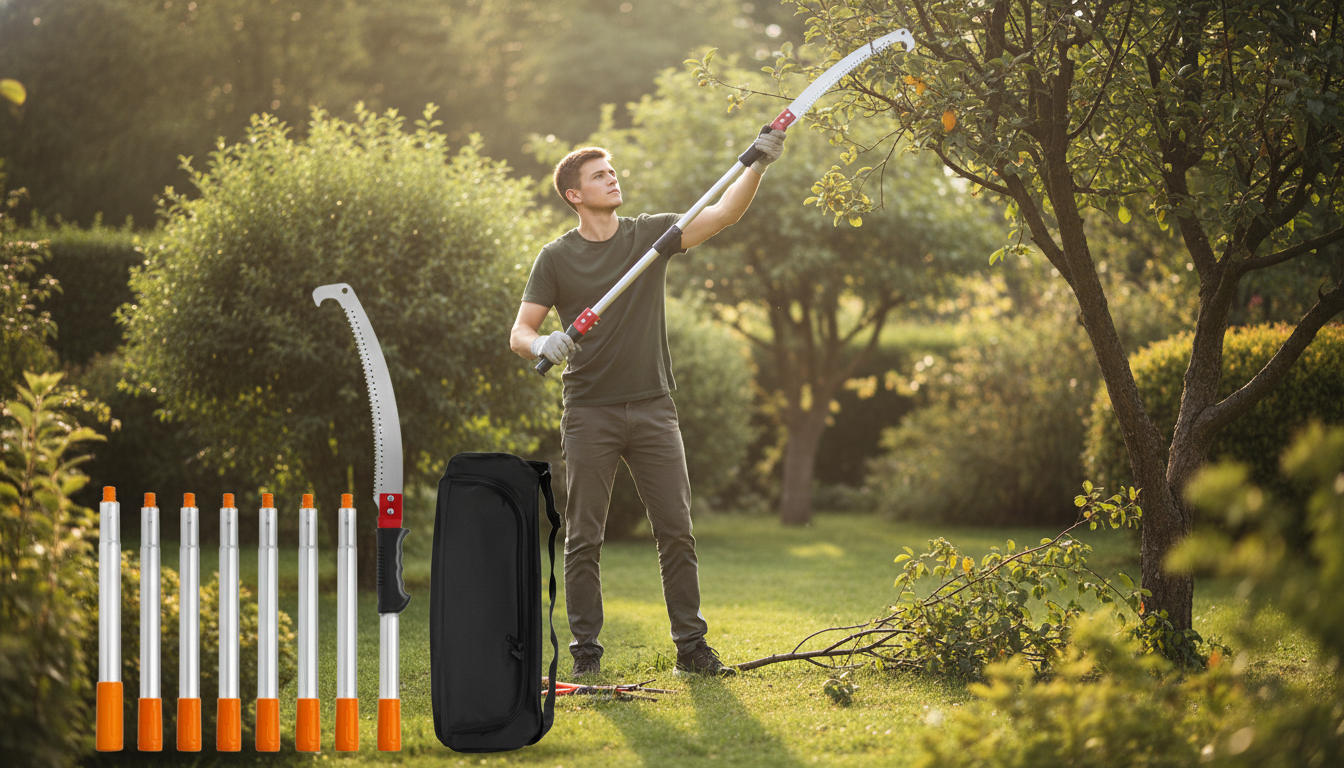
Manual Pole Saw 4.6–9.8ft: Clean Cuts for High Branches and Shrubs
A manual pole saw is a practical way to trim tall limbs and shape shrubs from the ground, reducing the need for ladders and powered tools. With an extendable pole, you can handle routine pruning, remove light deadwood, and tidy up growth around walkways and fences without dealing with charging, fuel, or cords. Below is a clear look at what a manual extendable pole saw does best, how to plan reach in a 4.6–9.8ft range, and how to get smoother cuts while staying safe.
What a manual extendable pole saw does well
Manual pole saws shine in everyday yard maintenance where convenience and control matter more than raw cutting speed. They’re especially handy for quick “touch-up” pruning that would feel like overkill with a motorized tool.
- Reaches overhead growth while keeping feet on the ground for many common trimming tasks.
- Helps remove small-to-medium branches cleanly when used with steady, controlled strokes.
- Works for both canopy touch-ups and shrub shaping, especially for spot pruning and cleanup.
- Requires no charging, fuel, cords, or motor maintenance—useful for occasional pruning or quiet neighborhoods.
For guidance on where and how to cut for long-term plant health, resources like University of Maryland Extension and the International Society of Arboriculture (ISA) provide pruning best practices that apply to most home landscapes.
Fit and reach: matching pole length to the job
An adjustable 4.6–9.8ft pole range fits many typical residential yards because it covers two very different needs: short-and-steady control for shrubs, and extra reach for overhead cleanup. The trick is treating extension length as a tool for stability, not as a challenge to reach as far as possible.
- An adjustable 4.6–9.8ft pole range suits many yards: shorter length for control on shrubs; extended length for overhead branches.
- Real working height depends on user height and arm reach; allow extra distance for safe clearance and blade angle.
- Longer extension increases leverage demands—plan for slower cuts and more frequent breaks when fully extended.
- Choose a working position that keeps the cutting head slightly in front of the body to avoid branches dropping straight down.
| Task | Suggested pole setting | Notes for control |
|---|---|---|
| Shrub shaping and low branches | 4.6–6.5ft | Shorter length improves accuracy and reduces wobble |
| Small overhead limbs near eye level | 6.5–8.5ft | Use smooth strokes; reposition instead of overreaching |
| Higher branch cleanup (from ground) | 8.5–9.8ft | Work slowly; keep a wide stance and clear drop zone |
Cut quality: how to get smoother, healthier pruning cuts
Cleaner cuts aren’t just about appearance. They reduce tearing, limit unnecessary wounds, and help a tree or shrub seal off the cut area more effectively over time. A manual pole saw can produce surprisingly neat results when the blade is sharp and your strokes stay aligned.
- Cut on the outside of the branch collar (the slight swelling where branch meets trunk) to support natural healing.
- Use a two-step approach for heavier limbs: make a shallow undercut first, then finish the cut from above to reduce bark tearing.
- Avoid twisting the blade mid-cut; keep strokes aligned with the branch to prevent binding.
- For repeated trimming, keep the blade clean and dry; sap buildup can increase friction and ragged cuts.
Safe technique without relying on a ladder
When you do use any ladder for related cleanup, follow basic ladder safety practices (including stable footing and not overreaching). OSHA’s overview is a helpful refresher: OSHA Ladder Safety.
What to look for in an extendable tree pruner
Product spotlight: Manual Pole Saw 4.6–9.8ft, Extendable Tree Pruner
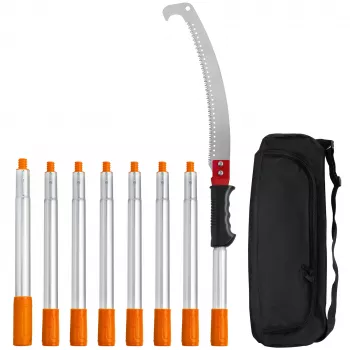
If you’re looking for a straightforward, no-fuss pruner for recurring yard chores, the Manual Pole Saw 4.6-9.8ft, Extendable Tree Pruner for High Branches & Shrubs is built around the practical range most homeowners use: short enough to stay steady on shrubs and low limbs, and long enough for overhead cleanup when needed.
| Detail | Value |
|---|---|
| Pole range | 4.6–9.8ft |
| Type | Manual pole saw / extendable pruner |
| Recommended use | High branches and shrubs maintenance |
| Availability | In stock |
| Price | $40.97 |
Helpful add-on for cleanup
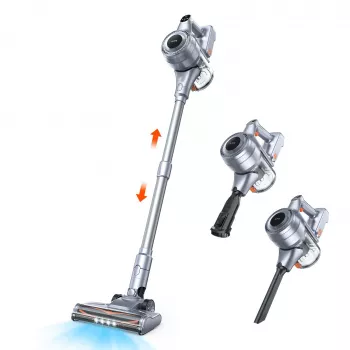
After pruning, patios, steps, and garage floors often end up covered in dry leaves, sawdust, and bits of bark. For quick indoor/outdoor pickup, a compact option like the Powerful Cordless Handheld Vacuum Cleaner with LED Light & 40-Min Runtime can make it easier to finish the job without dragging out a full-size vacuum.
Care, storage, and seasonal timing
FAQ
How thick of a branch can a manual pole saw cut?
Manual pole saws typically handle small-to-medium branches best, especially when the blade is sharp and the pole is kept as short as practical for control. If the limb is large, very hard, or requires heavy force at full extension, switch to a more appropriate tool or hire a professional for safer removal.
Is it safer to use a pole saw than a ladder for trimming high branches?
Working from the ground can reduce fall risk compared with ladder work, but overhead cutting still involves hazards like falling limbs and fatigue. Use a clear drop zone, stand off to the side of the fall line, and avoid any branches near power lines or beyond comfortable control.
How do you prevent bark tearing when removing a heavier limb?
Use an undercut first: make a shallow cut on the underside of the limb a short distance out, then finish from the top slightly farther out so the branch breaks cleanly without peeling bark. Complete the final cut just outside the branch collar with steady strokes and repositioning instead of forcing the blade.














Leave a comment