Flip Unlimited Scratching Board: Flip-to-Refresh Claw Care
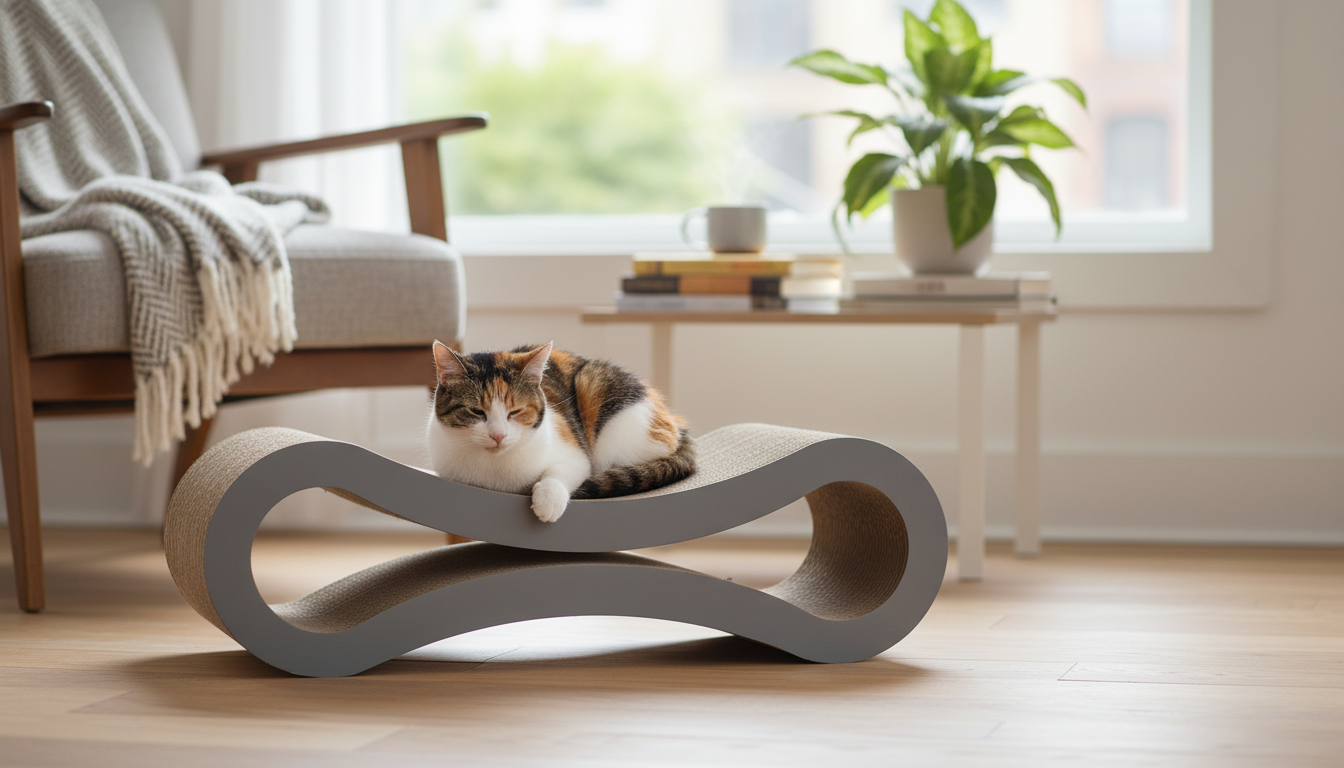
Flip Unlimited Cat Scratching Board: A Flip-to-Refresh Scratch Pad for Daily Claw Care
Cats scratch to stretch, mark territory, and keep claws healthy. The Flip Unlimited Cat Scratching Board is designed to make that routine easier to live with—offering a dedicated scratch surface that can be flipped to extend use, helping redirect scratching away from furniture while giving cats a satisfying place to dig in.
What It Is and Why Cats Use It
A scratching board is a simple idea with a big impact: it gives cats a consistent “yes” space for an instinct they’re going to do anyway. When a cat has a dependable scratch zone, it’s easier to steer them away from upholstery, rugs, and doorframes without constant conflict.
- A dedicated scratch board that gives cats a consistent, acceptable place to scratch.
- Supports natural behaviors: stretching, claw shedding, and scent marking.
- A flip-style design can help refresh the usable surface when one side wears down.
- Helps reduce household damage by offering an appealing alternative to upholstery and rugs.
Scratching is also communication. Cats leave both visual marks and scent from glands in their paws, which is one reason high-traffic placement often beats hiding a scratcher in a back corner. For broader behavior guidance, the ASPCA’s cat behavior tips can be a helpful reference.
Flip-Style Design: How Flipping Extends the Scratch Life
Many scratch pads get “dead spots” where the surface is flattened and less satisfying. A flip-style board helps you bring a fresher face into rotation without having to replace the entire scratcher as quickly.
- Flip to expose a less-worn surface when the current side looks shredded or compressed.
- Rotate the board’s orientation occasionally to distribute wear more evenly.
- Use placement strategy—near favorite nap spots or problem-scratch zones—to improve adoption.
- Pair with a brief play session so the board becomes part of a positive routine.
For cats who are persistent furniture scratchers, the “refresh” factor matters: when the scratcher keeps feeling good under their claws, it stays competitive with the couch.
Product Snapshot
The Flip Unlimited Cat Scratching Board is a mid-range scratch solution designed for repeated use—especially helpful when you want a single dedicated station that can be refreshed by flipping as it wears.
- Name: Flip Unlimited Cat Scratching Board
- Availability: In stock
- Best for: everyday scratching, redirecting furniture scratching, multi-cat households that wear through scratchers quickly
- Price point: mid-range scratch solution designed for repeated use
Flip Unlimited Cat Scratching Board at a Glance
| Feature | Details |
|---|---|
| Product | Flip Unlimited Cat Scratching Board |
| Price | 52.97 USD |
| Stock status | In stock |
| Use pattern | Flip/refresh the scratch surface as it wears |
| Primary purpose | Dedicated scratch zone to protect furniture |
Where to Place It for the Best Results
Placement is often the difference between “my cat ignores it” and “my cat loves it.” Cats tend to scratch where they already spend time, where they can stretch fully, and where their scent-marking will be “noticed.”
- Put it near the most-scratched furniture first; once the habit shifts, move gradually if needed.
- Place in social areas (living room) rather than hidden corners—many cats scratch to communicate presence.
- Near sleeping areas can work well, since cats often scratch after waking to stretch and loosen muscles.
- For multi-level homes, consider one scratch station per main area to prevent backsliding.
If your cat targets one specific couch arm or rug edge, start by placing the board directly adjacent to that spot. After a week or two of consistent use, you can test small, gradual moves to a more convenient location—without abruptly removing the cat’s preferred scratching “address.”
Getting a Cat to Actually Use It
Most cats will try a scratcher naturally, but a little onboarding speeds things up—especially for adults with established habits. The goal is to make the first few interactions rewarding so the board becomes the default outlet.
- Introduce with play: drag a wand toy across the board so paws land on the surface naturally.
- Use a small sprinkle of catnip (if the cat responds to it) to increase initial interest.
- Reward the first few successful scratches with a treat or attention to reinforce the behavior.
- Avoid punishment near “off-limits” items; instead, calmly redirect to the board and reward the switch.
For households considering declawing due to scratching damage, many veterinarians and animal welfare groups recommend exploring enrichment and environmental solutions first. The AVMA’s declawing policy provides important context and encourages alternatives when feasible.
Care, Cleanup, and When to Flip or Replace
If you want a fast way to pick up scattered scratch debris in between deeper cleanings, a compact handheld vacuum can help—especially in apartments or living rooms where you don’t want to drag out a full-size machine. The Powerful Cordless Handheld Vacuum Cleaner with LED Light & 40-Min Runtime is an in-stock option that’s easy to grab for quick touch-ups around pet stations.
Household Fit: Who It’s For
FAQ
How do you get a cat to stop scratching the couch and use the board instead?
Place the board right next to the couch corner your cat targets, then make the board more rewarding with play or a small amount of catnip. Reward any scratching on the board immediately, and temporarily cover or block the couch spot while the new habit becomes consistent.
How often should a scratching board be flipped or replaced?
Flip it when one side looks flattened, heavily shredded, or less resistant to scratching. Replace it once both sides are worn down enough that your cat can’t get a satisfying “grab,” or if it starts shedding excessively.
Is a scratching board enough for claw care?
Scratchers help with natural claw shedding and stretching, but some cats still need regular nail trims. A veterinarian or groomer can recommend a safe schedule based on your cat’s age, activity level, and claw growth.















Leave a comment