Luxury Interior Design Checklist: Elegant Room-by-Room
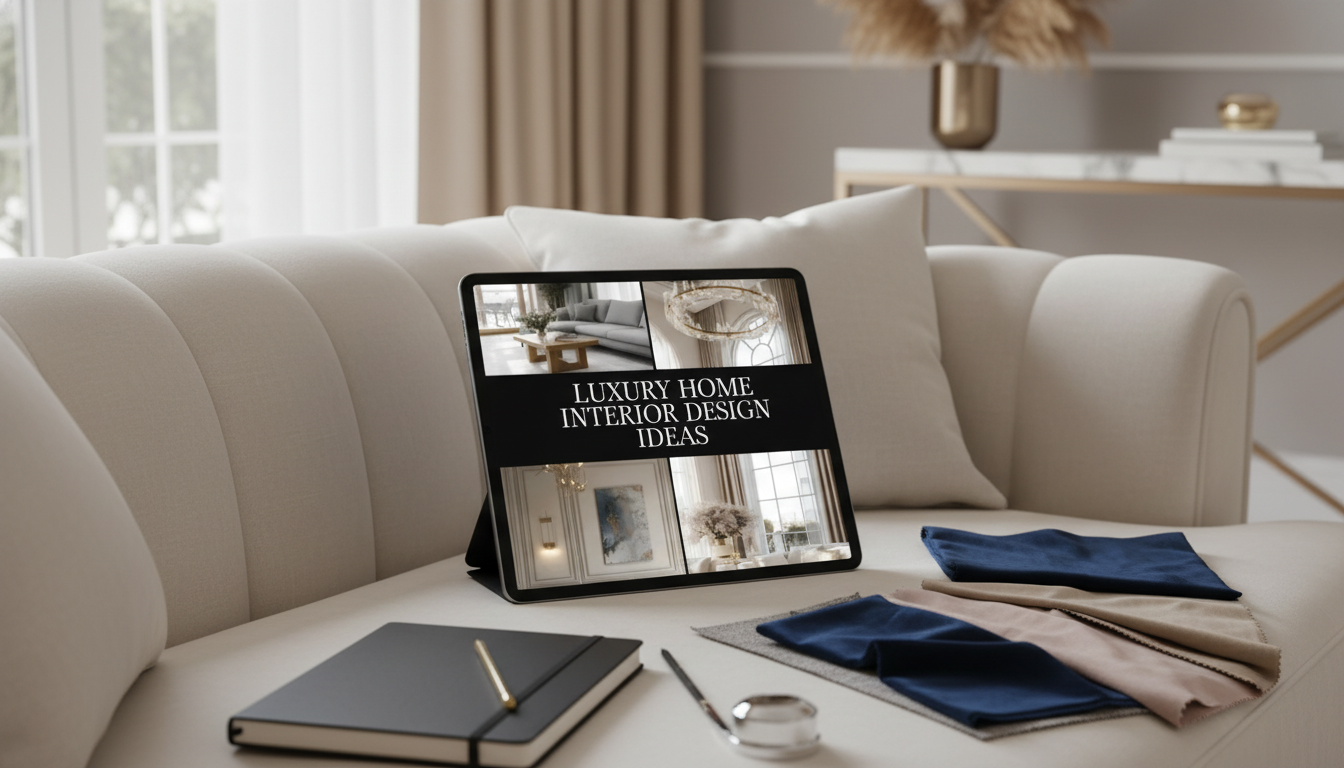
Luxury Home Interior Design Ideas Checklist for Elegant Living
Elevated interiors feel effortless, but they’re built from a sequence of smart decisions: a clear style direction, disciplined proportions, refined materials, layered lighting, and finishing touches that look curated rather than crowded. This checklist-style guide organizes luxury design choices into practical steps—suited to modern glam, classic elegance, Art Deco flair, and contemporary minimalism—so each room reads cohesive, intentional, and timeless. For more guidance, see Art Deco – Wikipedia.
Define the luxury direction: one lead style, two supporting notes
Luxury starts with clarity. Pick one primary “lane” (modern glam, classic elegance, Art Deco, or contemporary minimalism) and let it anchor every choice—especially the big-ticket items like rugs, sofas, and lighting. For further reading, see Best Interior Design Books You Need To Download Today For Free!.
- Choose one primary style lane to guide silhouettes, finishes, and color.
- Add up to two supporting notes (example: “modern glam + minimal base,” or “Art Deco + contemporary restraint”).
- Write simple style rules: preferred metals (brass vs. chrome), dominant neutrals, and one signature material (stone, lacquer, velvet, oak).
- Create a “no-go” list to prevent visual noise (too many finishes, busy patterns everywhere, undersized art, mismatched wood undertones in one sightline).
Style map: signature elements by look
| Look | Best base palette | Signature materials | Finishes | Key shapes |
|---|---|---|---|---|
| Modern glam | Cream, taupe, charcoal | Velvet, glass, marble | Brass, polished nickel | Curves, fluting, rounded corners |
| Classic elegance | Warm whites, soft greige | Linen, oak, stone | Antique brass, aged bronze | Symmetry, tailored silhouettes |
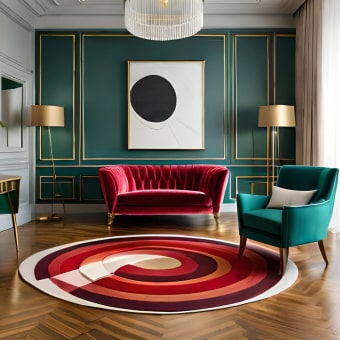
| Art Deco | Black, ivory, jewel tones | Lacquer, mirror, rich woods | Gold, chrome | Sunburst, chevrons, stepped forms |
| Contemporary minimalism | White, sand, muted gray | Plaster, matte stone, light wood | Matte black, brushed steel | Clean lines, negative space |
Luxury planning essentials: scale, flow, and focal points
Many rooms miss the “high-end” mark for one reason: the anchors are too small, too many, or fighting each other. A quick plan fixes most of it before you buy a thing.
- Start with a measured floor plan (even a clean sketch) and note key sightlines from the entry.
- Assign one focal point per room (fireplace, view, statement art, headboard wall) to avoid competing features.
- Prioritize generous circulation paths and consistent clearances around seating, dining, and bed zones.
- Choose fewer, larger anchors (sofa, rug, bed, dining table) instead of many small pieces that dilute impact.
- Use symmetry when it serves the look (classic elegance, Deco) and balanced asymmetry for modern spaces.
Color and material checklist: depth without clutter
Luxury reads as “quietly complex”: intentional layers, restrained contrast, and tactile variety. The goal is richness without busy-ness.
- Build a three-layer palette: base neutral, secondary neutral, and one accent (deep green, ink navy, jewel tone, or warm terracotta).
- Limit metals to one dominant finish plus one supporting finish, and repeat each at least twice.
- Mix contrasts: matte + gloss, soft + structured, smooth stone + nubby textiles.
- Use natural materials (or convincing high-quality alternatives) for the most-touched surfaces: flooring, countertops, hardware.
- Add controlled pattern: one hero pattern (rug or drapery) plus one micro-pattern (pillow or textured wallcovering).
Lighting that reads high-end: layered and dimmable
Lighting is the fastest way to shift a home from “fine” to “finished.” A layered plan creates depth, highlights architecture, and makes evenings feel expensive.
- Plan three layers: ambient (general), task (functional), and accent (art/architectural/shelf lighting).
- Put most lights on dimmers for a polished, hospitality-level glow.
- Keep warm, flattering color temperatures consistent within each room (the American Lighting Association is a helpful reference for lighting fundamentals).
- Place statement fixtures where they’ll be seen: entry, dining, living room, primary bedroom.
- Use accent lighting to reveal texture—grazing a wall, washing drapery, or spotlighting art.
Room-by-room luxury checklist
Style-specific upgrades: pick the moves that match your lane
Modern glam: polish, sheen, and softness in balance
Classic elegance: timeless proportion and quiet richness
Art Deco: geometry, contrast, and statement moments
- Use one strong Deco motif (chevron, sunburst, stepped forms) rather than stacking multiple patterns.
- Lean into contrast (black/ivory) with one jewel-tone accent for drama; for historical context, see The Met’s Art Deco overview.
- Choose bold lighting silhouettes and sculptural furniture with crisp geometric profiles.
- Repeat metallics with intention—gold or chrome across lighting, hardware, and one standout mirror frame.
Contemporary minimalism: restraint, texture, and negative space
Finishing details that elevate everything
Shop and plan with fewer second guesses
For a clean, repeatable process, a checklist keeps decisions consistent from room to room—especially for finishes, lighting layers, and anchor-piece scale. For a step-by-step, printable approach, use the Luxury Home Interior Design Ideas Checklist (digital download) as a quick filter while you measure, compare options, and commit.
To keep luxury looking fresh day-to-day, streamlined upkeep matters too. A targeted tool like the Powerful Cordless Handheld Vacuum Cleaner with LED Light & 40-Min Runtime helps maintain crisp rugs, upholstered seating, and hard-to-reach corners without dragging out larger equipment.
FAQ
What makes a home look luxurious without a full renovation?
Prioritize scale (larger anchor pieces and properly sized art), layered lighting on dimmers, and a consistent finish story. Upgraded textiles, edited décor, and refined touchpoints like hardware and faucets make a noticeable difference quickly.
How many metals and wood tones should be used in one space?
Use one dominant metal and one supporting metal, repeating each at least twice so it looks intentional. Keep wood tones within a compatible undertone range (warm with warm, cool with cool) and avoid mixing several distinct tones in the same sightline.
How can modern glam and minimalism work together?
Start with a minimal base palette and strong negative space, then add a few high-impact glam elements like one statement light and one plush texture. Keep reflective surfaces selective, and maintain clean lines so the room reads polished rather than busy.










Leave a comment