Outdoor Fabric Care: Clean, Prevent Mildew & Protect
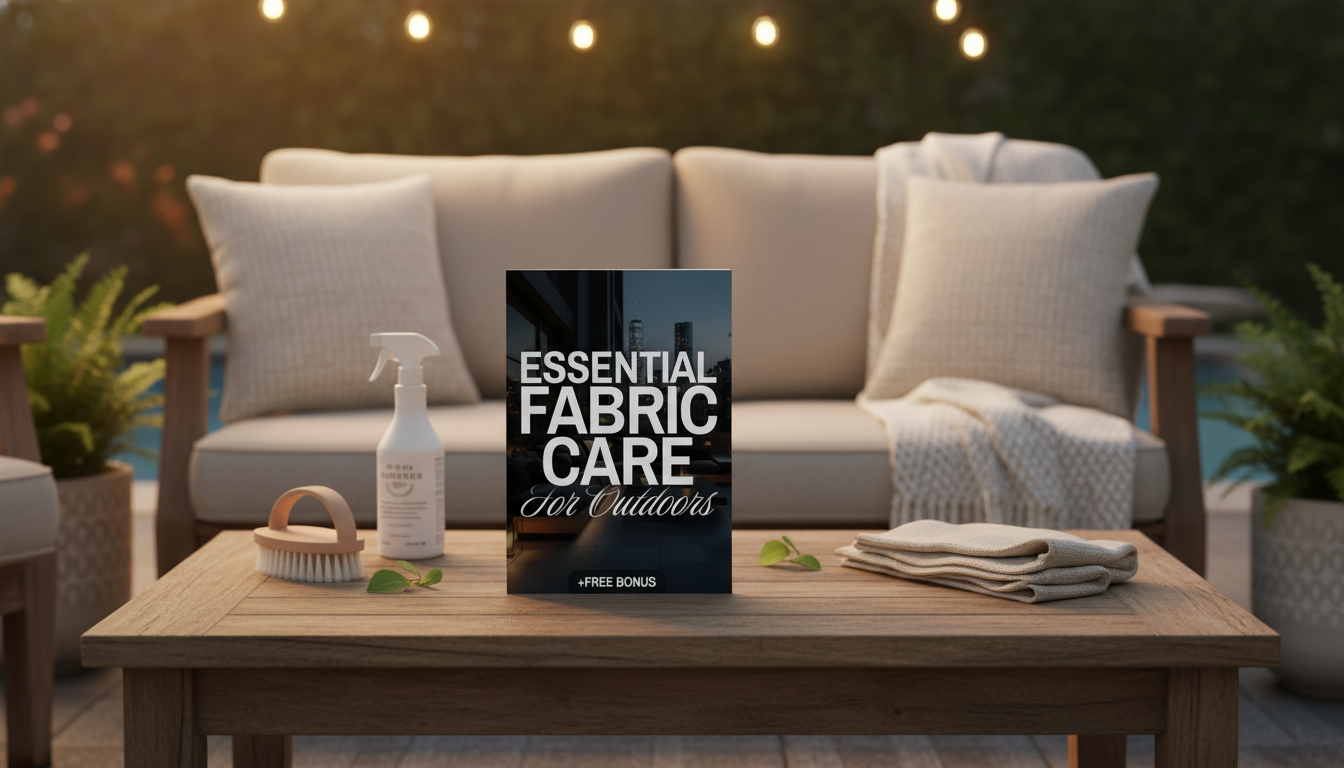
Essential Fabric Care for Outdoors: Clean, Protect, and Extend the Life of Outdoor Fabrics
Outdoor cushions, umbrellas, awnings, and performance gear face sun, rain, pollen, salt, and everyday spills—often all in the same week. The right care routine helps prevent fading, mildew, fiber breakdown, and lingering odors while keeping fabrics comfortable and good-looking season after season. Use the steps below to match cleaning methods to fabric type, tackle stains safely, restore water repellency, and store items the right way so outdoor textiles last longer with less effort.
What outdoor fabrics are up against (and why care routines matter)
Outdoor textiles fail faster when grime and moisture are allowed to linger. A few consistent habits—rinsing, drying, and gentle cleaning—reduce the need for aggressive chemicals and scrubbing later.
- UV exposure breaks down dyes and fibers over time; regular rinsing and shade habits slow fading and brittleness.
- Moisture plus organic debris (pollen, leaf tannins, sunscreen) creates ideal conditions for mildew; drying and airflow are as important as cleaning.
- Abrasive dirt acts like sandpaper on fibers; frequent light cleaning reduces wear better than occasional harsh scrubbing.
- Salt and chlorine residues can weaken fibers and coatings; rinse after beach/pool use before stains set.
- Improper products (bleach on the wrong fiber, strong solvents, high heat) can strip finishes or cause delamination on laminated fabrics.
Common outdoor fabrics and care priorities
| Fabric type | Typical uses | Main risks | Safest routine (baseline) |
|---|---|---|---|
| Solution-dyed acrylic | Patio cushions, umbrellas | Surface mildew, body oils, airborne grime | Brush off debris, mild soap wash, thorough rinse, air-dry; reapply water repellency when wetting-out occurs |
| Polyester / olefin blends | Outdoor pillows, covers | Oil stains, UV fading on some dyes | Cool-water wash with gentle detergent, spot-treat oils, avoid high heat; consider UV protectant spray if recommended |
| Vinyl / coated fabrics | Marine seating, protective covers | Cracking, sticky residue, solvent damage | Wipe with mild soap and water, rinse, dry; avoid harsh cleaners and petroleum solvents |
| Canvas / cotton blends | Tents, tarps, bags | Mildew, shrinkage, coating loss | Hand wash or gentle cycle, avoid hot water; dry fully; reproof as needed with fabric-appropriate product |
| Technical laminates (e.g., PU-backed) | Rain gear, some awnings | Delamination, heat damage | Gentle cleaning, no fabric softener, low/no heat drying; avoid aggressive scrubbing |
A simple care schedule that prevents most problems
Most outdoor fabric damage comes from “set it and forget it” exposure. A light schedule keeps soil from becoming permanent and moisture from turning into mildew.
- Weekly during heavy use: quick brush-off + rinse to remove dust, pollen, and bird droppings before they bond.
- Monthly: mild soap cleaning (especially on light colors) to prevent soil buildup that feeds mildew and causes dinginess.
- After storms or heavy dew: unzip/remove covers if possible, promote airflow, and dry cushions on edge to drain seams and piping.
- Seasonally: deep clean, inspect seams and zippers, refresh water repellency, and address small tears before they spread.
- After beach/pool days: rinse salt/chlorine promptly; let items dry completely before stacking or storing.
Cleaning basics: the safest method for most outdoor textiles
When care labels allow, this general method works well for many cushion covers, umbrellas, and outdoor pillows. For fabric-specific guidance, many manufacturers publish cleaning steps (for example, see Sunbrella’s cleaning guide).
Tools that make routine cleaning easier
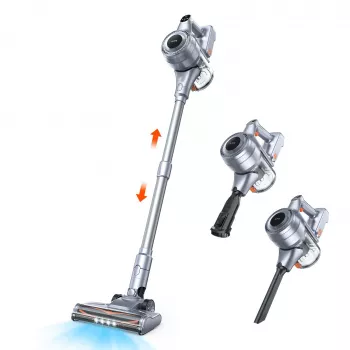
Frequent light cleanups are easier when debris is removed before it turns into a scrub job. A compact vacuum can pull grit from seams and piping without rough brushing. Consider keeping a small vacuum with your patio supplies, such as the Powerful Cordless Handheld Vacuum Cleaner with LED Light & 40-Min Runtime.
Stain and problem-spot playbook (mildew, sunscreen, sap, rust, food, and more)
- Mildew: remove surface growth outdoors, clean with a fabric-safe solution, rinse thoroughly, and dry fully; fix the moisture source (drainage, airflow, storage habits). For background on mold and moisture control, reference EPA Mold Basics and CDC mold information.
- Sunscreen and body oils: pre-treat with an appropriate stain lifter, blot rather than smear, and avoid heat until the stain is gone.
- Tree sap and pitch: chill to harden if possible, lift gently, then spot-clean; test any solvent-like product on an inconspicuous area first.
- Rust: use a rust remover formulated for textiles where appropriate; do not scrub aggressively—rust can spread.
- Wine, coffee, berries: blot immediately, flush with cool water from the back side if practical, then wash with mild soap.
- Bird droppings: remove solids first, then clean; prompt action reduces staining and odor.
- Always patch-test: check for color transfer and coating sensitivity before applying any concentrated cleaner.
Protective finishes: water repellency, UV protection, and when to reapply
Storage and off-season care that prevents mildew and creasing
A practical guide for outdoor fabric care (digital download)
For a repeatable routine—especially when you’re caring for different materials across cushions, umbrellas, covers, and performance textiles—keep a simple reference on hand. Essential Fabric Care for Outdoors (digital download) organizes weekly, monthly, and seasonal care steps, plus quick responses for spills and mildew-prone conditions, so it’s easier to avoid mismatched cleaners, over-scrubbing, trapped moisture, and improper drying.
FAQ
How often should outdoor cushions be cleaned?
During the main season, brush off debris and do a quick rinse weekly, then wash with mild soap about once a month. Plan a deeper clean seasonally, and clean more often in high humidity, heavy pollen, or if pets and sunscreen are frequent.
What’s the best way to prevent mildew on outdoor fabric?
Keep moisture from lingering: remove wet covers, increase airflow, and let cushions and fabrics dry fully after rain or cleaning. Regularly clearing pollen and debris helps too, since mildew is mostly a moisture-management problem.
When should water repellency be restored on outdoor fabrics?
Restore it when water stops beading and starts soaking in (wetting out). Clean and dry the fabric first, apply a fabric-appropriate protectant evenly, and let it fully cure before using or storing.














Leave a comment