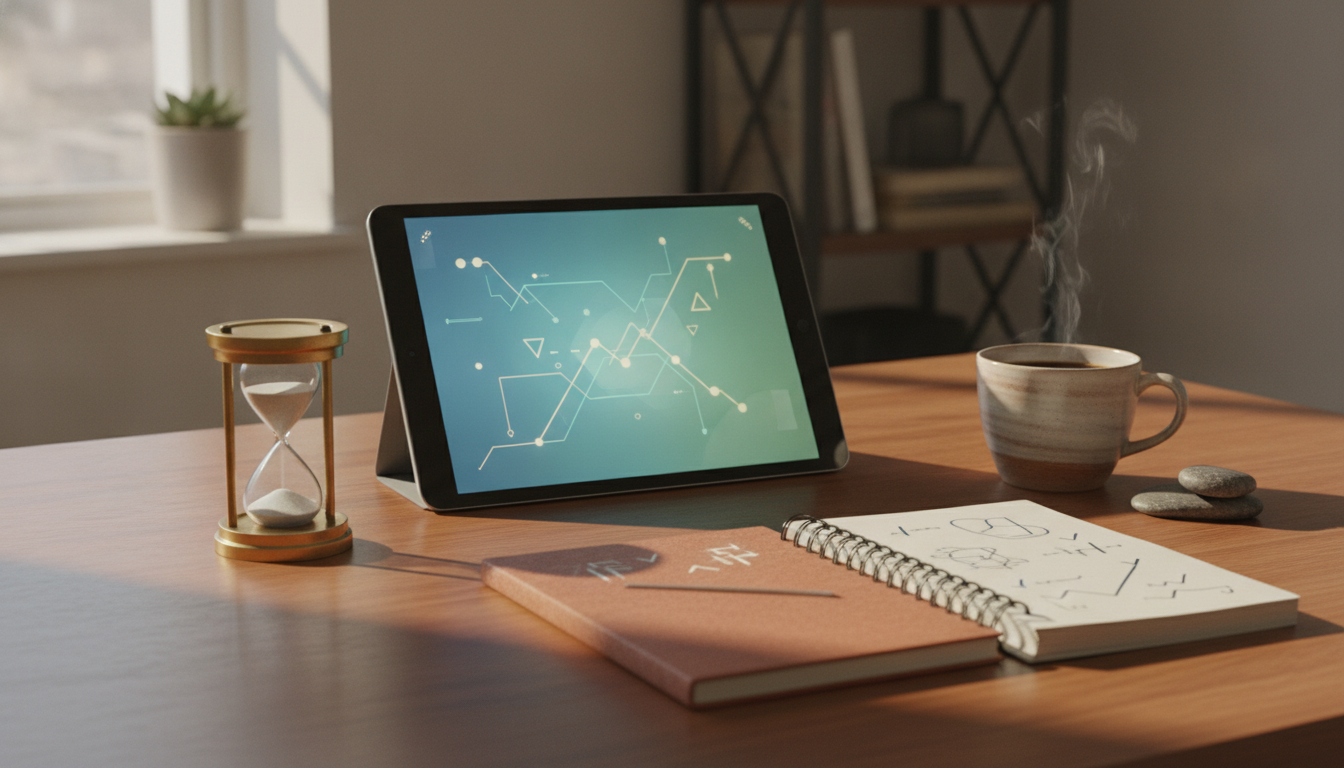
Self-discipline becomes easier when it’s treated as a system, not a personality trait. Small, repeatable practices—anchored to clear cues and realistic goals—create momentum that lasts through low-motivation days. The goal isn’t a perfect streak; it’s a repeatable setup that makes daily progress feel obvious, light, and doable.
Most disciplined days don’t look heroic. They look ordinary: picking the next best action when energy is low, using defaults to avoid decision fatigue, and setting up your environment so the “right” choice requires less effort than the distracting one.
A helpful definition of self-control is the ability to regulate behavior in service of longer-term goals, even when a short-term urge shows up. The APA Dictionary of Psychology frames it as a form of regulation—something you can support with routines and context, not something you “either have or don’t.”
Consistency grows fastest when the habit is small enough to survive stressful days. The “steady sparks” approach is about making the minimum version so easy that skipping feels harder than doing it—then upgrading only after the routine is stable.
| Goal area | Minimum habit (2 minutes) | When to do it | Upgrade after consistency |
|---|---|---|---|
| Focus & work | Open task list and pick 1 priority | Start of workday | 25-minute deep work block |
| Health | Fill a water bottle | After waking | 10-minute walk |
| Learning | Read 1 page / watch 3 minutes | After lunch | 15 minutes study session |
| Home | Put 5 items away | Before bed | 10-minute reset |
| Money | Check account balance | After dinner | Categorize 3 transactions |
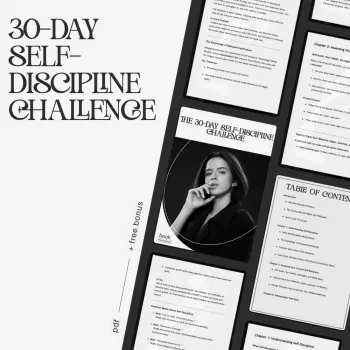
If you like a structured, reusable template for building these “minimums” (plus cues, rewards, and tracking), Steady Sparks of Self-Discipline (digital download) is designed to keep the system simple enough to repeat—even when you’re tired.
When a habit is hard to start, it’s usually not a character problem. It’s a design problem. Behavior research emphasizes that when motivation is low, the simplest path wins—so your job is to make the desired action the easiest available option. The Stanford Behavior Design Lab highlights how behavior becomes more likely when it’s easier to do at the moment it matters.
Two simple environment upgrades can make this feel effortless: sound and space. For focus sessions, Hi-Res Dynamic In-Ear Earphones for focused work sessions can help create a consistent “work cue” through a dedicated playlist or white noise. For a calmer, habit-friendly room setup, Golden Flowers decorative wall stickers can refresh a corner into a more inviting, low-clutter routine zone.
Discipline gets easier when it’s baked into the day as tiny rituals. Think of these as “bookends and checkpoints” that keep you from drifting—without demanding intense willpower.
Sleep is a major multiplier for self-regulation. The CDC’s sleep resources outline how sleep affects daily functioning—if your discipline feels “mysteriously” harder, improving sleep consistency can be a practical first move.
If you want a ready-made structure with prompts and tracking, Steady Sparks of Self-Discipline is built for repeatability: short daily prompts, clear rules, and a weekly check-in loop that keeps progress steady without overthinking.
There isn’t one universal timeline; consistency improves faster when the habit is small, tied to a clear cue, and repeated in the same context. Focus on repetitions and reducing friction rather than chasing a specific number of days.
Reset by returning to the minimum habit, anchoring it to one reliable routine (like after coffee), and removing one distraction. Aim for a quick win today and prioritize preventing a second consecutive miss.
Yes—prompts, checklists, and simple tracking support action when motivation is low by telling you exactly what “done” looks like. Reusable templates also make it easier to restart quickly for new goals without reinventing your system.




Leave a comment