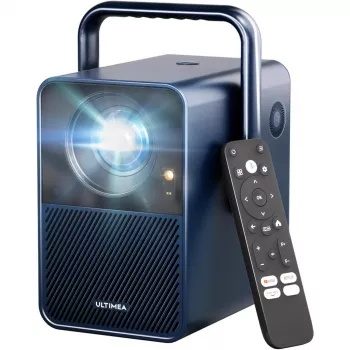
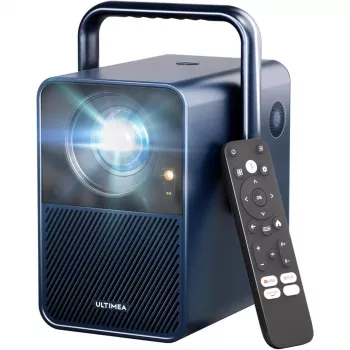
A bright, feature-rich projector can replace the living-room TV, power backyard movie nights, and simplify streaming without extra boxes. This 4K Android projector pairs 1000 ANSI lumens for more usable brightness with built-in smart features and Dolby Audio for a cleaner, more immersive soundstage—designed for quick setup and everyday viewing. For more guidance, see QKK Projector.pdf.
If you want a single device that covers streaming, big-screen playback, and flexible placement, this projector is designed to keep the setup simple while still delivering a cinematic feel. For further reading, see Library of Things.
For shoppers who want the streamlined, “TV-like” experience without losing the fun of a large projected image, the 4K Android Projector with 1000 ANSI Lumens, Dolby Audio & Smart Features fits naturally into a living room, bedroom, or den—then easily relocates for weekends outside.
Specs are only helpful when they translate into real-world viewing. Here’s how the headline features typically affect day-to-day use.
| Spec | What it affects | Practical takeaway |
|---|---|---|
| 1000 ANSI lumens | Perceived brightness on screen | More comfortable viewing in rooms with some light; best results still come from dimming lights |
| 4K playback support | Detail, edges, and texture | Cleaner text and sharper fine details on larger screens compared with lower-resolution sources |
| Dolby Audio | Sound processing and compatibility | Better dialog intelligibility and more spacious audio when paired with compatible content |
| Android smart system | Streaming and app access | Faster start-to-stream workflow; fewer external devices and remotes |
For a deeper explanation of standardized brightness ratings, ProjectorCentral’s overview of lumens is a helpful reference: Projector brightness explained (ProjectorCentral).
1000 ANSI lumens can feel impressively bright in a controlled space, but the best-looking image still comes down to how you use that light.
If you’re watching with lamps on, consider moving the projector closer (for a slightly smaller image) and shifting room lighting behind the seating area rather than near the screen.
4K playback support is most noticeable on larger images—where fine textures, subtitles, and UI text can look cleaner and more stable.
A built-in Android smart system is about speed and simplicity: less time juggling HDMI inputs and more time watching.
For general setup help and troubleshooting, Google’s Android TV support resources can be useful: Android TV help (Google).
Built-in Dolby Audio processing can improve clarity and make everyday viewing sound cleaner—especially when voices need to cut through background music and effects. Dolby’s overview explains the intent behind Dolby Audio playback and processing: Dolby Audio.
For a more personal, late-night setup, consider pairing the projector with Hi-Res Dynamic In-Ear Earphones with MMCX Cable & Dual Plug Options to keep detail and clarity without waking the house.
If movie night becomes a recurring theme, pairing the setup with outdoor-friendly gear can round out the experience—like the 12″ Portable Outdoor Tri-Fuel Pizza Oven with Rotating Stone for a simple “dinner and a show” routine.
1000 ANSI lumens is generally usable with some ambient light, but contrast improves significantly when you dim lights. If the image looks washed out, reduce screen size a bit or consider a screen designed to handle ambient light.
No—source resolution, bitrate, and streaming compression matter a lot. True 4K content can look sharper, while lower-resolution video depends on the projector’s upscaling and your room setup (focus, screen surface, and lighting).
Dolby Audio processing can improve clarity and make built-in sound more enjoyable, especially for dialog. For deeper bass and a more room-filling presentation, external speakers, a soundbar, or headphones are still the better option, and audio delay settings can help if sync is off.




Leave a comment
You must be logged in to post a comment.