Compact Stainless Steel Rice Cooker & Warmer with One-Touch Operation (3-Cup Uncooked)
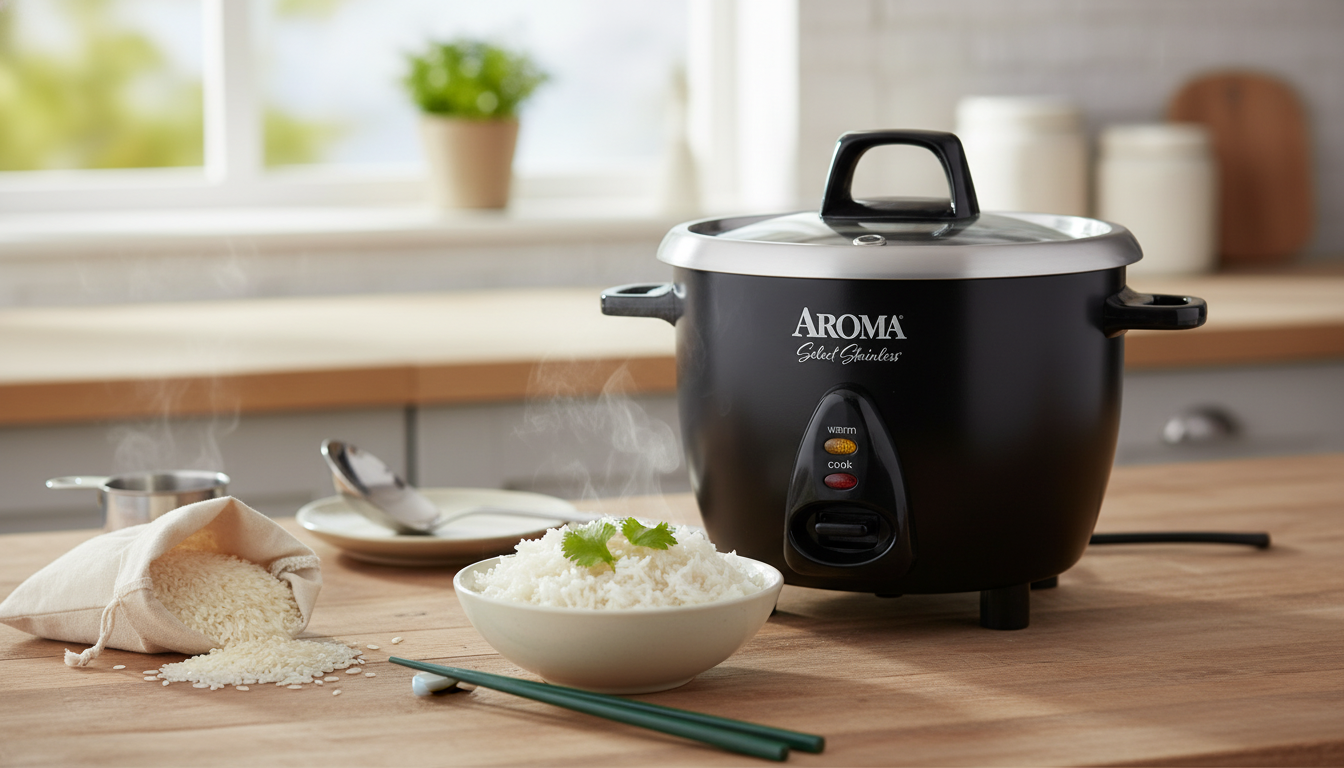
A compact rice cooker should be simple to use, easy to clean, and consistent with every batch—especially for small households, dorms, and meal prep. This stainless steel rice cooker and warmer focuses on one-touch cooking, a space-saving footprint, and an automatic warm function for ready-to-serve rice.
Quick look: what this rice cooker is built for
- Small-batch cooking: sized for up to 3 cups of uncooked rice (ideal for singles, couples, or side dishes).
- One-touch operation: start cooking with a single control for straightforward daily use.
- Cook-and-hold convenience: switches to warming after cooking to keep rice hot for serving.
- Compact countertop fit: designed for tight kitchens, dorm rooms, RVs, and office break rooms.
If the goal is dependable rice without fiddling with extra modes, a one-button design keeps things moving—measure, press, and come back to a warm pot that’s ready when dinner is.
Features that matter day to day
- Stainless steel construction: aims for durability and a clean, modern look that fits most kitchens.
- Automatic warming mode: helps prevent rice from going cold while waiting for the rest of the meal.
- Simple control scheme: fewer settings reduces guesswork for basic white rice and everyday grains.
- Batch size flexibility: suitable for cooking smaller portions more often instead of storing large leftovers.
For everyday use, the “best” feature is often the one that saves effort repeatedly. With small-capacity cookers, it’s easy to make fresh rice for bowls, stir-fries, or a quick side—without committing to a huge pot that lingers in the fridge all week.
Size and capacity: understanding “3-cup (uncooked)”
- Uncooked vs cooked volume: rice expands significantly as it cooks; the uncooked cup rating reflects dry measuring capacity.
- Portion planning: smaller capacities can reduce waste and keep rice fresher across the week.
- Best use cases: side dishes for 1–3 people, lunch prep, or frequent fresh batches rather than large family servings.
- Tip for consistency: measure rice and water the same way each time and rinse rice if preferred for texture.
Capacity guide for a 3-cup (uncooked) rice cooker
| Dry rice (uncooked) |
Typical cooked yield |
Serving idea |
| 1 cup |
About 2–3 cups cooked |
1–2 servings for bowls or sides |
| 2 cups |
About 4–6 cups cooked |
2–4 servings for meal prep |
| 3 cups (max) |
About 6–9 cups cooked |
Group side dish or multiple meals |
Cooked yield varies by rice type (white, jasmine, basmati, brown) and water ratio. For general technique and ratio guidance, Cook’s Illustrated offers a helpful overview of rice methods and measurements: https://www.americastestkitchen.com/cooksillustrated/how_tos/5696-how-to-cook-rice.
How to use one-touch cooking for consistent results
- Measure: use a consistent cup measure for rice and water; follow the cooker’s markings if included.
- Rinse (optional): rinsing can reduce excess surface starch for a cleaner, less sticky texture.
- Start: press the single control to begin cooking; avoid lifting the lid frequently during the cycle.
- Rest: after it switches to warm, let rice sit briefly to finish steaming for improved texture.
- Serve and store safely: cool leftovers promptly and refrigerate in shallow containers.
A small routine makes a noticeable difference: rinse if desired, use the same measuring method every time, and let the rice rest on warm for a few minutes before fluffing. That brief steam-settling step often improves texture more than adjusting ratios midstream.
For leftover handling timelines and cooling guidance, reference the USDA’s leftovers and food safety recommendations: https://www.fsis.usda.gov/food-safety/safe-food-handling-and-preparation/food-safety-basics/leftovers-and-food-safety.
Cleaning and care for stainless steel appliances
- Unplug and cool down: always allow the unit to cool before cleaning.
- Wipe exterior: use a soft damp cloth; avoid abrasive pads that can scratch stainless surfaces.
- Inner pot care: wash with mild soap and a non-scratch sponge; dry fully before reassembling.
- Odor control: occasional vinegar-water wipe-down can help with lingering aromas from rice or grains.
- Long-term upkeep: keep vents clear and avoid immersing the base in water.
When rice is part of a weekly routine, cleanliness is what keeps the cooker feeling “easy” instead of fussy. Drying the inner pot and lid area thoroughly before storage helps prevent lingering moisture smells and keeps the next batch tasting fresh.
Who this cooker suits best
- Dorms and small apartments: compact footprint with straightforward operation.
- Busy weeknights: set-and-forget cooking with warming for flexible dinner timing.
- Meal prep beginners: manageable batch sizes that make portions easy to plan.
- Minimalist kitchens: fewer controls and a clean stainless look that stores easily.
Value and availability snapshot
Shop the main pick here:
Compact Stainless Steel Rice Cooker & Warmer with One-Touch Operation – 3-Cup (Uncooked).
For quick cleanup around dry goods (rice, flour, breadcrumbs) and hard-to-reach kitchen corners, consider:
Powerful Cordless Handheld Vacuum Cleaner with LED Light & 40-Min Runtime.
FAQ
How much cooked rice does a 3-cup (uncooked) rice cooker make?
Uncooked rice typically expands to about 2–3 times its dry volume. That means 3 cups of dry rice usually yields roughly 6–9 cups cooked, depending on the rice variety and water ratio.
Does it automatically keep rice warm after cooking?
Yes—after the cooking cycle finishes, it switches to a warm mode to help keep rice hot for serving. For best texture, fluff the rice and keep the lid closed to retain moisture, and serve within a reasonable window.
Can it cook grains other than white rice?
It can handle many common grains with adjusted water amounts and cooking expectations (like brown rice or quinoa), though results can vary by grain and preferred texture. Start with smaller batches while dialing in the ratio that works best.
Recommended for you





Leave a comment