52-Inch Rolling Bird Cage Stand: Setup & Cleaning Tips
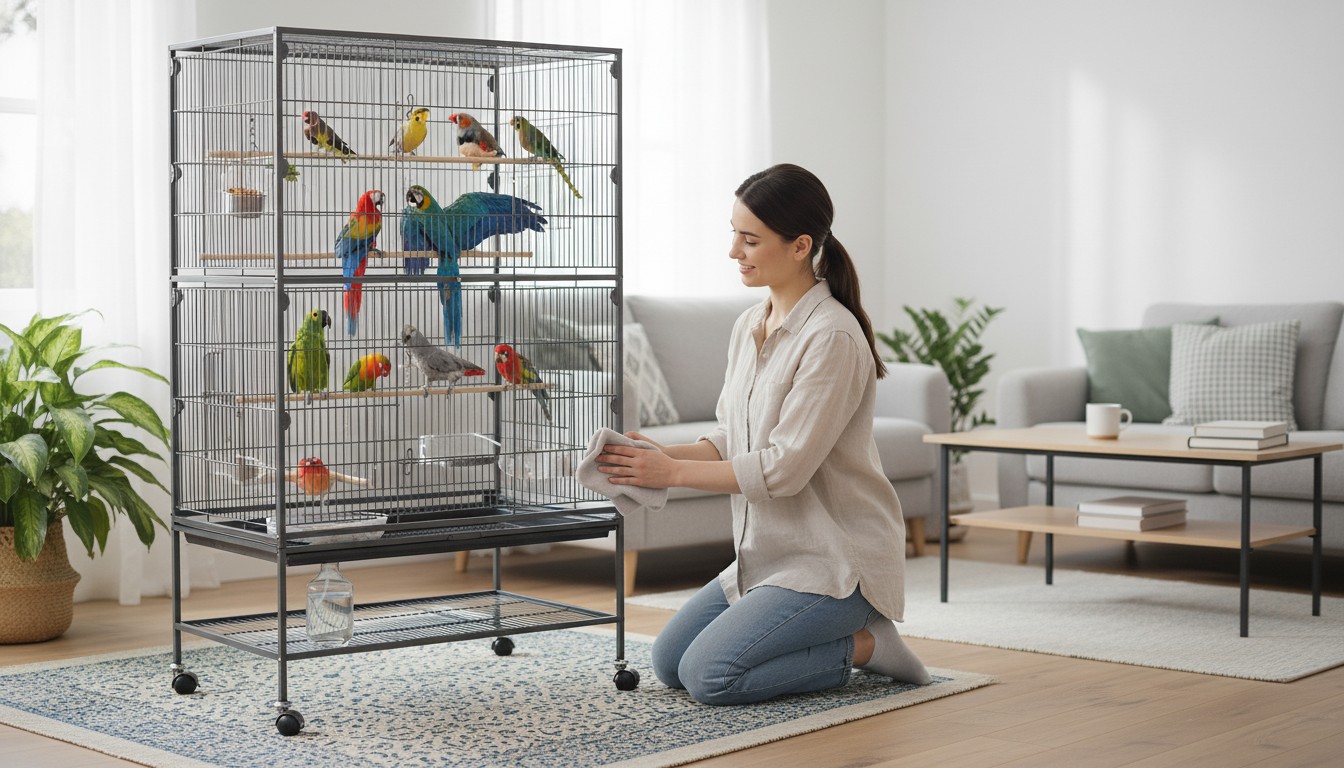
52-Inch Bird Cage with Rolling Stand: Space, Mobility, and Everyday Care
A tall cage on a wheeled stand can make day-to-day bird care easier—especially when cleaning, rearranging a room, or moving a cage away from drafts and direct sun. A 52-inch cage with a rolling stand offers a roomy vertical setup while helping you keep the habitat stable, comfortable, and simple to maintain. Below is a practical guide to placement, must-have features, interior setup, and routines that keep your bird’s space cleaner with less hassle. For more guidance, see Birdcage Round Bird Cages for Parakeets,Metal Cockatiels Cage ….
Why a rolling stand changes daily bird care
Mobility sounds like a convenience feature, but it can have real ripple effects on cleanliness and routine. Rolling a cage a few inches forward (instead of lifting or dragging) makes it easier to vacuum and wipe around the base where hulls and dust build up. That alone can reduce the “mess creep” that happens when cleanup feels like a project. For further reading, see How to Choose a Cage for Pigeons or Doves –.
Wheels also make placement more flexible. During cooking, open-window seasons, or heavy foot traffic, being able to reposition the cage helps you avoid fumes, drafts, and constant startle triggers. Many birds handle short, smooth moves better than being carried, especially if the cage stays level and the route is predictable.
A raised cage height can improve interaction, too. When the main living area sits closer to eye level, birds often feel more socially included, and the extra height can add a little separation from curious pets or small children.
Planning for a 52-inch cage in a real room
Before choosing a spot, measure for real-life use—not just the cage body. Include the stand base and the clearance you’ll need to fully open doors, swing feeders out, and remove trays without bumping walls or furniture. It also helps to leave enough “elbow room” for latching doors, carrying bowls safely, and changing liners without contorting.
Many birds settle best with one or two solid sides nearby, such as a wall or corner, while still being able to see household activity. Avoid kitchens (fumes, aerosols), direct midday sun through glass (overheating risk), and drafty hallways where doors open frequently. Flooring matters as well: casters glide best on hard floors, while carpet may benefit from a protective mat that improves stability and catches debris.
Quick placement checklist for a rolling cage
| Check | Why it matters | Quick tip |
|---|---|---|
| Door swing clearance | Prevents pinched fingers and reduces escapes during feeding/cleaning | Test-open the main door fully and mark the needed arc on the floor |
| Distance from cooking fumes | Bird respiratory systems are sensitive to airborne irritants | Keep cages out of kitchens and away from scented sprays |
| Draft and vent exposure | Constant airflow can chill birds and increase stress | Avoid direct line from AC/heat vents; use a deflector if needed |
| Light and sleep routine | Consistent day/night cues support healthy behavior | Provide bright daytime light and a quiet, darker area at night |
| Wheel lock stability | Prevents rolling during climbing, play, or door opening | Engage caster locks whenever the cage is parked |
Comfort and safety features that matter most
With taller cages, the basics matter even more because your bird will spend time climbing and moving between levels. Bar spacing and bar strength should match the species to prevent head or wing entrapment and reduce climbing injuries. If you’re unsure, consult a species-appropriate spacing guideline from an avian veterinarian or a trusted care organization.
Door security is another deal-breaker. Look for latches that close firmly and don’t loosen over time. For especially clever birds, a secondary clip can add peace of mind during busy routines. Multiple access doors can also reduce stress: instead of reaching deep into the cage and “chasing” a bird around perches, you can approach food bowls, toys, and perches from a more natural angle.
Setting up the interior: perches, bowls, and enrichment
For enrichment, include species-appropriate chewables and simple foraging options to reduce boredom-related behaviors. For broader care guidance, reputable references like the AVMA pet bird care page and the ASPCA bird care guide are helpful starting points.
Cleaning routines that stay manageable
Using the rolling stand safely
A closer look at available options
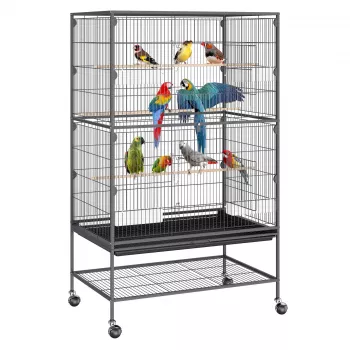
If you’re shopping for a tall cage with everyday flexibility, the 52-Inch Large Bird Cage with Rolling Stand is designed to provide a roomy vertical habitat while keeping the setup mobile for easier housekeeping and placement adjustments.
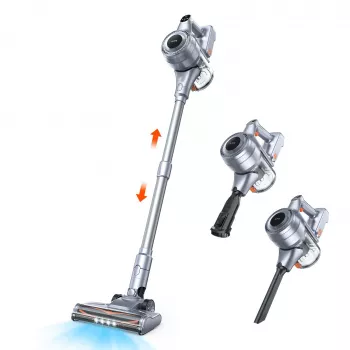
To make routine cleanup faster around the cage area, a compact handheld option like the Powerful Cordless Handheld Vacuum Cleaner with LED Light & 40-Min Runtime can be useful for capturing seed hulls and dust near the stand base and along edges of a floor mat.
FAQ
What birds are a 52-inch cage with a rolling stand best suited for?
Suitability depends on bar spacing, interior width, and your bird’s activity level. Many small-to-medium parrots can do well in a taller cage, but always confirm species-appropriate bar spacing and ensure there’s enough room for safe movement and wing clearance.
Do rolling cages stress birds out when moved?
Many birds tolerate gentle, slow movement, especially when the cage stays level and the route is smooth. Move only when necessary, avoid bumpy thresholds, and lock the wheels once parked to restore a stable, predictable environment.
How often should the tray and grate be cleaned?
Spot-clean daily and remove obvious mess as it happens. Most homes do best with tray liner changes several times per week and a full wash of the tray and grate about once a week, adjusting sooner if you notice odor, stuck debris, or damp buildup.














Leave a comment