Curved Furniture Styling: Easy Layout & Placement Tips
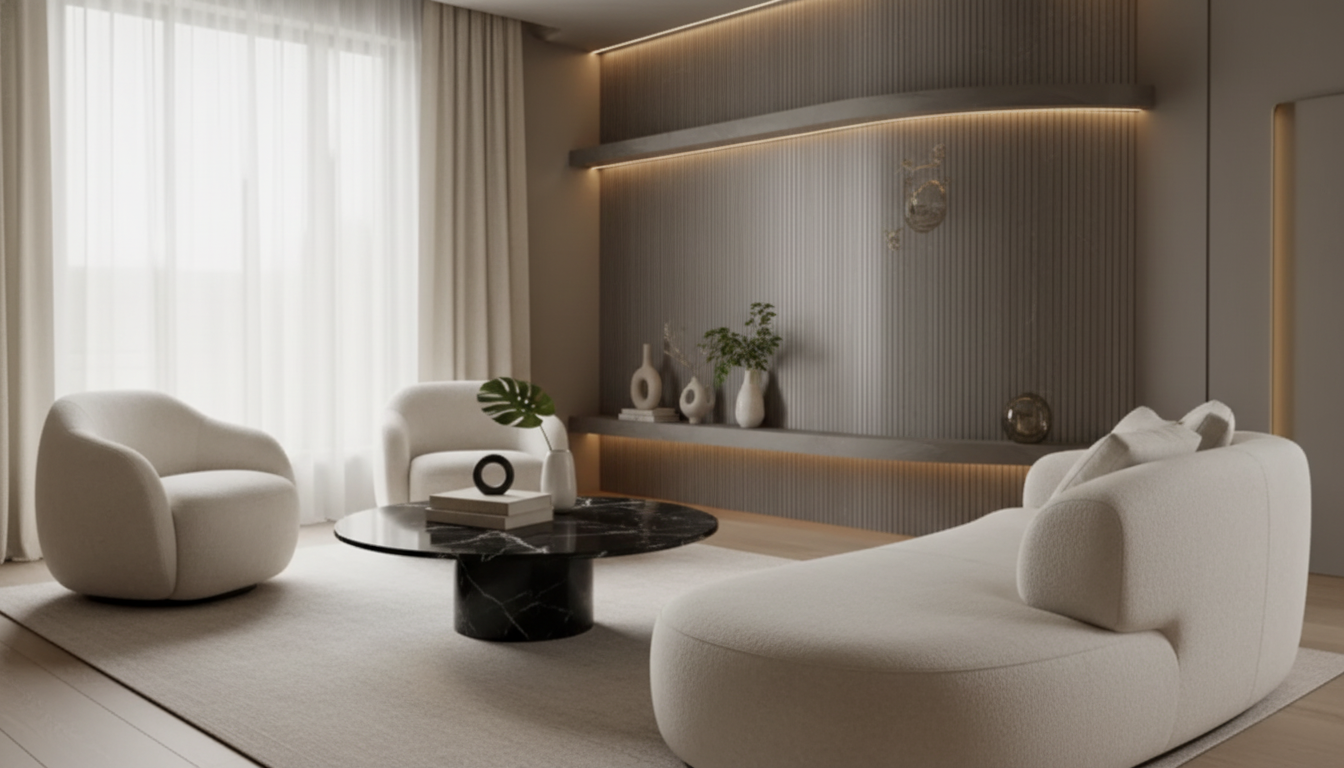
Styling with Curved Furniture: Layout Ideas, Balance, and Placement That Feels Natural
Curved furniture can soften a room instantly, but it also changes how the layout works—traffic paths bend, focal points shift, and spacing matters more. A curved sofa or round chair doesn’t behave like a straight sectional, so a “standard” layout can end up looking like a floating crescent. Below are practical steps to anchor curves, pair them with straights, choose rugs and tables that fit, and make placement feel natural in living rooms, bedrooms, and open-plan spaces.
Why Curves Change the Feel of a Room
Curves create a calmer visual rhythm because they reduce sharp “stop points” at corners and edges. Rounded silhouettes read as more inviting, which can make even a large room feel more conversational—people naturally angle toward each other rather than sitting in rigid lanes.
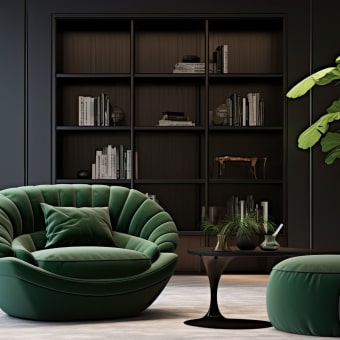
Curved pieces also pull attention. The most successful layouts use that attention on purpose: aim the curve toward a focal point (a fireplace, view, TV wall, or statement art) so the shape feels like it belongs. One tradeoff is that softer edges can make a space feel slightly smaller if the room loses clear negative space. Balance the curve with breathing room and at least a few straight lines for structure. If you like browsing real-room examples, Architectural Digest and Houzz are helpful references for how designers mix rounded seating with linear architecture.
Start with the Curve’s “Front Edge” and the Main Walkway
Before measuring rugs or shopping for tables, identify the curve’s “front edge”—the side people face when seated. Use that front edge to aim seating toward the room’s focal point rather than defaulting to parallel walls. This single step prevents the common mistake of pushing a curved sofa into a straight-wall mindset.
Next, protect the primary walkway first. Curved furniture needs a little extra breathing room along its arc to look intentional instead of cramped. Aim for consistent clearance where people pass; even one narrow pinch point makes the entire room feel off-balance because the eye follows the curve and notices the squeeze.
If the curved piece is large (curved sofa or sectional), treat it as the room’s anchor and build outward in this order: rug, coffee table, then secondary seating. That sequence keeps the zone cohesive and prevents the curve from “drifting” away from the center of the room.
Placement Patterns That Work (Living Room, Bedroom, Entry)
Conversation arc
Place a curved sofa facing two smaller chairs or a petite loveseat, forming a loose circle around a coffee table. Keep the opening of the circle aligned with the main walkway so the room still feels easy to enter.
Soft L-shape with a clean back line
Float the curved piece slightly off-center, then place a straight console or shelving unit behind it to create a tidy “back line.” This is especially useful in open-plan spaces where you want the sofa to define a living zone without looking like it’s parked in the middle.
Bay-window harmony
Align a curved loveseat with the window curve, then add a rectangular rug to keep the rest of the room grounded. The contrast between the curved seating and the straight rug edges makes the nook feel designed rather than theme-y.
Bedroom balance
Entry statement
Pairing Curves with Straight Lines (So It Doesn’t Get “Mushy”)
Rugs, Coffee Tables, and Spacing: A Quick Fit Guide
| Curved piece | Best coffee-table shape | Best rug shape | Notes |
|---|---|---|---|
| Curved sofa | Oval or round | Rectangular | Use a straight console behind to create a clean back line. |
| Round swivel chairs (pair) | Round or small rectangle | Rectangular | Angle chairs slightly inward to avoid “waiting room” symmetry. |
| Curved loveseat in bay window | Small round | Rectangular | Let the rug extend beyond the loveseat to connect the zone. |
| Curved bench (entry/bed) | None or small round accent table | Runner or small rectangle | Keep wall mirror/art arched or round for an intentional echo. |
Lighting, Art, and Styling Details That Make Curves Look Intentional
A Simple Room-Reset Checklist (10 Minutes Before Guests Arrive)
Helpful Tools for Getting the Layout Right (and Keeping It Clean)
If you want a step-by-step reference you can pull up while measuring, Styling with Curved Furniture (digital guide) walks through curved-sofa and round-chair placement with practical layout tips you can apply room by room.
For fast resets—especially in high-traffic open-plan spaces—a quick clean makes curved layouts look more deliberate (because the eye follows arcs and notices clutter). A compact option like the Powerful Cordless Handheld Vacuum Cleaner with LED Light & 40-Min Runtime is handy for rugs, corners, and the “track line” where people walk along the curve.
FAQ
Do curved sofas have to float in the room?
No—floating helps when you want a conversation-focused layout or need to define a zone in an open plan, but a curved sofa can work near a wall if you keep consistent clearance along the arc and avoid tight pinch points. If it floats, adding a straight console behind it creates a clean back line that makes the placement feel intentional.
What shape rug looks best with a curved sofa?
In most living rooms, a rectangular rug looks best because it adds structure and visually “anchors” the curved silhouette. Size it so the front legs of the main seating sit on the rug to connect the whole zone.
How do you style a room with multiple curved pieces without overdoing it?
Use one strong straight anchor (like a rectangular rug or linear console), then limit curve repetition to 2–3 smaller echoes so the room feels cohesive but not cluttered. Vary heights and mix materials (wood/metal alongside upholstery) to keep the look crisp.












Leave a comment