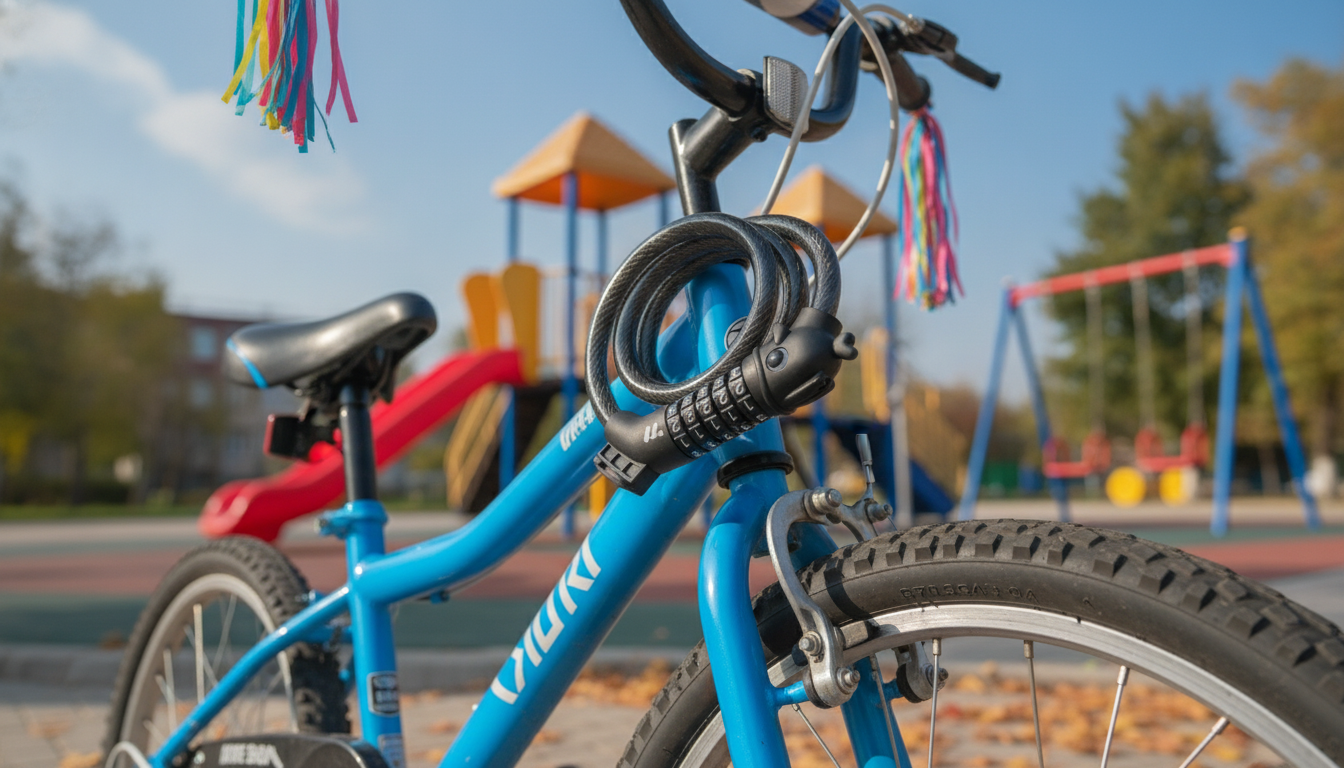
A bike lock for kids has to do two jobs at once: help protect a bike at school, the park, or after activities, and be simple enough that a child can actually use it every day. A cartoon-themed cable lock with a 5-digit combination keeps things key-free while adding a fun look that kids don’t mind carrying. The right lock won’t make a high-theft area “safe,” but it can reduce quick grab-and-go theft, encourage consistent locking habits, and make it easier for families to set a routine for where and how a bike gets secured.
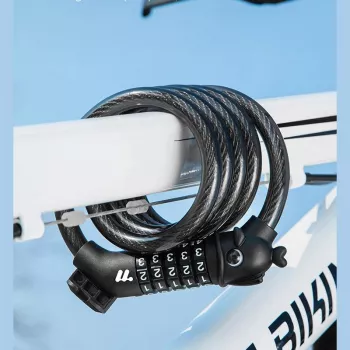
A 5-digit password design is a small detail that can make day-to-day use much smoother for families.
If your child is new to combination locks, a quick “two-day practice plan” helps: day one is learning the code and opening it smoothly; day two is locking to a real object and doing a tug-test to confirm it’s secure.
The best lock is the one a child will use every time—without reminders. A simple routine makes “lock it” feel automatic.
That last step—scrambling the digits—prevents a common mistake where a lock is closed but still set to the unlock code. A quick pull-check (tug-test) catches “looks locked but isn’t” situations before your child walks away.
Cartoon design isn’t only about appearance. For many kids, it’s the difference between a lock that stays in the backpack and a lock that gets used.
For school-day convenience, consider storing the lock in the same place every afternoon (helmet straps, backpack pocket, or clipped to the bike) so mornings stay quick and consistent.
Even kid-friendly locks vary a lot. Before purchasing, it helps to confirm a few practical details that matter once the lock is used daily.
| Feature | Why it matters for kids | What to look for |
|---|---|---|
| 5-digit combination | Avoids keys and reduces easy guessing | Smooth dials, clear digits, resettable code (if desired) |
| Cable-style design | Easier to wrap around racks and odd shapes | Flexible routing without kinks; comfortable handling |
| Cartoon outer look | Boosts carry-and-use consistency | A design the child likes; easy to spot on a rack |
| Tug-test closure | Prevents “looks locked but isn’t” mistakes | A closure that clicks/locks confidently and holds when pulled |
| Kid-friendly routine | Helps prevent forgetfulness at school | Simple steps: lock, pull-check, scramble digits |
For a deeper look at lock security expectations and ratings, it’s useful to review third-party guidance like Sold Secure, which explains how different lock types perform in testing and why matching the lock to the risk level matters.
A strong code doesn’t have to be complicated—it just shouldn’t be guessable from everyday info.
Safety and smart riding habits matter too. For general bicycle safety guidance for kids and families, refer to CPSC bicycle safety resources and NHTSA bicycle safety.
A 5-digit code increases the number of possible combinations, which can deter casual guessing. However, cable locks can still be vulnerable to cutting, so they’re best for short stops and lower-risk areas combined with smart, visible parking and consistent locking habits.
In general, unlock the lock using the current code, engage the reset mechanism (often a button, lever, or turn-to-reset piece), dial your new 5 digits, then return the reset mechanism to its original position. Lock it, scramble the digits, and test the new code a few times; check the included instructions for the exact steps for your model.
Use a fixed, sturdy object such as a bike rack or a solid post that can’t be lifted out or easily cut. Whenever possible, lock the frame to the object (not just a wheel), then do a quick pull-check to confirm it’s fully secured.

Leave a comment