Mini RC Drone: HD Camera, 360° Flips & One-Key Return
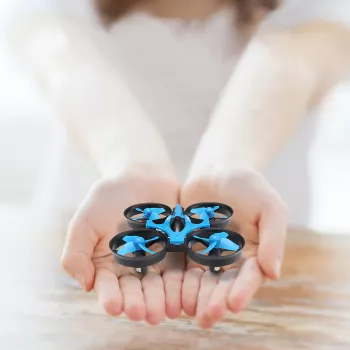
Mini RC Drone with HD Camera, 360° Flip, 2.4G Remote Control, One-Key Return
A mini RC quadcopter is built for quick setup, light practice, and “grab-and-go” fun—especially when space is limited. This model pairs an HD camera for casual aerial clips with 360° flips for instant stunts, a 2.4G remote for responsive handling, and a one-key return function to help when orientation gets confusing. The result is a compact drone that’s easy to store, simple to fly in calm conditions, and entertaining for short sessions indoors or in a sheltered yard.
For general safety and responsible flying, follow current recreational guidance from the FAA and use radio equipment as authorized under FCC rules.
At-a-Glance Features
- HD camera: Great for casual capture while flying; the clearest results come from steady hovering, slow forward motion, and gentle turns.
- 360° flip mode: Adds quick tricks once basic throttle, yaw, and hover control feel comfortable.
- 2.4G remote control: Designed to reduce interference compared with older control bands, helping the drone respond more consistently.
- One-key return: A return-assist feature intended to help guide the drone back when you lose orientation.
- Mini size: Easy to store and transport; keep in mind lightweight drones can get pushed around by breezes more quickly.
Recommended In-Stock Picks
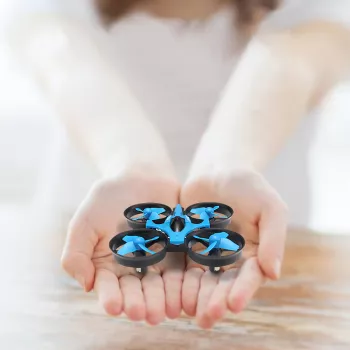
- Mini RC Drone with HD Camera, 360° Flip, 2.4G Remote Control, One-Key Return (In stock)
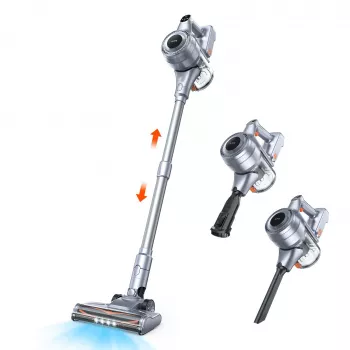
- Powerful Cordless Handheld Vacuum Cleaner with LED Light & 40-Min Runtime (In stock) — handy for quick cleanup after indoor practice sessions near rugs, pet hair, or hobby spaces.
What’s in the Box and First Setup
Before the first charge or flight, compare what you received against the product listing to confirm all parts are present. Then set yourself up for an easier first hover:
- Charge batteries on a non-flammable surface and avoid leaving charging unattended.
- Install batteries in the drone and remote with correct polarity; close compartments securely so nothing shifts mid-flight.
- Pairing is usually done by powering the remote first, then the drone, then following the remote’s bind steps (often a throttle movement or a dedicated button).
- Do a quick pre-flight check: props seated firmly, frame undamaged, camera lens clean, and controls responding correctly.
Pre-Flight Checklist (Quick Pass)
| Check | What to look for | Why it matters |
|---|---|---|
| Battery level | Drone and remote have sufficient charge | Prevents sudden drop or loss of control |
| Propellers | No cracks; firmly attached; spinning freely | Reduces vibration and improves stability |
| Control response | Inputs match movement direction before takeoff | Helps avoid immediate drift or flip-over |
| Flight area | Clear of people, pets, and fragile objects | Reduces risk of injury and damage |
| Wind/space | Low wind; enough room to recover | Mini drones can be pushed around easily |
Camera Basics: Getting Clearer Clips
Think of the camera as a “fun capture” feature: smooth flying matters more than speed. The drone’s best-looking clips usually come from calm hands and predictable movement.
- Fly slower for sharper footage: Gentle yaw turns and gradual forward movement reduce motion blur and “jello” shake.
- Use brighter lighting: Indoor low light can make video grainier; daytime rooms or well-lit spaces typically look better.
- Clean the lens: A quick wipe before each session helps prevent haze from fingerprints or dust.
- Shorten the distance if video feels choppy: Staying closer can improve consistency, especially in busy wireless environments.
- Stabilize your flight first: A steady hover for a few seconds before moving forward often produces more usable footage.
360° Flips: When to Use Them (and When Not To)
Flips are a highlight feature on mini drones, but they work best once the basics are automatic. A flip is easiest when the drone has enough power and enough room to recover altitude after the maneuver.
- Master hover control first: Aim for steady altitude, gentle turns, and controlled stops before attempting tricks.
- Give yourself extra altitude: Flips can drop a bit; more height means more time to level out.
- Choose the right space: Outdoors in calm air is ideal; indoors, keep clear of ceilings, fans, lamps, shelves, and TV screens.
- Inspect after inconsistent flips: If flips become uneven, land and check propellers for bends, chips, or looseness.
- Avoid flips on low battery: Lower power can reduce recovery strength and increase the chance of a hard landing.
2.4G Remote Control: Handling and Interference Tips
The 2.4G control link is made for everyday reliability, but technique and surroundings still matter. Mini drones are light and responsive, so small stick inputs usually beat big corrections.
- Keep any remote antenna area unobstructed by hands or metal objects.
- Maintain line-of-sight for more consistent response, especially when learning.
- If control feels delayed, move away from crowded Wi-Fi environments and large metal structures.
- Re-bind/pair the drone if it behaves erratically after battery swaps.
- Use light inputs: quick, tiny corrections help prevent “over-fixing” drift.
One-Key Return: How to Use It Safely
Where It Fits Best: Skills, Spaces, and Use Cases
Common Issues and Quick Fixes
FAQ
Does one-key return bring the drone back to the exact takeoff point?
No—one-key return is a return-assist feature and accuracy can vary based on wind, orientation, and obstacles. Practice in an open area first and be ready to switch back to manual control if the drone isn’t coming back safely.
How can smoother HD camera footage be captured with a mini drone?
Fly slower with gentle turns, keep lighting bright, and wipe the lens before takeoff. Stability improves clarity more than speed, so prioritize a steady hover and gradual movements, especially in calm air.
What’s the safest way to learn 360° flips?
Start by mastering a stable hover, then try flips at extra altitude in an open space. Avoid flipping on low battery, and inspect propellers after crashes or hard landings to keep recovery consistent.














Leave a comment