Pop-Up Golf Chipping Net: Backyard Short-Game Practice
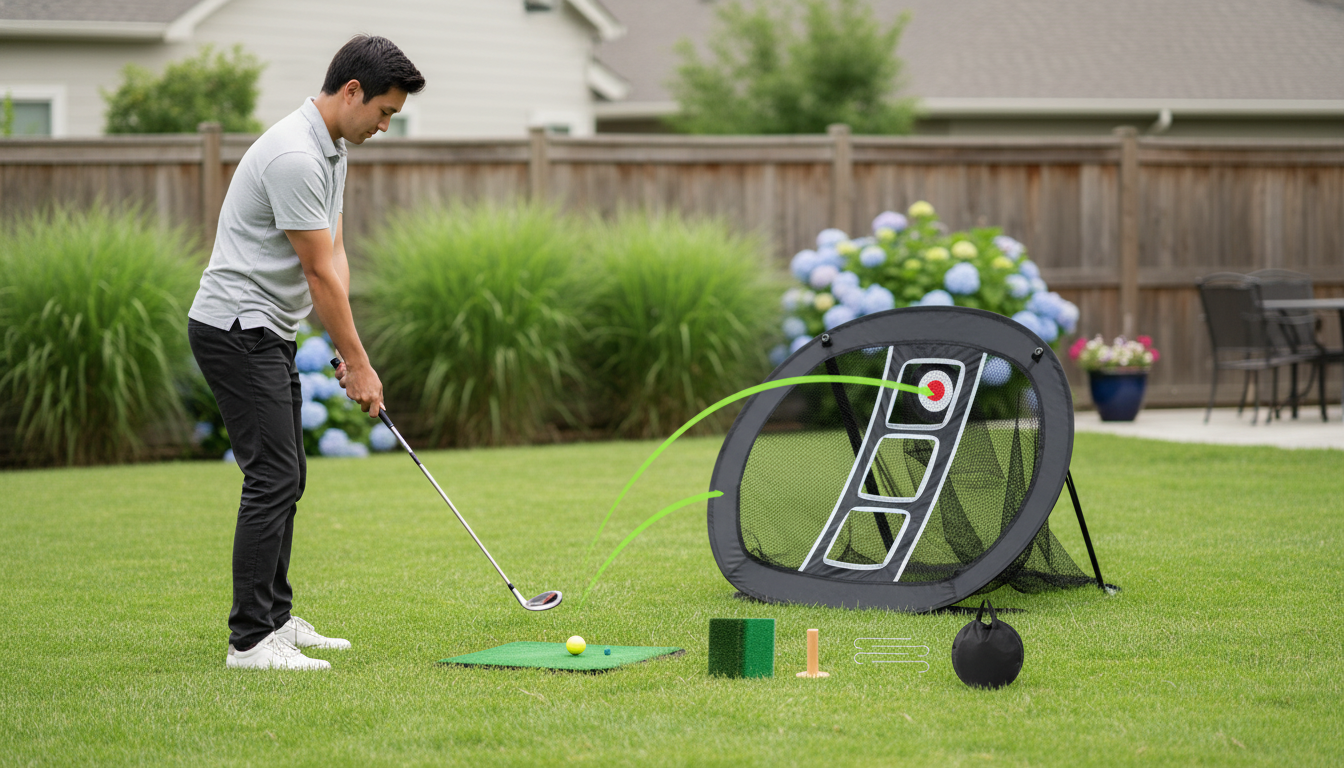
Portable Golf Chipping Net for Backyard Swing Practice – Pop Up Golf Hitting Aid
A portable chipping net can turn a small yard, garage, or patio into a repeatable short-game practice spot. With a pop-up design, it’s easy to set up, aim at specific landing zones, and build touch and distance control without scheduling a full range session. The most useful results come from a simple structure: stable placement, a few clear targets, and short, focused drills that carry over to the course.
What a pop-up chipping net helps improve
A good net doesn’t just “catch balls”—it provides feedback. When you practice to a defined pocket or scoring zone, each shot becomes a mini test of technique and decision-making.
- Distance control: Repeatable swings to specific targets encourages consistent carry and rollout planning.
- Contact and trajectory: Practicing low runners, standard chips, and higher pitches builds versatile shot options.
- Start line: Aiming at a defined pocket or zone makes face control and alignment easier to measure.
- Routine under pressure: Quick sets (e.g., 10 balls) help simulate on-course decision-making and pre-shot routine.
Key features to look for in a backyard chipping net
Not all practice nets feel the same after a few weeks of use. The best ones reduce setup friction, stay stable, and keep practice flowing so you can focus on the shot—not the equipment.
- Fast setup: Pop-up frames reduce friction to practicing more often, even for 10-minute sessions.
- Multiple targets: Distinct pockets or rings encourage variety (short/medium/long carries) and keep practice engaging.
- Stable base: Ground stakes or a wide base help the net stay put on grass; add weight for hard surfaces.
- Ball return or easy retrieval: A design that gathers balls near the front saves time between reps.
- Durable netting: Tighter weave and reinforced stitching handle repeated impacts and reduce premature tearing.
- Portable storage: A compact fold with a carry bag makes it easy to store in a closet or trunk.
Quick check before buying
| Feature | Why it matters for practice | What to confirm |
|---|---|---|
| Pop-up frame | More reps, less setup time | Can one person open/close it smoothly |
| Target zones | Builds distance control and accuracy | At least 2–3 distinct targets or scoring areas |
| Stability options | Prevents tipping and inconsistent feedback | Stakes, tie-down points, or a wide base |
| Net durability | Handles frequent impact over time | Reinforced seams, sturdy mesh, strong frame joints |
| Portability | Makes practice possible anywhere | Fold size and included carry case |
Setup tips for realistic feedback
Even the best chipping net won’t help much if it’s sliding, crooked, or placed in a way that hides your misses. A few small setup habits make practice feel more like the course.
- Place the net on level ground so the target stays square and the ball collection area works as intended.
- Use alignment: Aim sticks, a club on the ground, or a chalk line to keep feet/hips/shoulders consistent.
- Pick a landing spot, not just the net: Choose a carry distance (e.g., 10–20 yards equivalent) and match the swing length.
- Vary clubs: Practice with a wedge for higher shots and a 8–9 iron for bump-and-run options.
- Control the environment: If practicing indoors or near windows/fencing, use foam balls and add a secondary backstop.
For rules clarity and ball conformity when you’re taking practice back to the course, you can reference the The R&A Equipment Rules (Golf Balls) and the USGA Rules of Golf.
Backyard drills that translate to the course
Short-game practice improves faster when it has a goal and a consequence. Use the net’s zones as “pins,” then practice scoring patterns that feel like real shots.
- Ladder drill: Hit 3 balls to the closest target, 3 to the middle, 3 to the farthest; repeat for 3 rounds.
- Up-and-down simulation: Chip 1 ball to a target, then putt on a mat or carpet to finish the “hole.”
- One-ball practice: Use a single ball and retrieve after each shot to mimic on-course pacing and focus.
- Trajectory challenge: Alternate low runner and standard chip to the same target to learn release differences.
- Random practice: Switch targets every shot (short/medium/long) to improve feel under changing distances.
If you want additional skill ideas (setup, contact, and short-game concepts), the PGA of America instruction resources can help you build a simple weekly routine.
Safety and space planning
Because practice happens close to homes, cars, and windows, a small safety plan is part of good training. Make your setup predictable so you can swing freely.
Care, storage, and extending lifespan
A simple option for quick practice sessions
In-stock picks to build your practice corner
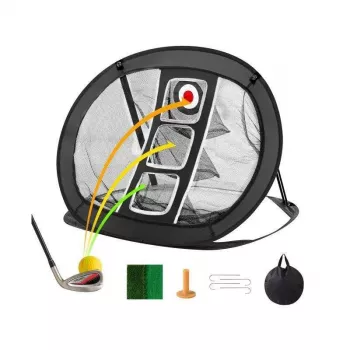
- Portable Golf Chipping Net for Backyard Swing Practice – Pop Up Golf Hitting Aid ($25.97)
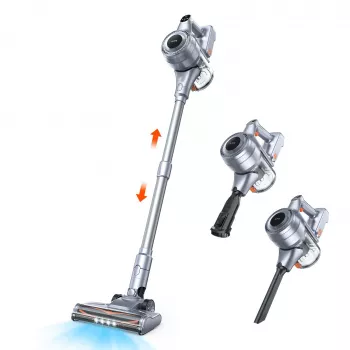
- Powerful Cordless Handheld Vacuum Cleaner with LED Light & 40-Min Runtime ($151.01) for quick cleanup in a garage practice area (turf crumbs, dust, or loose debris).
FAQ
Can a chipping net be used indoors?
Yes, as long as you have adequate ceiling clearance and a secondary backstop behind the net. For smaller rooms, foam or low-flight practice balls reduce risk while still letting you work on contact and start line.
How far should the net be from the hitting spot?
It depends on your space and the shot you’re practicing. Start closer for basic chips, then gradually increase the distance to challenge carry control and launch height.
What’s the best way to practice distance control with a net?
Use multiple target zones and a structured drill like a ladder or random target switching. Focus on repeating swing length and a consistent landing spot rather than trying to “hit harder.”














Leave a comment