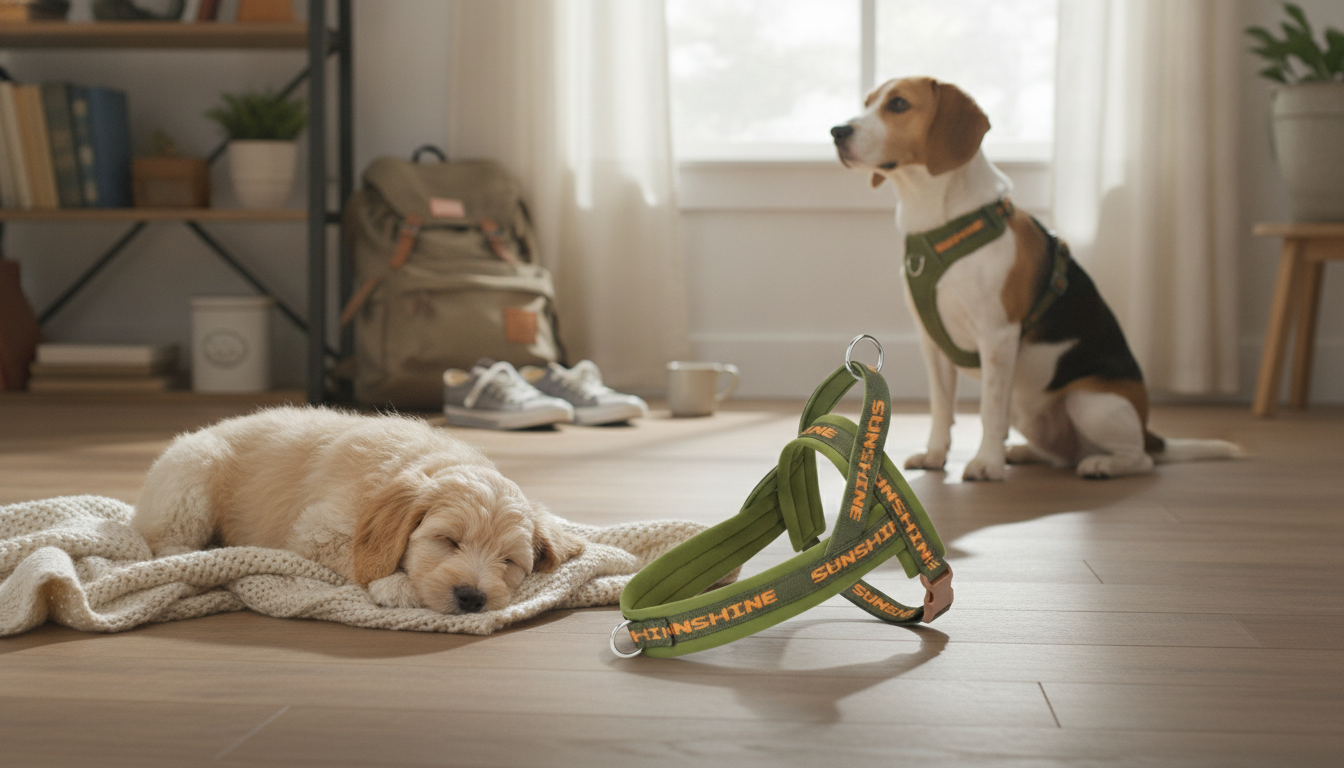
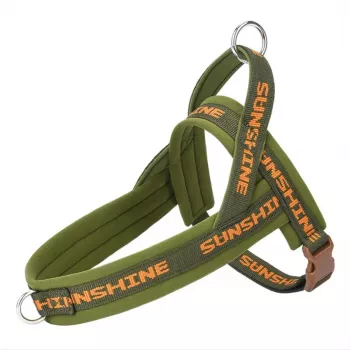
A well-fitted vest-style harness can make daily walks calmer and safer—especially for small and medium dogs that pull, cough with collars, or have sensitive necks. This adjustable, soft harness is designed to feel secure without restricting natural movement, helping keep leash pressure on the chest instead of the throat. If you’re looking for a simple upgrade from a collar, the Adjustable Dog Harness for Small & Medium Breeds – Soft, Secure & Comfy Vest is built around comfort-first control for everyday errands, neighborhood loops, and training walks.
A vest harness feels “secure” when it stays centered, spreads out pressure, and moves with the dog—without creating hot spots. Instead of relying on thin straps that can dig in during pulling or quick turns, a vest-style shape provides more contact area and more stability.
For additional guidance on harness styles and why fit matters, the American Kennel Club’s harness overview is a helpful reference.
Most harness problems—rubbing, slipping, “backing out,” or awkward walking—come down to fit. A few quick measurements and a short fitting session can prevent weeks of trial-and-error.
| Check | What to look for | Quick fix if needed |
|---|---|---|
| Chest panel position | Centered on the chest, not drifting to one side | Tighten evenly on both sides; re-center and re-buckle |
| Armpit clearance | No rubbing where front legs meet the body | Loosen slightly or shift the vest back a bit |
| Neck area comfort | No pressure on the throat; sits low on the neck | Adjust neck/upper fit so it rests on the shoulder area |
| Escape resistance | Dog can’t back out when gently guided backward | Snug the chest/neck adjustments; ensure buckles are fully seated |
| Leash connection behavior | Harness stays stable when the dog turns | Balance adjustments so tension doesn’t pull it sideways |
Comfort isn’t just a “nice to have.” If a harness pinches, shifts, or irritates the skin, many dogs respond by stopping, scratching, or pulling harder to get away from the sensation. A soft vest design is often a practical middle ground: supportive enough for control, gentle enough for regular use.
The fastest way to get a dog comfortable with a new harness is to make it predictable and rewarding. Treats, calm repetition, and tiny fit changes go a long way—especially for dogs that freeze or “alligator roll” when something new touches their shoulders.
For practical loose-leash fundamentals (especially for pullers), review the ASPCA’s leash-walking behavior guidance and focus on rewarding slack rather than powering through tension.
For general handling and safety reminders around pets in busy environments, the AVMA’s safety guidance is a solid reference.
After a good walk, many dogs settle best in a familiar spot with a soft surface underfoot—especially in entryways, near a crate, or by the couch. If you’re refreshing your pet-friendly space, the Adorable Panda & Dog Shaped Rug adds a cozy landing zone that’s easy to place where your dog naturally relaxes.
Use the two-finger rule: you should be able to slide two fingers under the harness comfortably. It should be snug enough to prevent backing out, but not so tight that it rubs the armpits or limits shoulder movement.
A harness can improve control and reduce throat pressure, which often makes pulling easier to manage. Long-term pulling improves most with consistent loose-leash training—rewarding slack and pausing when the leash goes tight.
Yes, when it’s properly sized and adjusted so it sits low on the neck, stays centered on the chest, and doesn’t rub the front legs. If coughing or discomfort continues even with a good fit, check with a veterinarian.


Leave a comment