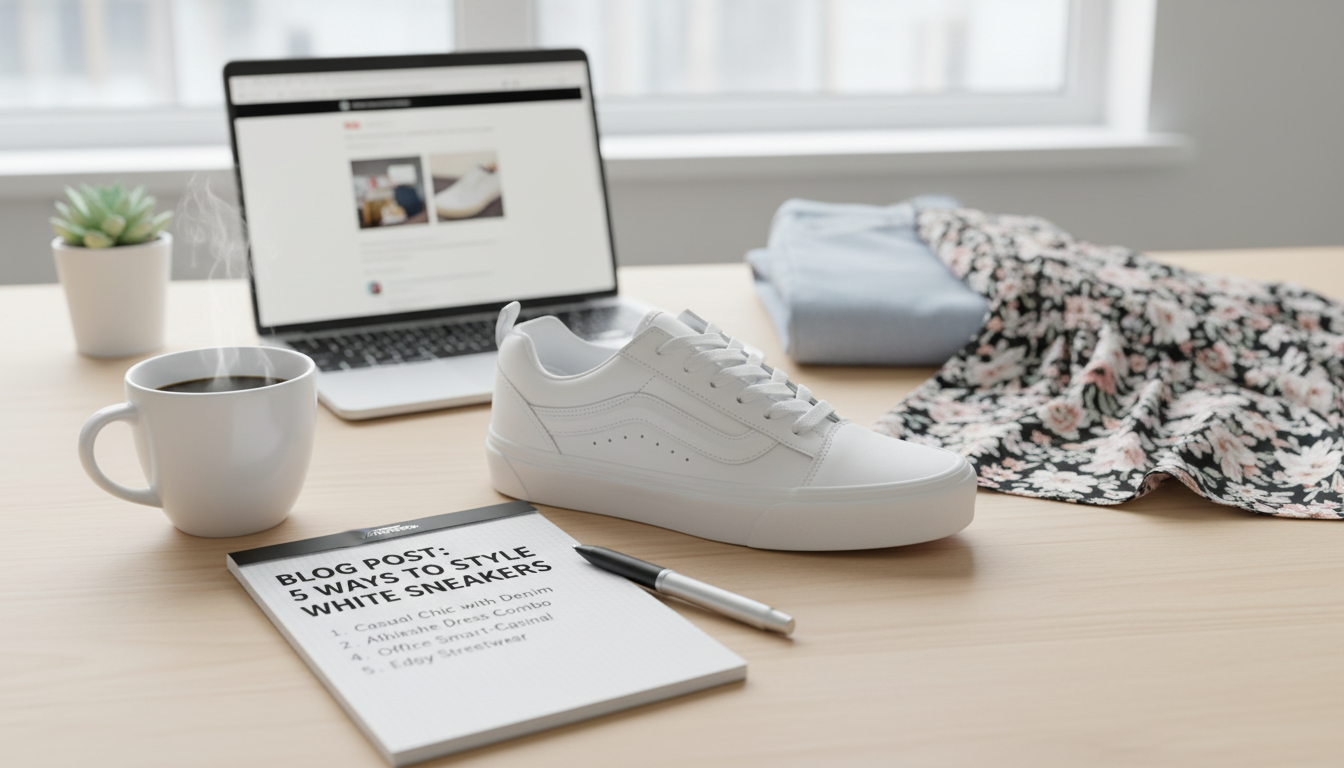
White leather sneakers can absolutely work through fall and winter when the materials, fit, and care routine match the season. Leather tends to handle street grime better than many fabrics, and a crisp white pair can brighten up darker cold-weather outfits—if you’re willing to do a little maintenance. Below is a practical guide to choosing and caring for leather uppers in colder months, plus easy ways to style a streamlined pair for everyday wear. For more guidance, see Recommendation for shoes.
Leather is a classic cold-season choice because it’s naturally more wind-resistant than many canvas uppers and is often easier to wipe clean after slush or city dirt. As a material, leather’s durability and structure are a big part of why it has been used for footwear for generations (see an overview of leather characteristics from Britannica). For further reading, see Shoes to wear with jeans to the office? – Page 2.
For day-to-day use, a structured leather upper can feel more supportive during longer stretches on your feet, especially when you switch to thicker socks. In fall and winter, the goal is usually less about being “fully waterproof” and more about managing moisture: quick wipe-downs, a protectant spray, and good drying habits can make a huge difference.
Style-wise, white leather stays surprisingly versatile with seasonal layers like dark denim, wool coats, and black outerwear. The trade-off is obvious: white shows dirt faster, so it’s best for anyone who’s ready to maintain it consistently.
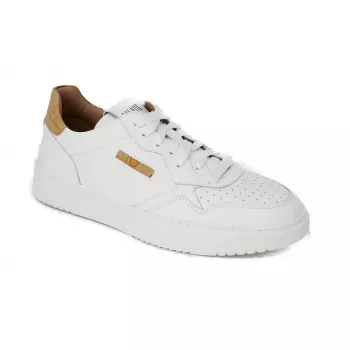
If you want a clean, minimal sneaker that can move between casual and smart-casual outfits, Vans Men’s White Leather Fall/Winter Shoes are an easy fit. The leather surface is convenient for quick cleanup after rain splatter and salt residue—when you use leather-safe products and don’t let grime sit for days.
This style works well for commuting, errands, and the constant indoor/outdoor transitions of colder months. Just keep expectations realistic: a lifestyle sneaker isn’t built for deep snowbanks or heavy downpours. Weatherproofing and rotating pairs are the simplest ways to extend the life of white leather.
| Item | Price | Availability | Link |
|---|---|---|---|
| Vans Men’s White Leather Fall/Winter Shoes | 52.01 USD | In stock | View product |
Cold-weather comfort starts with fit—because socks change everything. A sneaker that feels perfect with thin socks can feel tight with medium or heavyweight socks, especially across the forefoot. When possible, try the shoe on with the sock thickness you’ll wear most often.
Heel hold matters more when sidewalks are slick. Aim for a secure heel and consistent lacing so your foot doesn’t slide inside the shoe (internal slipping can also increase blister risk). If you do end up with hot spots or blisters, the American Academy of Dermatology Association has practical blister-care guidance.
If your arches start fatiguing during winter walking—often due to heavier clothing, longer commutes, or just more time on hard indoor floors—adding a supportive insole designed for sneakers can help. And remember that leather usually softens as it breaks in; avoid soaking the shoe during that period, since moisture can lead to stubborn creasing and stiffness.
Traction is the quiet deal-breaker for winter wear. Look for an outsole pattern that maintains grip on smooth indoor floors and sheds water outside. Even with decent tread, a lifestyle sneaker is best for mostly cleared routes rather than icy, untreated sidewalks.
Also, leather isn’t automatically waterproof. A leather-safe water and stain protector can reduce how quickly moisture darkens the upper and can buy you time in drizzle. Reapply as conditions demand—especially if you’re wearing the shoes daily.
Salt and slush are the other big threats. Winter street salt can dry out leather and leave stains, so wipe promptly after exposure and condition occasionally to keep the upper from looking dull or brittle. For drying, skip direct heat from radiators and heaters; heat can warp materials and cause cracking. If you’re ever drying shoes near fuel-burning appliances or in enclosed spaces, follow basic indoor safety guidance like the CDC’s carbon monoxide poisoning prevention reminders.
They can be practical in mild to moderate winter conditions if you use a leather-safe protectant, wipe them down after wear, and dry them properly. In heavy rain, deep snow, or frequent ice, they’re better as a rotation pair rather than the only shoe you rely on.
Wipe the area promptly with a soft, damp cloth, then let the shoe dry at room temperature. Once fully dry, apply a small amount of leather conditioner; avoid harsh chemicals and don’t use direct heat to speed drying.
Yes—using a leather-safe water and stain protector helps reduce water spotting and makes cleanup easier. Reapply based on how often you wear them and how wet conditions are, and test the product on a small, less-visible area first.



Leave a comment
You must be logged in to post a comment.