HomeBlogBlogWheel & Tire Cleaning Wipes: Fast No-Rinse Shine

Wheel & Tire Cleaning Wipes: Fast No-Rinse Shine

Wheel & Tire Cleaning Wipes: Fast No-Rinse Shine

Wheel & Tire Cleaning Wipes for Quick, No-Rinse Shine

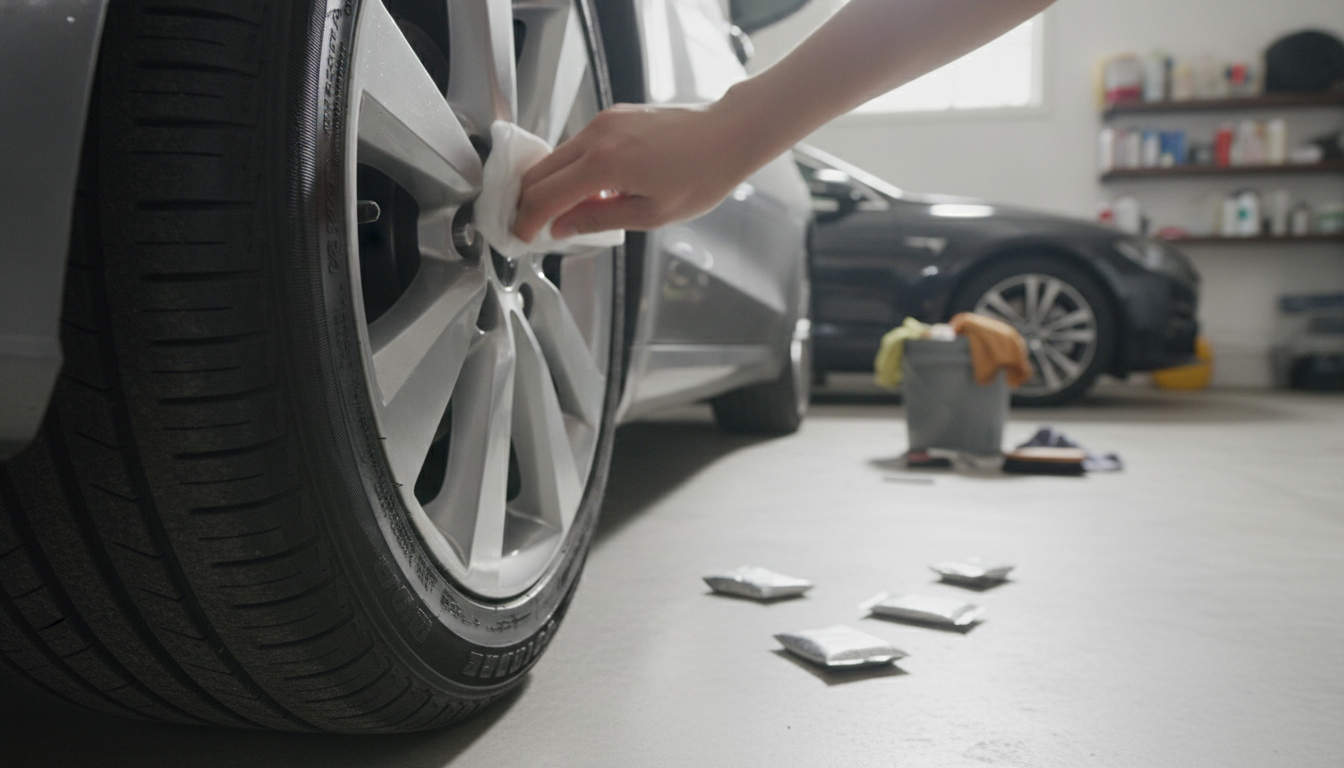
Wheel and tire wipes make it easy to lift brake dust, road film, and grime without hauling out a bucket and brushes. Used correctly, they’re a fast way to freshen up rims and sidewalls between full washes—at home, at work, or on the road.

Because wheels collect the harshest contamination on the vehicle (brake dust, oily spray, and gritty grit), convenience matters—but so does technique. A good wipe, paired with a simple “clean side, light pressure, final buff” approach, can noticeably improve gloss and color without turning a quick touch-up into a scratch risk.

What Wheel and Tire Wipes Are Best For

  • Fast touch-ups when wheels look dusty but a full wash isn’t practical
  • Removing light-to-moderate brake dust, road salt residue, and oily film from daily driving
  • Cleaning tire sidewalls before applying a protectant or dressing
  • Keeping a pack in the trunk for after rain, road trips, or car meets
  • Spot-cleaning around lug areas, spokes, and tight crevices where towels struggle

Wipes shine in “good enough, right now” moments—like the morning of an event, the end of a long commute, or a quick reset after a rainy parking lot. For deep cleaning (especially when brake dust is baked on), they’re best viewed as maintenance between bigger washes.

What to Look For in a Good Wipe

  • Material and texture: a slightly textured wipe helps grab grime without immediately shredding
  • Moisture level: should feel wet enough to glide and emulsify dirt, not dry out after one wheel
  • Residue control: should wipe clean without leaving a greasy film that attracts dust
  • Pack sealing: strong lid or sticker seal to reduce drying out in the glove box
  • Compatibility: safe use on painted wheels, clear-coated finishes, and rubber sidewalls (avoid unknown use on bare polished metals)

If wheels have a sensitive finish (matte, anodized, or specialty coatings), a test spot is the simplest way to avoid surprises. For basic maintenance, a wipe that stays wet, slides smoothly, and buffs clear is usually the most satisfying to use.

How to Use Wheel & Tire Wipes Without Scratching

  • Start with cooler wheels; cleaning hot wheels can cause streaking and faster evaporation
  • Knock off loose grit first (quick rinse, compressed air, or a dry microfiber) when possible
  • Use light pressure and fold the wipe to expose a clean side as it loads up with dirt
  • Work top to bottom: spokes and face first, then barrels you can reach, then the tire sidewall
  • Finish with a clean microfiber towel to buff any remaining moisture and prevent spots
  • Use separate wipes for wheel faces and tire sidewalls to avoid transferring heavy grime

A simple rule: if the wipe starts feeling “grabby” instead of slick, swap to a fresh one. That slick glide is what helps lift and carry soil away rather than dragging it across the finish.

Wipes vs. Sprays vs. Soap: Quick Comparison

  • Wipes are best for convenience and controlled application with minimal mess
  • Sprays can clean heavier buildup but usually need towels, brushes, and sometimes rinsing
  • Traditional wash soap is best for routine full cleans, especially on heavily soiled wheels
  • For caked-on brake dust, a dedicated wheel cleaner and brush is typically necessary

Choosing a Wheel-Cleaning Method by Situation

Situation Wipes Spray Cleaner Soap + Water
Light dust after commuting Best Good Good
Tight parking lot / no hose access Best Good Fair
Heavy brake dust buildup Fair Best Fair
Mud and grit after off-road driving Fair (pre-clean only) Good Best
Quick tire sidewall prep before dressing Best Good Good

Common Mistakes That Leave Streaks or Haze

  • Using one wipe for the entire car: wheels and tires load wipes quickly—swap often
  • Cleaning when wheels are hot: leads to smeared residue and uneven finish
  • Rubbing grit into the surface: remove loose debris first when possible
  • Ignoring the final buff: a quick microfiber pass improves clarity and reduces spotting
  • Using on sensitive finishes without a test spot: always test on an inconspicuous area first

A Simple Routine for Better-Looking Wheels Between Washes

For broader tire care and safety checks—like tread depth and pressure habits—authoritative guidance from NHTSA’s tire maintenance basics and Michelin’s tire care tips can help keep the entire setup in better shape.

Featured Option: Wheel & Tire Cleaning Wipes

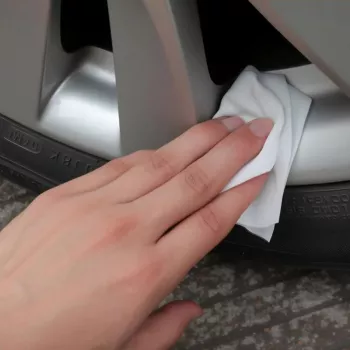
Wheel & Tire Cleaning Wipes are convenient, ready-to-use wipes for quick cleaning of wheels and tire sidewalls. They’re an easy fit for travel kits, apartment living, or last-minute touch-ups before photos and events.

Other In-Stock Picks to Round Out a Clean Ride

FAQ

Can wheel and tire wipes remove heavy brake dust?

They typically handle light-to-moderate brake dust well, but heavy or baked-on buildup usually needs a dedicated wheel cleaner, agitation with a brush, and rinsing. Wipes work best for maintenance between deeper cleans.

Are cleaning wipes safe on all wheel finishes?

They’re generally fine on painted and clear-coated wheels, but it’s smart to test a small, inconspicuous area first. Use extra caution on bare polished aluminum, anodized, or matte finishes unless the product specifically states compatibility.

Why do my wheels look streaky after using wipes?

Streaks often come from cleaning hot wheels, using an overused (dirty) wipe, letting product dry before leveling it, or leaving residue behind. Switch to fresh wipes, work in shade when possible, and finish with a clean microfiber buff.

Was this article helpful?

Yes No
Leave a comment
Top

Shopping cart

×