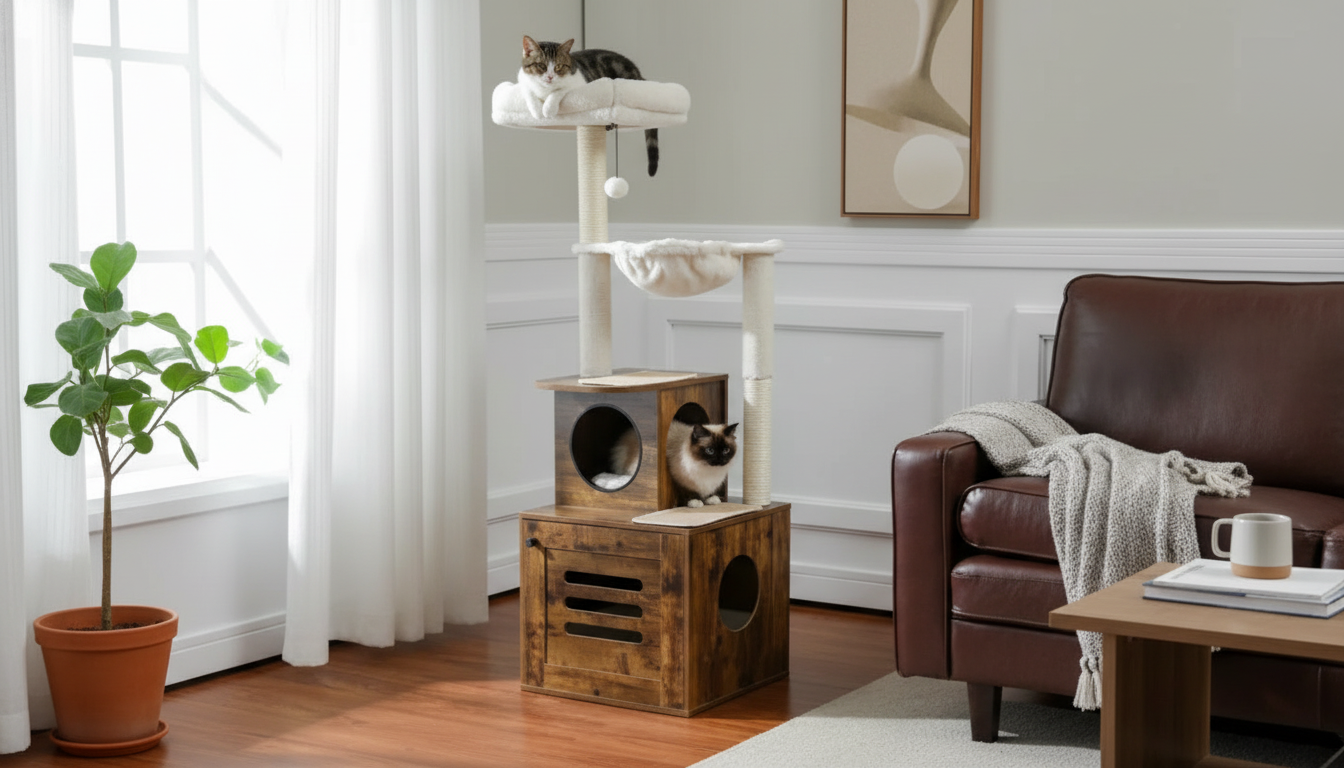
A space-saving tower that combines a climbing tree, scratch zones, and a more discreet litter area can simplify daily cat care while keeping rooms looking tidy. A wooden cat tower with an enclosed litter compartment and integrated scratching posts is designed to concentrate the “busy” parts of cat life into one vertical station—so play, rest, and cleanup feel more organized. Below is a practical guide to how this style of tower fits into real homes, what to check before placement, and which households tend to get the best results.
Most cats rotate between the same three routines: climb to survey, scratch to stretch and mark, and visit the litter box. This tower merges those high-traffic needs into one footprint, which can be especially helpful when floor space is limited.
When shopping for a wooden tower with a built-in litter compartment, the big goal is simple: cats should actually use it. That means matching the tower’s access points, step heights, and litter interior space to your cat’s habits—while also keeping maintenance realistic for everyday life.
| Feature | Everyday Benefit | What to Confirm Before Buying |
|---|---|---|
| Enclosed litter compartment | More discreet litter area and reduced visual clutter | Interior dimensions fit the litter box style and cat size |
| Scratching posts | Redirects scratching away from furniture | Post height and scratching material match the cat’s preference |
| Multiple levels/perches | Adds vertical territory and enrichment | Step distances are manageable for kittens, seniors, or larger cats |
| Wood construction | Stable feel and furniture-like look | Finish is sealed, easy to wipe, and free of strong odors |
| Access openings/doors | Easier scoop-and-refresh routine | Door clearance works for your scoop, liners, and box removal |
The “hidden litter box” concept works best when cats feel the area is safe, predictable, and easy to enter and exit. If a cat feels cornered, startled, or cramped, they may avoid the compartment—even if the tower looks great in the room.
For more detailed guidance on litter box location and upkeep, see International Cat Care (iCatCare) litter tray advice and the ASPCA’s overview of common litter box problems.
A combined tower only works when the scratching posts and perches become the “default” hangout. Cats are more likely to scratch where they already spend time—especially after naps—so placement and early positive routines make a big difference.
Scratching is normal feline behavior, not “bad manners.” The goal is to offer better options in the right place; the AVMA’s cat behavior resources can help explain why cats scratch and how to support healthy outlets.
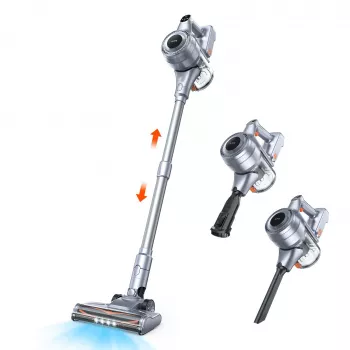
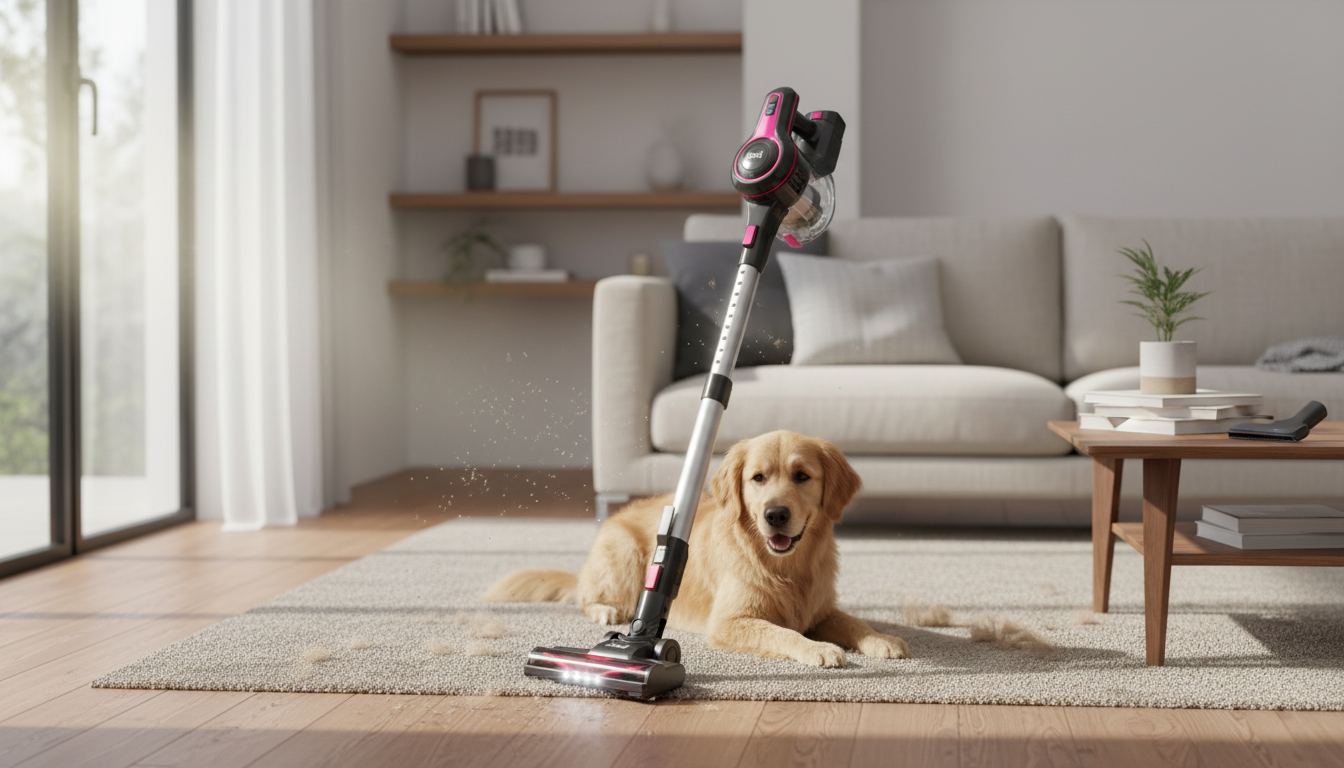
If you want a dedicated cleanup tool for quick litter tracking around the base and entry, consider adding the Powerful Cordless Handheld Vacuum Cleaner with LED Light & 40-Min Runtime to your cat-care station.
Many cats adapt quickly, but transitions go smoother when the new box uses the same litter and starts in a familiar location. Remove the old option only after your cat consistently uses the built-in compartment.
An enclosure can make litter look more contained, but odor control depends mostly on daily scooping, litter choice, and airflow. Think of the compartment as a visual solution—not a replacement for routine cleaning.
Inspect posts weekly and refresh when fibers loosen, the surface gets slick and ignored, or scratching shifts back to furniture. If the design allows, re-wrapping can extend the post’s usable life.



Leave a comment