UF Membrane Countertop Filters: Safe Without Electricity?
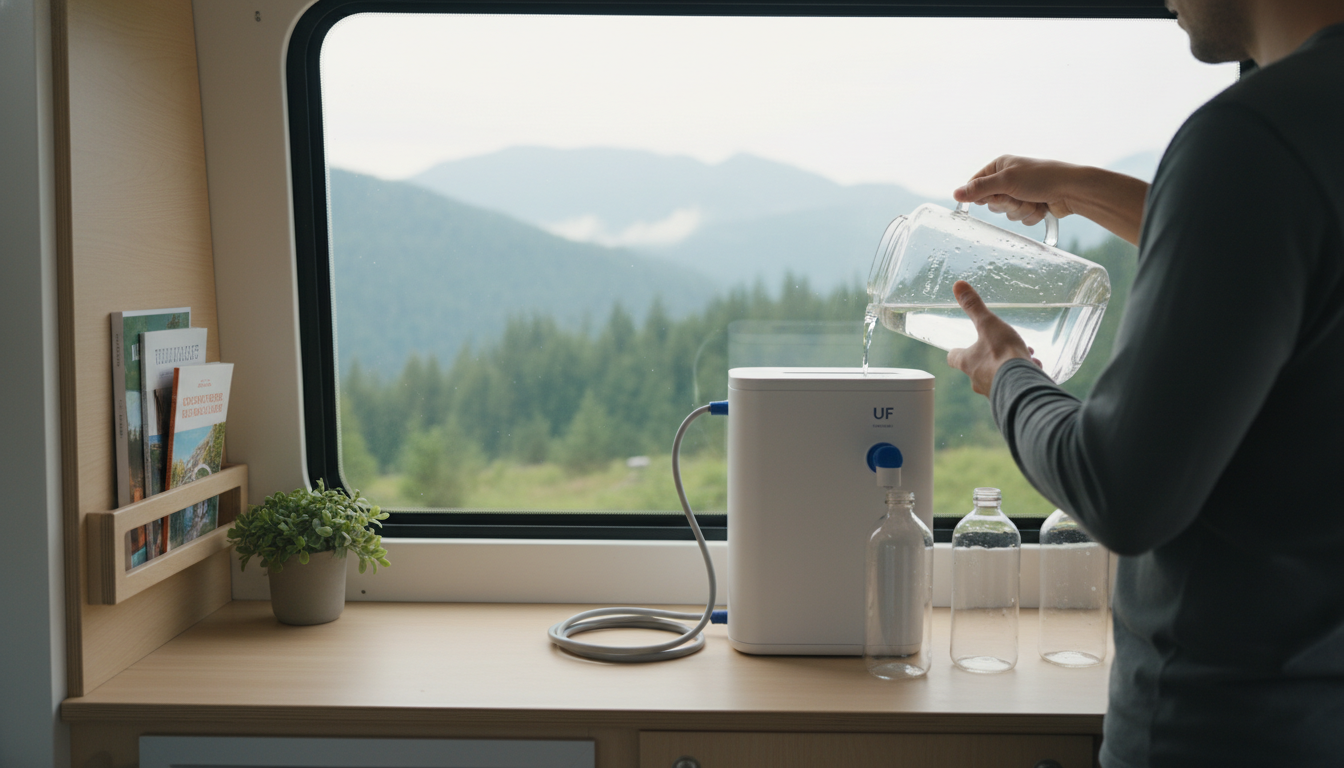
Is a UF membrane filter safe to use without electricity on a countertop?
Yes—most UF (ultrafiltration) membrane filters are designed to operate without electricity and can be safe on a countertop when they’re used as directed and paired with safe water-handling habits. Because UF systems rely on water pressure from a faucet, a gravity tank, or manual filling (not a powered pump), the lack of electricity doesn’t inherently make them less safe.
What “safe” means with a UF membrane
A UF membrane typically blocks sediment, microplastics, and many disease-causing microorganisms such as bacteria and protozoa. That makes it a strong choice for everyday countertop filtration when your main goal is microbial reduction and improved clarity/taste (depending on the system’s added carbon stages).
What a UF filter may not remove
Safety also depends on what’s in the source water. Many UF membranes are not rated to remove dissolved contaminants like arsenic, nitrates, fluoride, or high levels of salts/TDS, and they may not reliably remove viruses due to their smaller size. If your water has known chemical issues or you’re on a questionable source (some wells, surface water, or travel scenarios), choose a system specifically certified for those risks.
Countertop setup and hygiene matter
Using a non-electric UF unit safely on a countertop comes down to stability and cleanliness. Place the unit on a level surface where it can’t be bumped, and ensure any tanks or bottles are food-safe and kept covered. Wash hands before handling filtered water, clean the spout/nozzle area regularly, and follow the recommended cartridge/membrane replacement schedule to prevent clogging and bacterial buildup.
Look for certifications and clear maintenance guidance
For confidence, select a unit with transparent performance claims and recognized testing (such as NSF/ANSI certifications where applicable). Also confirm you can flush/clean the system as instructed and that replacement parts are readily available.
For a deeper breakdown of how UF filtration works and what to watch for in real-world use, see the full guide here: https://idyllie.com/blog/is-a-uf-membrane-filter-safe-to-use-without-electricity-on-a-countertop/.
FAQ
Does a UF membrane filter remove viruses and dissolved salts?
Many UF membranes are effective against bacteria and protozoa but may not reliably remove viruses, and they generally do not remove dissolved salts or many chemical contaminants. For those, look for systems rated for virus reduction and/or technologies like RO or specialized media.














Leave a comment