1800W Portable Induction Cooktop Guide: LED Touch, Glass
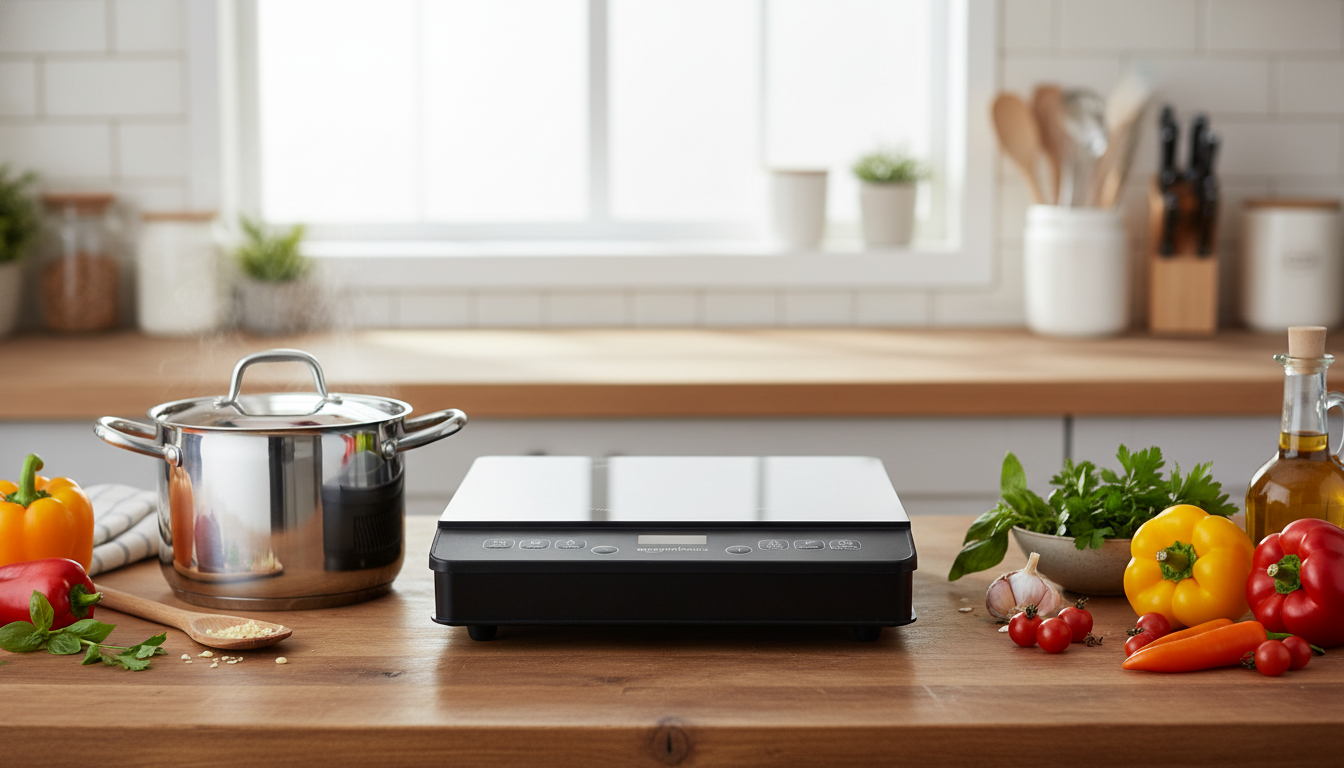
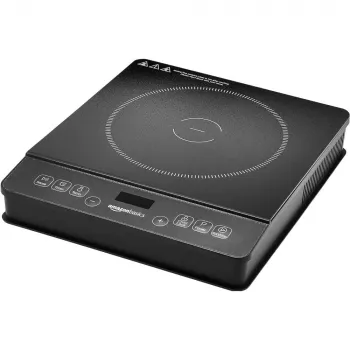
1800W Portable Induction Cooktop with LED Touch Controls and Glass Stovetop
A single-burner induction cooktop can simplify everyday cooking in small kitchens, dorms, RVs, and as an extra burner for busy households. This guide breaks down performance, cookware compatibility, safety, cleaning, and practical use cases for an 1800W portable unit with LED touch controls and a smooth glass surface.
What This Single-Burner Induction Cooktop Is Best For
Portable induction cooktops shine when flexibility matters. They’re a practical way to add heat where a full range isn’t available—or when the main stove is already busy.
- Small-space cooking: apartments, dorm rooms, studio kitchens, and office break rooms (where permitted).
- Extra capacity: adding a second “burner” during holidays, meal prep, or when the main range is full.
- Quick tasks: boiling water, reheating soups, simmering sauces, sautéing vegetables, and pan-searing (with compatible pans).
- Travel-friendly setups: RVs, temporary housing, or backup cooking during kitchen renovations (requires a stable, ventilated surface and appropriate power).
- Cleaner cooking zone: the flat glass top helps contain splatters and keeps the cooking area tidy.
How Induction Heating Works (and Why It Feels Different)
Induction heating is different from electric coils and gas flames because it primarily heats the pan—not the burner. The cooktop creates a magnetic field that excites the metal in compatible cookware, turning the pan into the heat source. The U.S. Department of Energy has a helpful overview of how induction compares to other methods (U.S. Department of Energy — Induction Cooking).
- Faster response: power changes can feel immediate compared with many electric coil burners.
- More comfortable cooking area: the glass surface typically stays cooler than traditional electric elements (though pan heat still transfers to the glass).
- Better control for common techniques: quick boils, steady simmers, and precise reheating are easier when power steps are predictable.
- Cookware matters: performance depends heavily on using magnetic, flat-bottom cookware for efficient energy transfer.
Key Features to Look For in an 1800W Portable Unit
Not all portable cooktops feel the same in daily use. An 1800W model is designed for speed and high-heat potential, but the overall experience depends on controls, build, and safety features.
- Power ceiling (up to 1800W): higher wattage supports faster boiling and better high-heat performance when the outlet can supply it.
- LED touch controls: a wipe-clean interface with a clear display that’s easy to read at a glance.
- Glass stovetop: smooth surface for quick cleanup; avoid dragging cookware to reduce scratching.
- Single-burner footprint: fits on countertops, carts, or side tables; confirm there’s space for ventilation around the unit.
- Timer and safety features: auto shut-off, overheat protection, and pan-detection help reduce risk during busy cooking.
If you’re ready to add a flexible burner to your setup, the 1800W Portable Induction Cooktop – LED Touch Controls, Glass Stovetop, Single Burner is a simple option for everyday countertop cooking.
Cookware Compatibility and Sizing
Induction cooktops require magnetic cookware. If a magnet sticks firmly to the bottom of your pan, it’s typically induction-compatible. Flat, sturdy bases also help with even heating and consistent simmering.
- Use magnetic cookware: cast iron, carbon steel, and many stainless-steel pans work; aluminum and copper usually need an induction-ready base.
- Simple test: a magnet should stick firmly to the pan’s bottom.
- Flat bottoms matter: warped pans reduce contact and can cause uneven heating or noise.
- Choose the right pan size: match the pan base to the heating zone for efficient cooking and consistent results.
- Avoid extremely thin pans: heavier pans often heat more evenly and hold temperature better for sauces and grains.
Quick Compatibility Check
| Cookware Type | Works on Induction? | Notes |
|---|---|---|
| Cast iron | Yes | Excellent heat retention; can be heavy; lift instead of sliding to protect glass. |
| Carbon steel | Yes | Great for searing; preheat gradually to reduce hotspots. |
| Stainless steel (magnetic base) | Often | If a magnet sticks to the bottom, it typically works well. |
| Aluminum (non-induction) | No | Needs an induction-compatible base or a different pan. |
| Copper (non-induction) | No | Usually incompatible unless bonded with a magnetic layer. |
Everyday Performance: From Boil to Simmer
For daily cooking, an 1800W portable induction cooktop is all about responsiveness. It’s especially convenient for tasks where timing and quick adjustments matter.
Safety and Setup Essentials
High-watt countertop appliances are safe when used correctly, but they do require basic setup discipline—especially in tight spaces. For broader cooking-safety reminders, see National Fire Protection Association (NFPA) — Cooking Safety and the U.S. Consumer Product Safety Commission — Kitchen Safety Resources.
Cleaning and Care for a Glass Stovetop
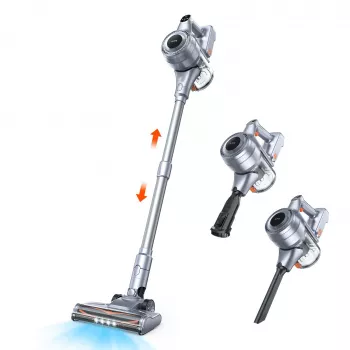
To keep the surrounding area tidy after cooking, a compact cleanup tool can help—especially in RVs or dorm-style kitchens. The Powerful Cordless Handheld Vacuum Cleaner with LED Light & 40-Min Runtime is a convenient option for quick crumbs and dry debris around a prep cart or countertop station.
Who This Cooktop Fits: Quick Buying Checklist
FAQ
What cookware works with an induction cooktop?
Cookware needs a magnetic base—cast iron, carbon steel, and many stainless-steel pans work well. A simple magnet test helps: if a magnet sticks firmly to the bottom, the pan is typically compatible; plain aluminum and copper usually won’t work unless they’re induction-ready.
Does a portable induction cooktop need a special outlet?
Most models are designed for standard household outlets, but an 1800W unit draws significant power. A dedicated outlet is recommended when possible, and it’s best to avoid power strips and follow the manufacturer’s electrical guidance.
How do LED touch controls and a glass top affect cleaning?
Touch controls and a smooth glass surface usually wipe clean faster than textured knobs and coil elements. Let the cooktop cool first, use non-abrasive cleaners, and lift pans instead of sliding them to help prevent scratches.












Leave a comment