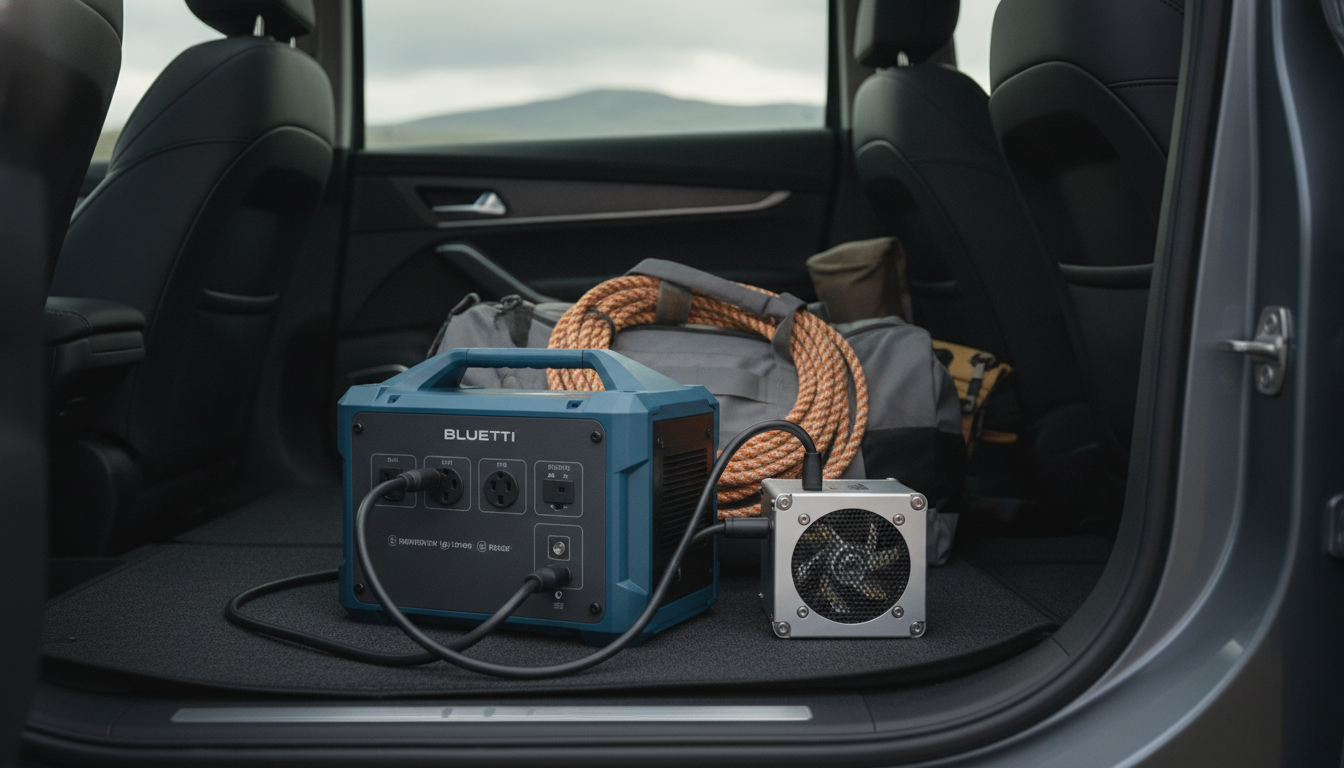
A power station alternator is the part of a generator setup that turns mechanical motion into usable electrical power. When an engine (gas, diesel, or another prime mover) spins the alternator shaft, it creates a rotating magnetic field. That moving magnetic field induces an electrical current in stationary windings through electromagnetic induction—essentially converting “spin” into electricity.
Inside the alternator, a rotor (the rotating component) is magnetized, either with permanent magnets or an energized field coil. As it spins, it passes by the stator windings (the stationary coils), generating alternating current (AC). Many alternators then route that AC through a rectifier to convert it to direct current (DC), which can charge a battery. In inverter-generator designs, the DC is then converted back into clean, stable AC via an inverter, helping keep voltage and frequency consistent even when the engine speed varies.
Regulation is a big part of how an alternator “works” in real life. A voltage regulator adjusts the strength of the rotor’s magnetic field so output stays near the target voltage under different loads. When you plug in more devices, the system increases field strength (and the engine supplies more torque) to maintain output. When the load drops, it reduces excitation to avoid overvoltage.
It’s worth separating this from a modern battery-based “portable power station.” Those units typically don’t have an alternator at all—they store energy in a battery and use electronics (like a charge controller and inverter) to deliver AC and DC outputs. If you’re comparing these options for travel or emergency backup, this guide on a handsfree solar backpack power station explains how a compact battery system can be charged and used on the go: https://idyllie.com/guide-268-8wh-lifepo4-handsfree-solar-backpack-power-station/.
An alternator generator produces electricity in real time from an engine’s motion, usually delivering AC output and sometimes charging a battery. A portable power station stores energy in a battery and supplies power through built-in converters and an inverter, with no engine required.





Leave a comment
You must be logged in to post a comment.